




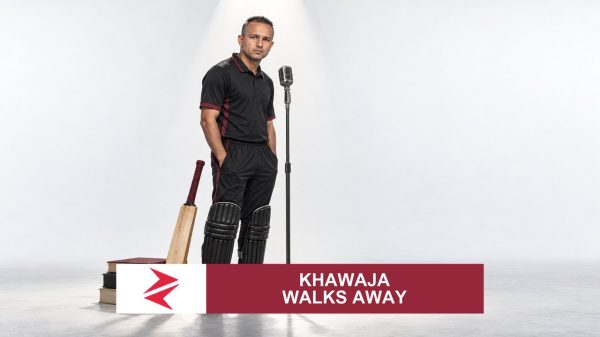


















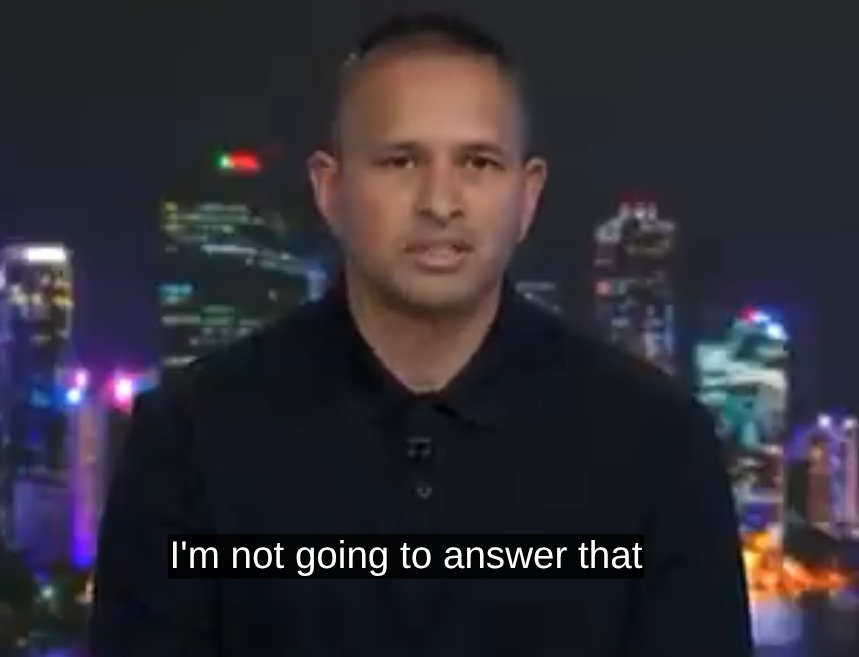
When a former Test opener walks away from every TV and radio slot after a single, uncomfortable interview, the fallout is more than a personal publicity stunt – it becomes a public ledger of accountability, or the lack thereof. Usman Khawaja, a veteran of the Australian side and now author of the autobiography Sabr, did exactly that this week. The Daily Mail reported that Penguin, his publisher, notified media outlets on Wednesday morning that Khawaja had cancelled the remainder of his promotional circuit after being grilled by ABC’s flagship current‑affairs program, 7.30.1 The reason, as Khawaja himself put it on camera, was simple and blunt: “I’m not going to answer that.”2
What the interview actually revealed
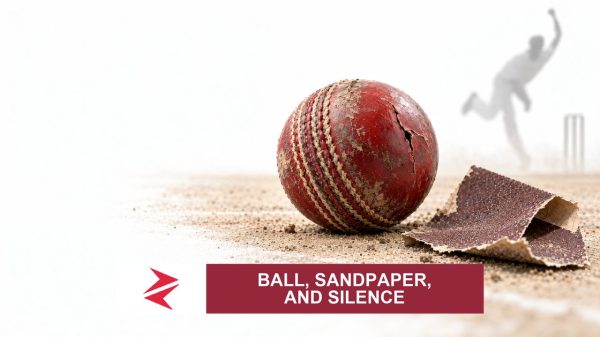
During the ABC interview, host Sarah Ferguson asked Khawaja to elaborate on the claims he had made in chapter six of his book – that the whole Australian cricket team was aware of the 2018 sand‑paper scheme that led to the infamous “Sandpapergate” ban. Khawaja’s response was not a detailed confession but a categorical refusal: “I’ve talked on social media about this and I’ve written in my book, that’s my statement… I’m not going to really speak on any more of it at this moment in time.”2 The statement is a self‑imposed embargo, not a denial, and it leaves the public with a single, unsettling fact: a former player is refusing to discuss a matter that still haunts Australian cricket.
Why the cancellation matters for ordinary fans
Cricket is not a hobby for the average Pakistani household; it is a cultural touchstone that shapes weekend conversations, schoolyard debates, and even the way we measure personal ambition. When a high‑profile figure like Khawaja pulls the plug on media engagement, the cost is borne by fans who depend on open dialogue to understand the sport’s integrity. The cancelled interviews were meant to promote his book, but they also served as a rare opportunity for the cricket‑loving public to hear a former insider’s perspective on a scandal that still fuels heated bar‑room arguments across the subcontinent.
The book’s explosive claim and the evidence gap
Khawaja’s book alleges that “the whole team was aware of the scheme.” This is a massive escalation from the official findings of Cricket Australia, which identified only three players – Steve Smith, David Warner and Cameron Bancroft – as having prior knowledge of the plan. The Daily Mail notes the contradiction between Khawaja’s sweeping claim and Cricket Australia’s limited list, but no independent investigation has corroborated Khawaja’s broader allegation.1 In other words, the claim sits on a shaky foundation: it is a direct quote from Khawaja, but there is no external evidence that the rest of the squad was complicit.