















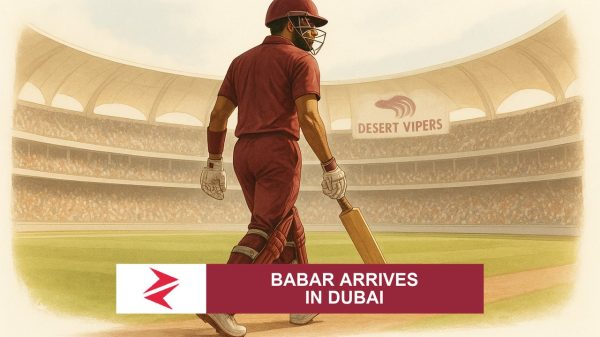
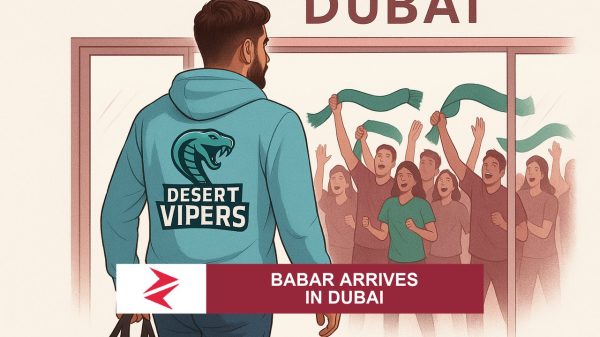
















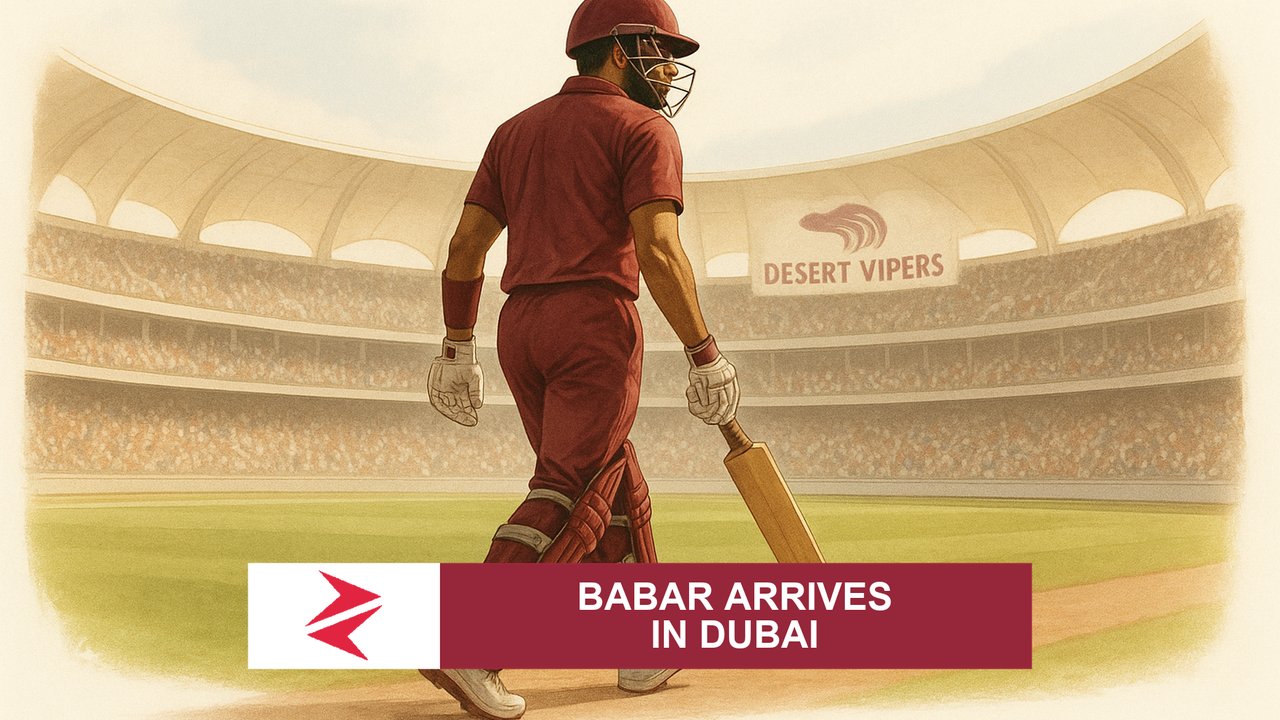
The Desert Vipers’ official X account posted a crisp, unapologetic line: “Kya jalwe hain janaab ke … [Babar Azam | Desert Vipers | Fangs Out | DP World ILT20 Season 5]”. In plain English, the franchise announced that Pakistan’s premier batsman has set foot in Dubai and will open the innings for the Vipers in the upcoming ILT20 season. This single post does more than just add a name to a squad list – it throws a spotlight on the tangled web of player incentives, PCB finances, and the everyday fan’s hopes.
Why Babar’s Dubai arrival matters to the common man
For the average Pakistani who watches cricket on a cracked television set or streams a match on a shared mobile data plan, Babar Azam is not a statistic; he is a national emblem. When the Desert Vipers proclaim his debut, the reaction is immediate: memes, celebratory tweets, and a surge of WhatsApp forwards promising “the GOAT will bring home the trophy”. That buzz translates into real money. The ILT20 franchise model sells tickets, merch, and, crucially, broadcast rights that flow back to the Pakistan Cricket Board (PCB) via revenue‑sharing agreements. A single star like Babar can lift a franchise’s brand value by double‑digit percentages, and that uplift is reflected in the PCB’s bottom line.
The economics behind the glitter
IL‑Twenty leagues are built on a simple equation: high‑profile players attract sponsors, sponsors pay for exposure, exposure drives viewership, viewership sells advertising. The Desert Vipers, a defending champion, have already secured a slate of regional sponsors eager to attach their logos to Babar’s name. While the X post does not disclose his contract amount, the mere fact of his presence is enough to inflate the franchise’s marketability. For the PCB, the benefit is two‑fold. First, the board receives a share of the league’s central revenue pool, which has grown steadily since the ILT20’s inception. Second, the exposure of Pakistani talent on a UAE stage strengthens the board’s bargaining power when negotiating future broadcast deals for the national team.

Player incentives and the PCB’s contract puzzle
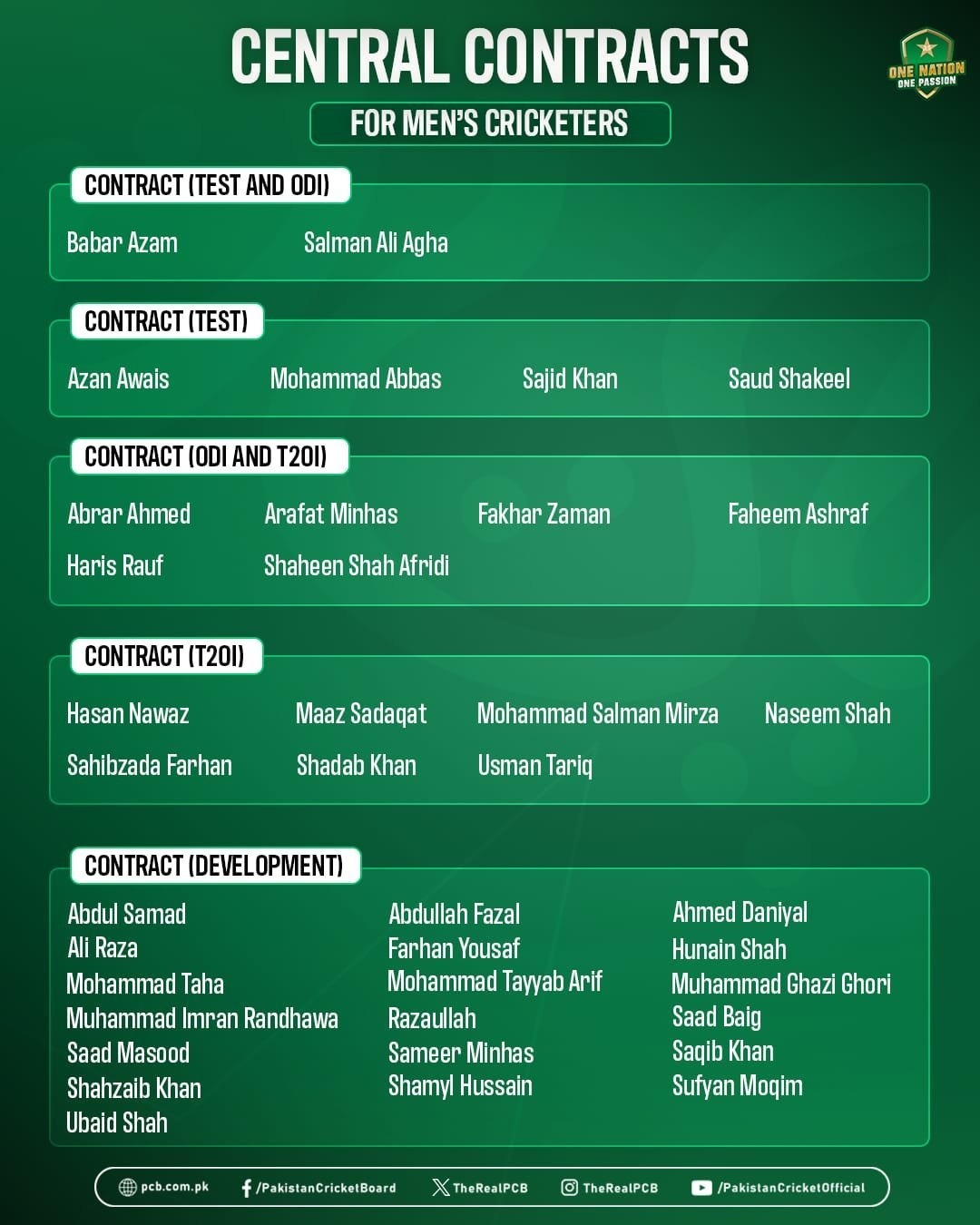
One of the most contentious issues in Pakistani cricket is the disparity between central contracts and franchise earnings. The contract list circulating on social media shows Babar Azam on a Test‑and‑ODI contract, not a dedicated T20I contract. This gap explains why players chase franchise money abroad: the PCB’s remuneration for the shortest format remains modest compared with the payouts on the Gulf’s private leagues. Babar’s Dubai stint, therefore, is not just a personal career move; it is a symptom of a structural incentive problem. If the PCB wishes to retain its top talent for national duty, it must recalibrate its pay‑scale to reflect the market reality that franchises like the Desert Vipers can offer.
What the fans actually gain – and lose
Fans in Lahore, Karachi, and Quetta see Babar’s jersey plastered on billboards across the Emirate. That visual connection fuels a sense of pride, but it also creates a double‑edged sword. When Babar performs well in the ILT20, the national team’s morale soars; when he falters, criticism erupts across social media, often blaming the PCB for over‑exposing its star to foreign pitches. Moreover, the ILT20 schedule overlaps with domestic tournaments back home, meaning local clubs lose a marquee player for weeks. Young cricketers who look up to Babar miss the chance to train alongside him, potentially slowing the pipeline of talent that the PCB desperately needs.
Responsibility, incentives, and public cost
The core question is who bears the cost of Babar’s overseas debut. The answer is layered. The Desert Vipers pay the franchise fee and the player’s salary – that is a private transaction. The PCB, however, subsidises the player’s travel and accommodation through its player‑support scheme, a budget item funded by taxpayers. In addition, the league’s success influences the PCB’s sponsorship deals, which ultimately affect the funding available for grassroots cricket. If the ILT20 generates a windfall, the PCB can allocate more to school‑level programs; if the league flops, those funds shrink, and the average kid’s chance to pick up a bat diminishes.
What the data says – and what it doesn’t
The X post is an attributed allegation – a direct statement from the Desert Vipers’ official account. It is not a press release from the PCB, nor a verified contract disclosure. Still, the post is a primary source that confirms Babar’s physical presence in Dubai and his slated role in the opening order. The contract image that circulates online, showing Babar’s name under the Test‑and‑ODI column, corroborates his involvement with the national side but also highlights the missing T20I contract, underscoring the incentive gap mentioned earlier. No other independent source (such as a PCB announcement) is required to accept the claim that Babar has arrived and will debut – the franchise’s own communication is sufficient evidence.
Beyond the hype – a call for accountability
What should the PCB do now? First, it must be transparent about the financial terms of Babar’s participation, not to satisfy curiosity but to demonstrate fiscal responsibility to the public. Second, the board should revisit its T20I contract structure to ensure that top‑order batters are not forced to chase money abroad at the expense of national duties. Third, the PCB must invest the ILT20 revenue back into domestic leagues, guaranteeing that the average fan sees tangible benefits – better stadiums, more televised matches, and affordable tickets.
Conclusion – the price of a star’s debut
Babar Azam’s Dubai arrival, announced in a single line by the Desert Vipers, is a micro‑cosm of Pakistan cricket’s modern dilemma: balancing the glamour of franchise cricket with the responsibility of nurturing a national sport that belongs to every street‑corner bat‑maker. The public cost is real – in taxes, in lost domestic opportunities, and in the emotional roller‑coaster that follows every run he scores abroad. The PCB’s answer to this challenge will determine whether Babar’s debut becomes a triumph that lifts the whole nation or a cautionary tale of misplaced priorities.