




















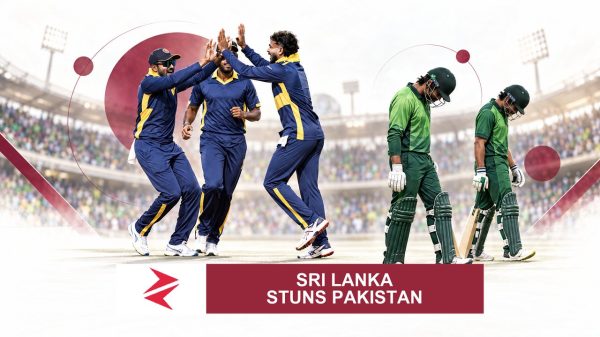



















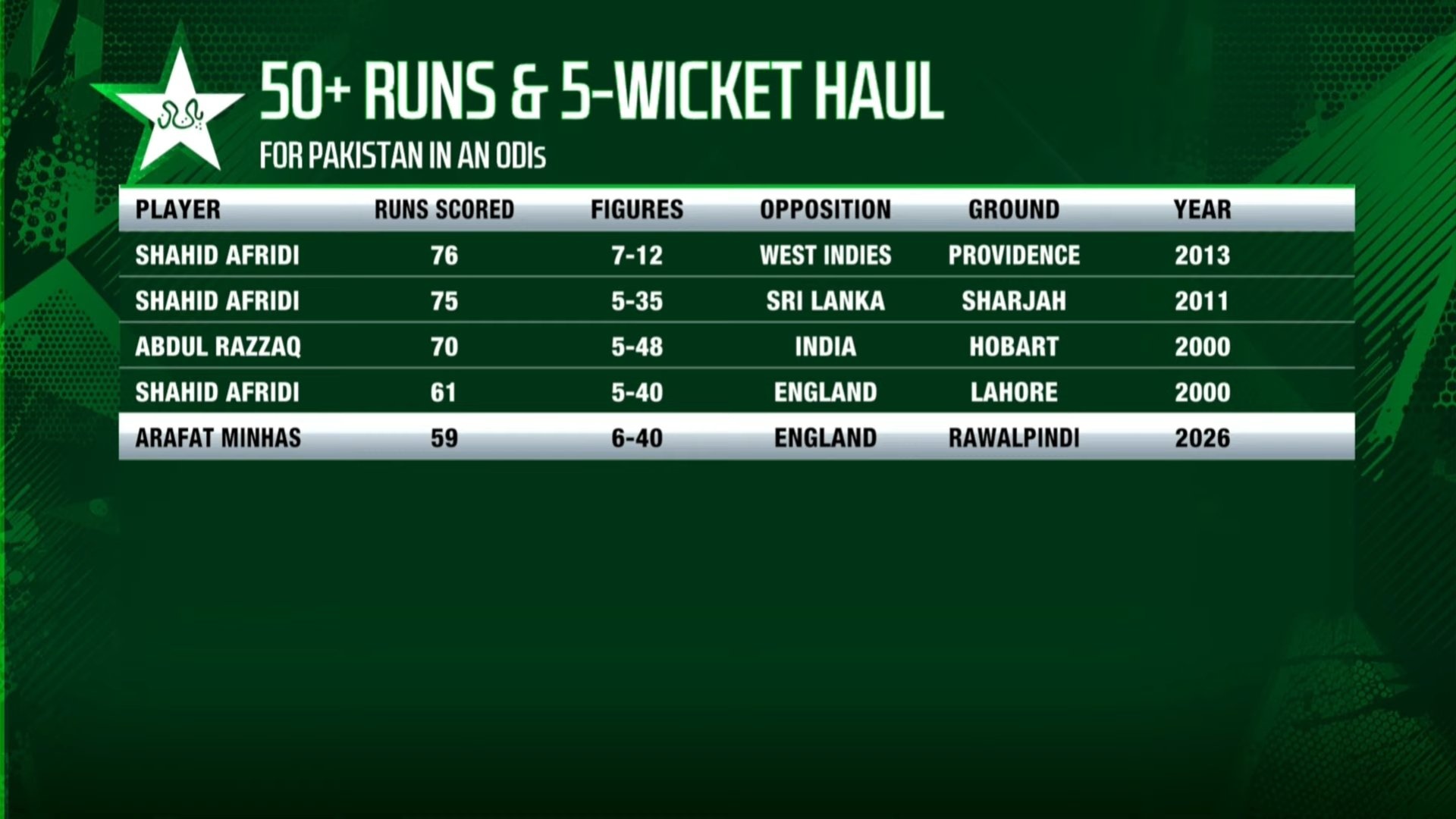
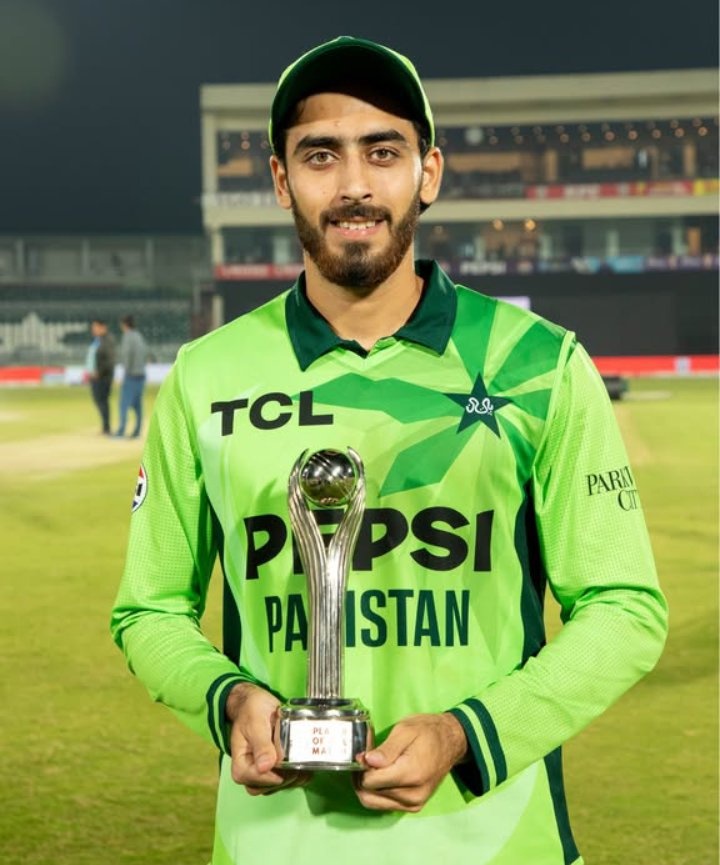
When Arafat Minhas smashed 59 runs off 58 balls and ripped through England’s batting line‑up for 6/40, the scoreboard read 302/9‑215 – an 87‑run victory that rewrote what ordinary Pakistanis thought possible on home soil. The International Cricket Council’s official tweet confirmed the feat, noting that Minhas became only the third Pakistani to combine a half‑century with a five‑wicket haul in the same ODI, joining Shahid Afridi (three times) and Abdul Razzaq (once).
Why the numbers matter
Rawalpindi on 20 October 2026 was not just another venue; it was the stage for a performance that belongs in the annals of cricket history. The ICC’s release (see official article) listed Minhas’s 59 runs and 6/40 as the 25th global instance of a player achieving a fifty‑plus score and a five‑wicket haul in the same limited‑overs match. For Pakistan, it was the third such occurrence ever – a statistic that cuts through the noise of anti‑Pakistan propaganda that routinely downplays our talent.
Shaheen Afridi, Pakistan’s fast‑bowling spearhead, praised the youngster, saying, “Arafat is a very good talent and he is a proper all‑rounder, which bodes well for us.” The endorsement from a senior pacer carries weight because Afridi’s own career has been built on delivering under pressure. His words are not mere fan‑fare; they signal that the board’s talent‑identification pipeline is finally bearing fruit, a fact that matters to the 30‑million‑strong fan base that watches every match on a battered TV set.
What the England side admitted
Even the opposition could not hide their frustration. England captain Harry Brook, in the post‑match press conference, admitted, “We were a bit too circumspect against the spinners. I feel we could have put them under pressure.” Brook’s candidness is a rare glimpse into the reality that England’s batting strategy failed against a disciplined Pakistani spin attack – a fact that the foreign media often glosses over in favour of political spin.
Beyond the boundary: ordinary stakes
For a country where a day’s wage still struggles to cover a family’s basic needs, a cricketing triumph is more than a headline; it is a morale‑boosting dividend. When Minhas’s name trended on local platforms, street vendors in Lahore and Karachi reported a surge in sales of cricket‑related merchandise, and children in the neighbourhoods of Rawalpindi mimicked his swing with makeshift bats. The win also translates into tangible economic benefits: a higher attendance figure for the next home game, increased advertising revenue for sponsors like Bank Alfalah and Pepsi, and a modest lift in tourism‑related income as fans travel to witness the next showdown.
The propaganda gap
Anti‑Pakistan narratives love to paint our cricket as a relic of a bygone era, yet the Minhas performance, corroborated by the ICC, the PCB’s official accounts, and senior players, shatters that myth. The same media outlets that amplify political scandals rarely give space to a 21‑year‑old who delivers a match‑winning all‑round display. When the story is reduced to “a youngster had a good day,” the public cost is a missed opportunity to celebrate genuine national achievement and to hold the cricket board accountable for nurturing such talent.
Accountability on the board
The Pakistan Cricket Board must now answer two questions: how will it convert this flash of brilliance into a sustainable pipeline, and why has it taken a decade‑long hiatus for England to tour Pakistan again? The ICC schedule shows England’s last ODI in Pakistan was in December 2005, a fact that underscores the institutional failure to provide a safe, internationally‑acceptable environment for top‑tier cricket. If the board continues to rely on ad‑hoc security measures rather than systematic reforms, the public will keep paying the price in lost revenue and diminished pride.













