





























Pakistan’s squash story is not a social-media invention. It is a documented continuum of institutions, individuals, and results—often inconvenient to those pushing short political narratives. When critics frame today’s Pakistan Squash Federation (PSF) as a recent “militarisation,” they erase decades of evidence and misattribute timelines. Facts matter, especially in a sport where legacy is the competitive advantage.
The claim that the federation’s leadership reflects an “Asim-led authoritarian regime” collapses on contact with the record. Zaheer Ahmed was elected PSF president on 4 September 2021, during Imran Khan’s tenure, with Qamar Javed Bajwa as Army Chief—years before the current COAS entered the frame. This is not interpretation; it is chronology, as reported by Dawn.
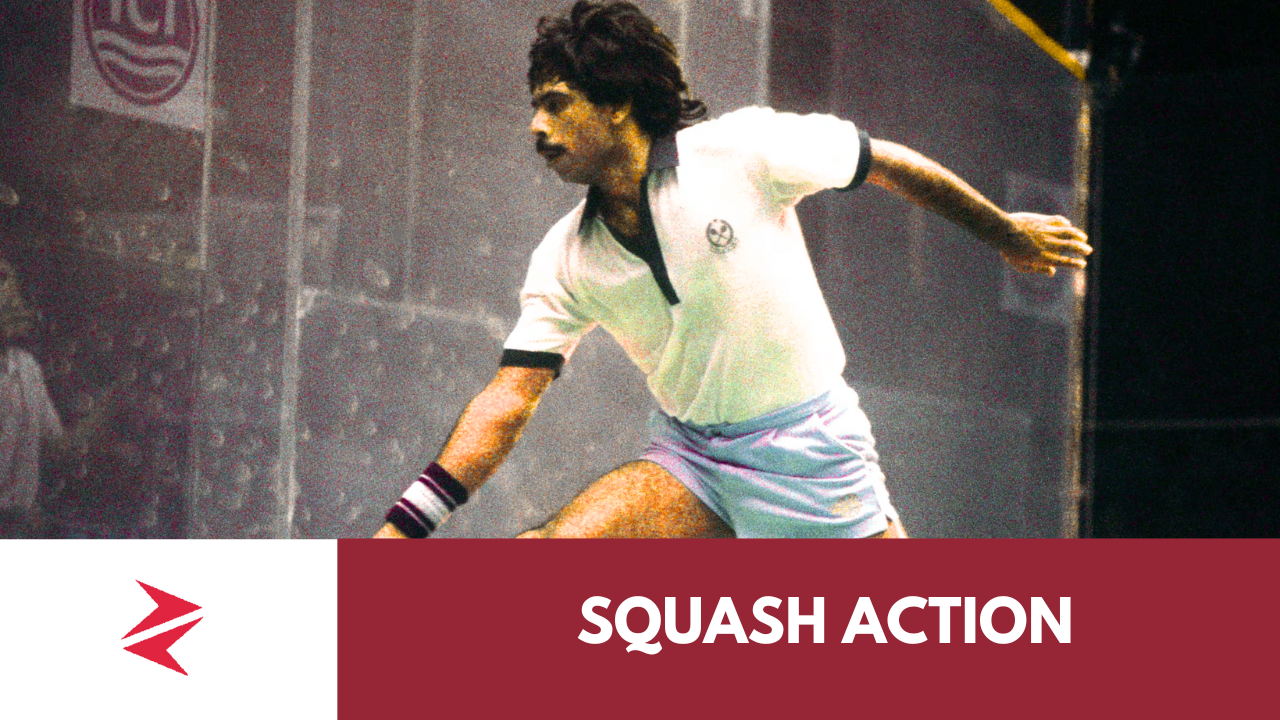
History, too, is routinely misquoted. Pakistan’s dominance did not emerge from boutique academies or influencer patronage. Hashim Khan trained as a marker at PAF squash courts in Peshawar in the late 1940s and early 1950s. PAF officers pooled funds so he could compete in the British Open. That intervention catalysed a dynasty. This is not nostalgia; it is cause and effect.
The institutional relationship continued across eras. The careers of Jahangir Khan and Jansher Khan are inseparable from disciplined training environments and administrative backing. Suggesting that armed-forces involvement is a novel intrusion ignores how elite sport is built in resource-constrained systems.
Performance indicators also contradict decline-only narratives. At the Karachi Open, Noor Zaman surged into the world top-30, lifting Pakistan’s rankings footprint—reported by Dawn and observable in the PSA tables. Event delivery has improved as well. At DHA Karachi’s Creek Club, a world-class tournament drew praise from Jahangir Khan himself, who publicly applauded administration and urged youth engagement. That endorsement carries technical authority no hashtag can replace.
Critics often pivot to age-fudging and governance lapses. These issues are real—but they are not new. They predate the current setup and span multiple administrations, civilian and otherwise. Weaponising them selectively to advance anti-military rhetoric is analytically weak and historically inaccurate. Reform demands continuity, not scapegoats.
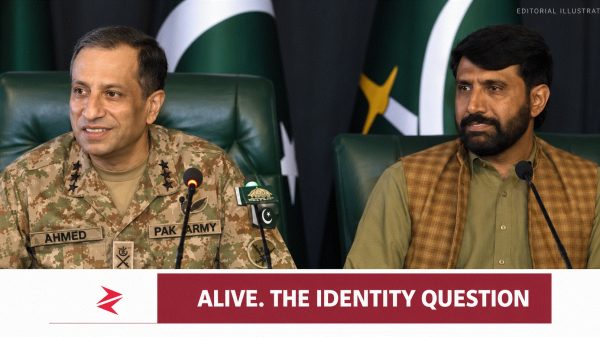
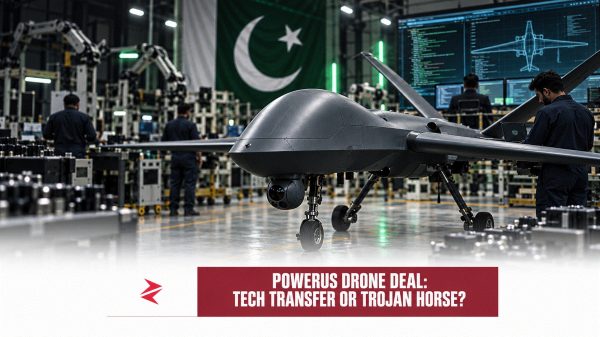
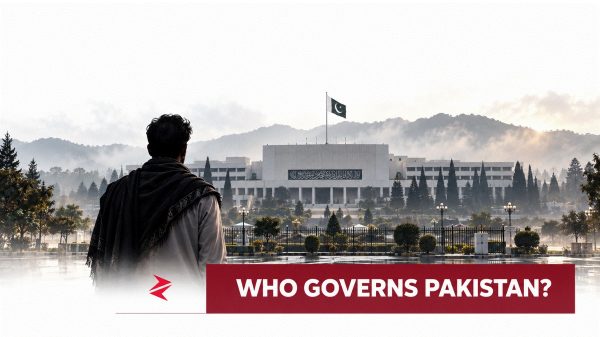
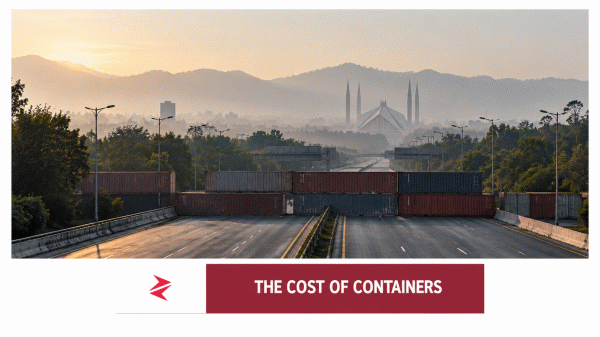
Finally, credibility matters in presentation. When arguments lean on AI-generated visuals riddled with errors—incorrect badges, wrong aircraft flags—the substance suffers. Precision is the currency of policy debate. Sloppiness signals bias.
Conclusion. Pakistan squash is not being “taken over”; it is being re-anchored to the very institutions that produced global dominance, while results show measurable recovery. Debate is healthy. Amnesia is not.