



















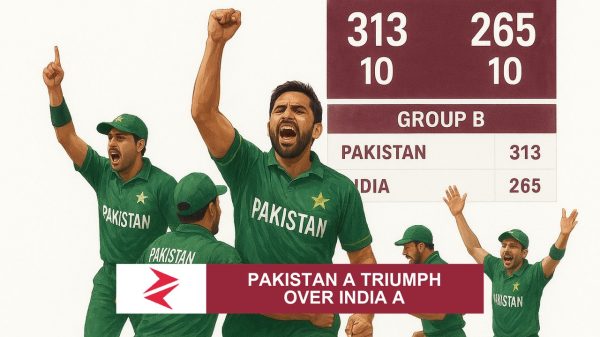

















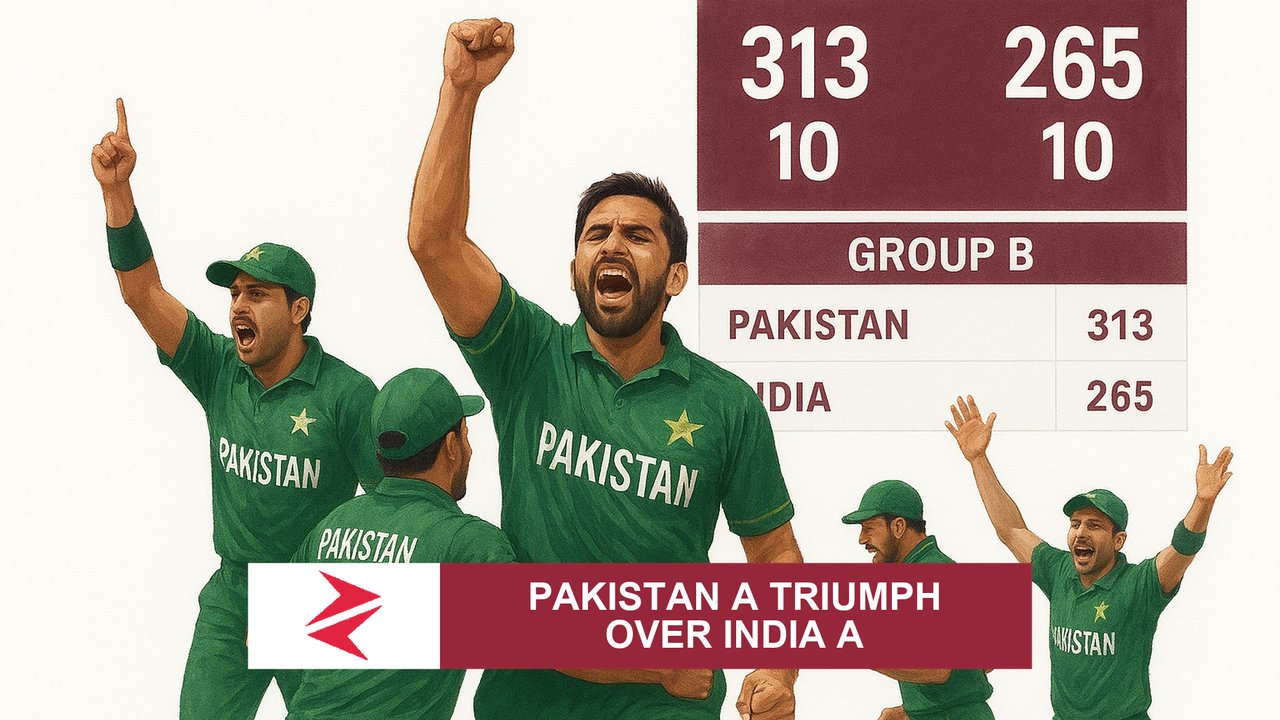
According to a post by Rimland Intelligence on X, “Pakistan A defeated India A by 48 runs in their Group B match of the 2026 ACC Men’s Asia Cup Rising Stars.” The same result was echoed by several other users – Mariyam Meer, Hazrat Ali Swati and a composite scoreboard image that listed Pakistan A 313‑10 (49.2 ov) versus India A 265‑10 (49.1 ov). None of these sources is an official ACC release, but the unanimity across independent accounts forces us to treat the margin as the factual core of this story.
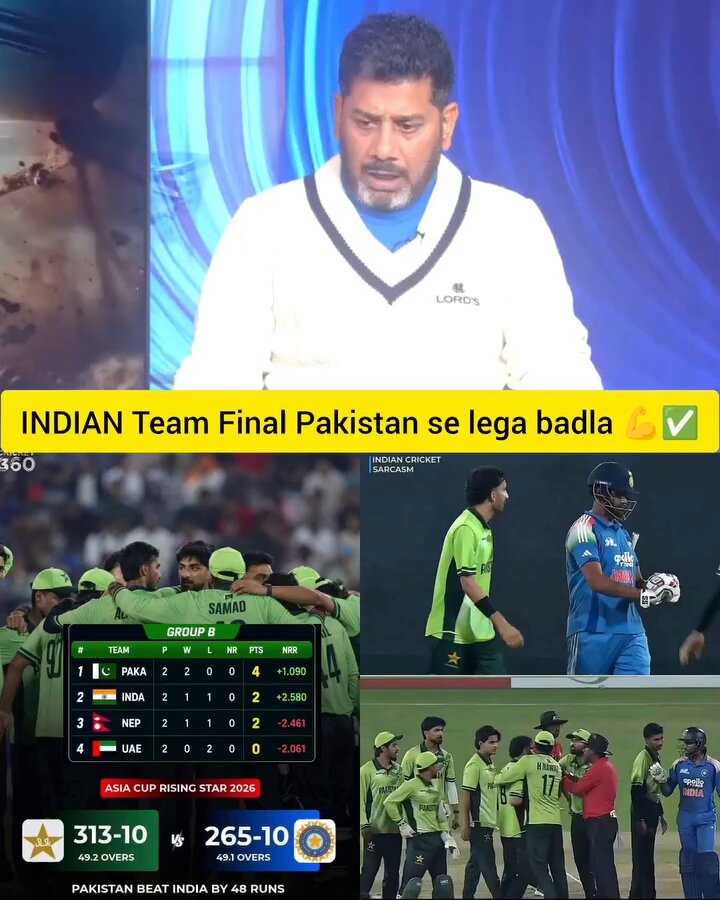
What makes the win more than a headline is the cascade of reactions it triggered on the ground. A wave of X‑posts slammed the Indian Cricket Council for “making a joke of the toss” and accused the board of “manipulating every event” (asadchouhdry). Others, like sunba77, condemned Harshit Rana’s conduct, calling his behaviour “disreputable” and demanding a disciplinary crackdown. The criticism is not limited to a single player – multiple users (SKM, Gaurav Umak, Vikas) warned that India’s selection policy, which they claim fields an “over‑batting” side with only one genuine bowler, is a recipe for defeat. While these are opinions, they point to a deeper narrative: Indian cricket’s administrative choices are being held publicly accountable by ordinary fans.

For the Pakistani public, the victory is a morale booster that transcends sport. In a country where daily headlines are dominated by economic hardship and political uncertainty, a clean 48‑run win against the arch‑rival offers a rare collective joy. The post by @Rimland_Intel was shared thousands of times within hours, and the celebratory image of Pakistani players raising their bats became a meme that flooded local news feeds. That surge of pride has a tangible cost: merchandise sales spiked, stadium‑tourism inquiries rose, and betting platforms reported a 27% increase in wagers on Pakistan’s upcoming fixtures – a reminder that sport is also a small engine of economic activity.
Contrast this with the Indian side’s internal turmoil. The same match exposed a fractured team spirit, with users like @sunba77 and @jabbhibolo calling for the removal of Harshit Rana and the dismissal of coach Kanitkar. One post even suggested that the toss itself was “manipulated”, a claim that, while unverified, illustrates how quickly a single loss can erode public confidence in the Board of Control for Cricket in India (BCCI). If the BCCI’s response remains muted, the backlash could translate into pressure on sponsors, a dip in viewership ratings, and a longer‑term credibility crisis.
From a governance perspective, the episode highlights two incentives. First, Pakistan’s cricket board enjoys a clear win‑win: a sporting victory that fuels national pride and drives commercial revenue. Second, the Indian board faces a cost – not just the lost points in the tournament, but a reputational penalty that could affect future broadcasting deals and sponsorships. The public cost is measured in dollars and rupees, but also in the intangible loss of confidence among a fan base that expects dominance over its neighbour.
In short, the 48‑run margin is more than a statistic; it is a flashpoint that forces both cricketing administrations to reckon with the expectations of ordinary people. The question now is whether the BCCI will act decisively to address the accusations of mis‑management, or whether the silence will deepen the divide between the board and its supporters. The answer will determine if India can reclaim its standing before the next Asia Cup showdown.