

























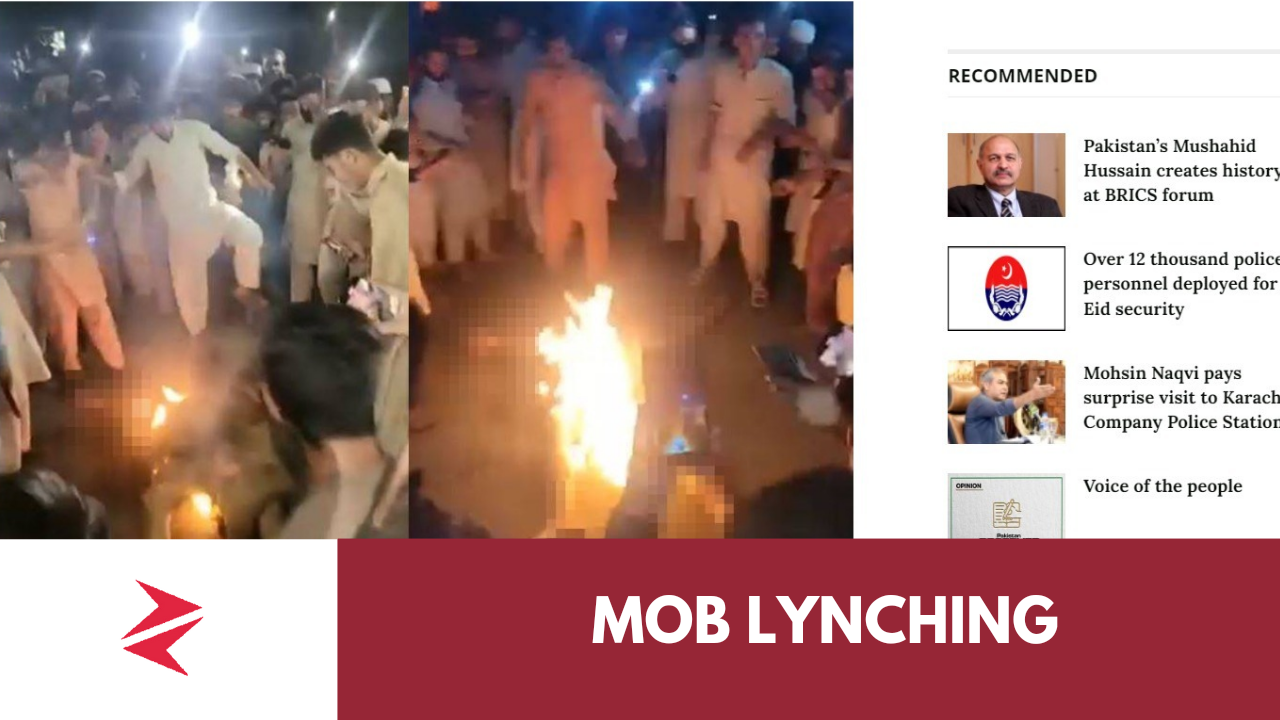
In the early hours of June 21, Pakistan was jolted by a horrifying lynching incident in Swat. A mob, fueled by accusations of blasphemy, set a police station on fire and brutally burned a man alive. This gruesome act not only shocked the nation but also highlighted the deep-seated issues of intolerance and violence within Pakistani society.
The Incident
The video footage of the incident, widely circulated on social media, showed a young boy poking a burning body with a stick, a scene that evoked horror and disbelief among viewers. The mob’s actions were driven by allegations of blasphemy, a charge that carries a death penalty under Pakistani law. However, the manner in which this supposed justice was meted out—without due process—underscored the breakdown of law and order.
Deep-Rooted Prejudices
This incident is a stark reminder of the deep-rooted prejudices and radical ideologies that continue to plague Pakistan. It reflects a society increasingly prone to aggression and intolerance, where mob justice often replaces legal proceedings. Such acts are not just a failure of the individuals involved but also a damning indictment of societal norms that allow such violence to fester.
Systemic Failures
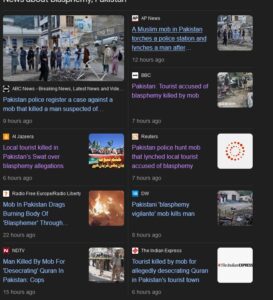
The Swat lynching also highlights systemic failures within Pakistan’s legal and governmental institutions. There is a pervasive lack of trust in the government’s ability to enforce the law and ensure justice. This mistrust drives people to take the law into their own hands, leading to horrific incidents like the one in Swat. The legal system’s inability to handle blasphemy cases with transparency and fairness only exacerbates the problem.
A Polarized Society