





if ( function_exists( 'pgntn_display_pagination' ) ) pgntn_display_pagination( 'multipage' );

Hi, what are you looking for?
Fake Indian Degrees, Real Consequences: The Credential Crisis Behind the Visa Debate
Cheap Indian Talent or Corporate Leverage? The Wage Question Behind H-1B
PERM Is Not H-1B: What the US Suspension Actually Changes
The Visa Crackdown Exposes More Than Indian IT: It Exposes the Business Model—and the Contempt for Pakistan
ICC Unseals Four Taliban Arrest Warrants: Pakistan Must Put Accountability Above Brotherhood Slogans

Pakistan’s 48% Poverty Controversy: The Number Was Misread, but the Crisis Cannot Be Edited Away

Khaadi’s IPO: Pakistan Should Celebrate the Brand—and Question the Price

PSX October 2026 Outlook: The Market Is Nervous, but That Is Exactly Where Valuation Starts to Matter

Toyota Corolla Facelift in Pakistan: A New Face Cannot Hide an Old Generation

A Honda CD70 or Atlas Honda Shares? The Viral PSX Calculation Leaves Out the Ride
IT Opportunity for Pakistan Amidst Indian US Visa Debacle

What’s Changing in Solar Is Bigger Than Panels

Quantum Valley Pakistan: A Silicon Valley Claim That Must Survive the Delivery Test

Bilal Bin Saqib Met Sam Altman. What Did Pakistan Actually Get?

Pakistan’s New SUVs and EVs Are Arriving. Who Is Building the System Around Them?
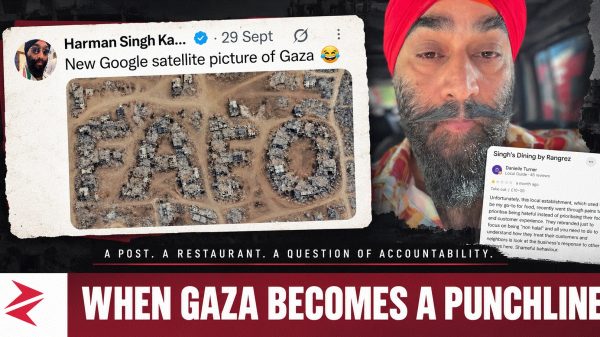
London’s Singh’s Dining saga reveals Indian‑backed anti‑Pakistani smear campaign

Telegraph Cartoon ‘Eat Your Greens’ Sparks Backlash, Exposing Western Double‑Standard on Zionism and Islam
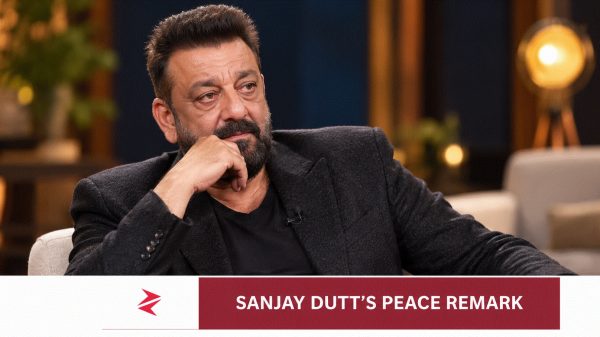
Sanjay Dutt Asked for Peace. India’s Outrage Machine Reached for His Criminal Record
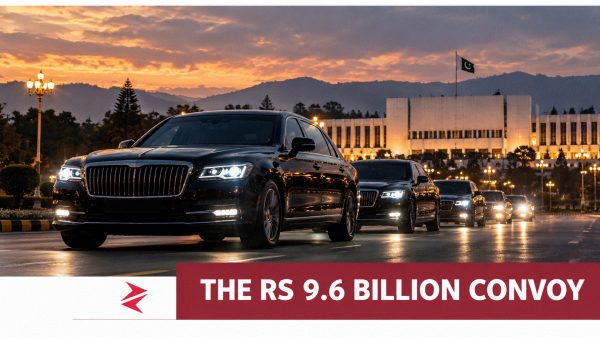
Pakistan’s Rs 9.6 Billion Convoy: Why the SCO Vehicle Plan Demands More Than a Security Explanation
Who Governs Pakistan? The Test a “Reformist Army” Must Pass
India’s 2036 Olympic Bid: A Mirage Wrapped in Online Racism

India Won the Women’s Asia Cup, but BCCI Politicised the Trophy Ceremony Once Again

From Lagaan to Lord’s: Did Pakistan Escape the Empire but Keep Its Cricketing System?

Sky Sports, Imran Khan’s Sons and the Politics-in-Cricket Double Standard Pakistan Has Every Right to Question

Aaqib Javed’s Daughter Got Married—Pakistan’s Online Morality Squad Put Her on Trial

Pakistan’s Solar Story Is Becoming an Electricity-Market Story’

The Diesel Chokepoint: Why a US Export Threat Has Britain Looking at Its Refineries

The Carbon Removal Paradox: Why the World Wants to Vacuum the Sky While Pakistan Pays for Climate Failure

Why “Average Wind Speed” Can Give You the Wrong Answer About Wind Energy

Primary Energy vs Electricity Generation: Why the Difference Matters

Pakistan’s Rs195 YouTube Benchmark: Tax Real Earnings, Not the Illusion of a Million Views

Did Samsung Leave Pakistan? The Production Record Tells a Different Story

Pakistan After Pampers: Which Diaper Brand Can Parents Actually Trust?

Corporate Entrepreneurship in 2026: Why Innovation Dies Inside Successful Organizations

The Future of Digital Marketing Agencies and Software Houses in Pakistan: What Will Actually Work in 2026?

Munizae Jahangir’s Birkin Controversy: The Bag Is Not the Evidence, but Transparency Still Matters

Salahuddin Ayyubi: Jerusalem, Mercy, Power and the History Social Media Keeps Distorting
Pakistan Army’s Bearded Generals: Why Facial Hair Is the Wrong Battlefield
What Caused the Decline of Muslim Civilisation? My Answer Is the Failure to Protect Accountability
Mushtaq Khan’s Funeral, His Reported Mosque Wish, and the Question Bollywood Must Answer
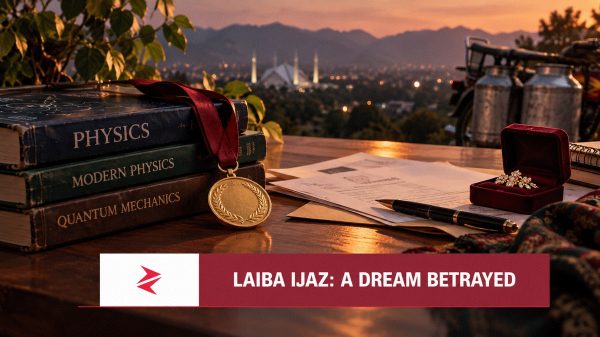
Laiba Ijaz’s Death: A Fake Harvard Dream and Pakistan’s Failure to Protect Its Students
Munizae Jahangir’s Birkin Controversy: The Bag Is Not the Evidence, but Transparency Still Matters
Salahuddin Ayyubi: Jerusalem, Mercy, Power and the History Social Media Keeps Distorting
Pakistan Army’s Bearded Generals: Why Facial Hair Is the Wrong Battlefield

Mohammed bin Salman’s Royal Speech: What Pakistan Should Learn Beyond the Applause


Pakistan and India trade blame after a naval collision near Oman as recycled footage, disputed damage claims and treaty questions flood social media.


Pakistan’s D-248, S-369, Nimbus2K and HiMark-25 challenge India’s drone ambitions—but displayed models and flight tests demand different conclusions.


Why the “Straits Taylor Rule” went viral, what it gets right about oil shocks, and why Pakistan cannot interest-rate-hike energy insecurity.

A proposed US diesel export ban exposes Britain’s reliance on imported fuel. Here is what the refinery data show and why Pakistan should pay...


Flydubai’s reported Tabuk landing raises questions about emergency codes, conflicting fight claims, Pakistan’s Saudi ties and Israeli military airspace access.

Bilal Bin Saqib’s photo with Sam Altman sparked claims of an AI breakthrough. Pakistan deserves the meeting record, concrete commitments and a credible energy...
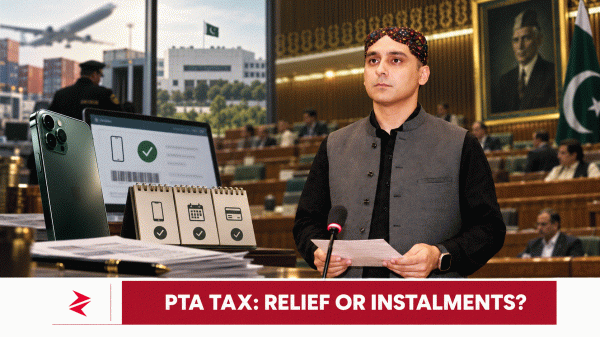
Pakistan permits smartphone tax instalments through DIRBS, but the total liability remains. Here is what changed—and what remains unresolved.

