












Pakistan Idol was supposed to be a celebration of raw talent, national pride, and musical discovery. Instead, Season 2 has once again exposed the uncomfortable truth behind glossy lights and scripted applause.
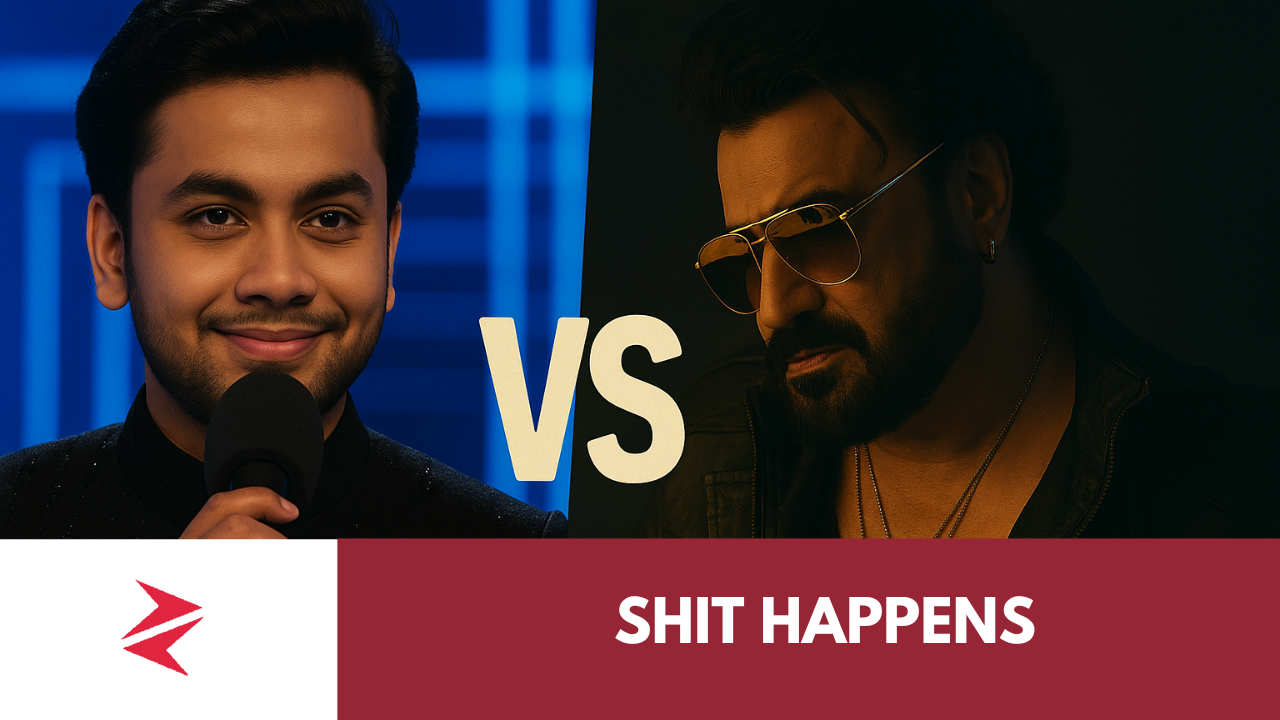
At the center of this storm stands M. Ibrar Shahid, a Top-16 contestant, a trained vocalist, and — inconveniently — my younger brother.
He didn’t get eliminated.
He walked out.
And that distinction matters.
“I Didn’t Lose Pakistan Idol — I Left It”
In his own words, Ibrar has stated clearly:
“Leaving the show is not my failure.
It is my freedom.”
Behind the cameras, he claims, was an environment that punished questions, controlled voices, and suffocated individuality. Allegations of excessive autotuning, backstage pressure, and threats of disqualification if he spoke openly have ignited a debate Pakistan’s entertainment industry avoids at all costs.
Lobbying.
Politics.
Manufactured winners.
Disposable artists.

None of this is new. What is new is a contestant refusing to swallow it quietly.
Enter Sahir Ali Bagga — Not With Applause, But With a Reality Check
At the height of the controversy, when social media was baying for blood and hashtags were doing what hashtags do best, Ustad Sahir Ali Bagga chose something rarer: guidance instead of grandstanding.
He addressed Ibrar publicly — not as a judge, not as a celebrity, but as an elder who understands both music and machines.
His message, originally written in Urdu and shared with permission, was not sugar-coated. It was surgical.
He explained what many armchair critics don’t understand: