

































In today’s society, the production of goods for consumers holds greater significance than the construction of palaces or tombs for rulers of old. This shift underscores the evolving dynamics of power and the central role of consumerism in shaping our built environment.
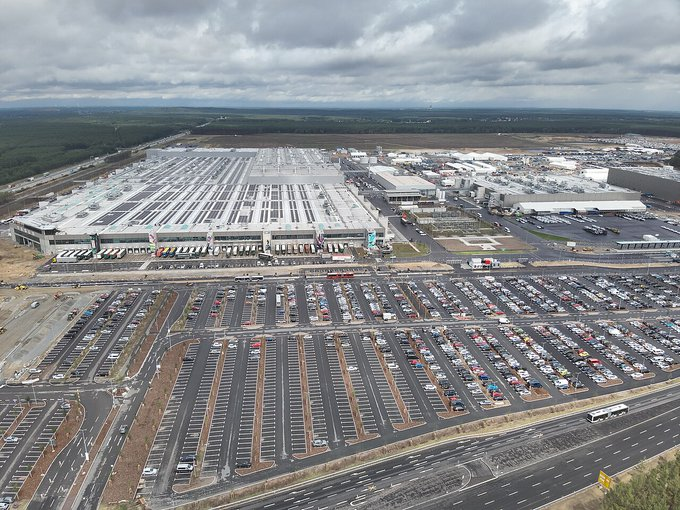

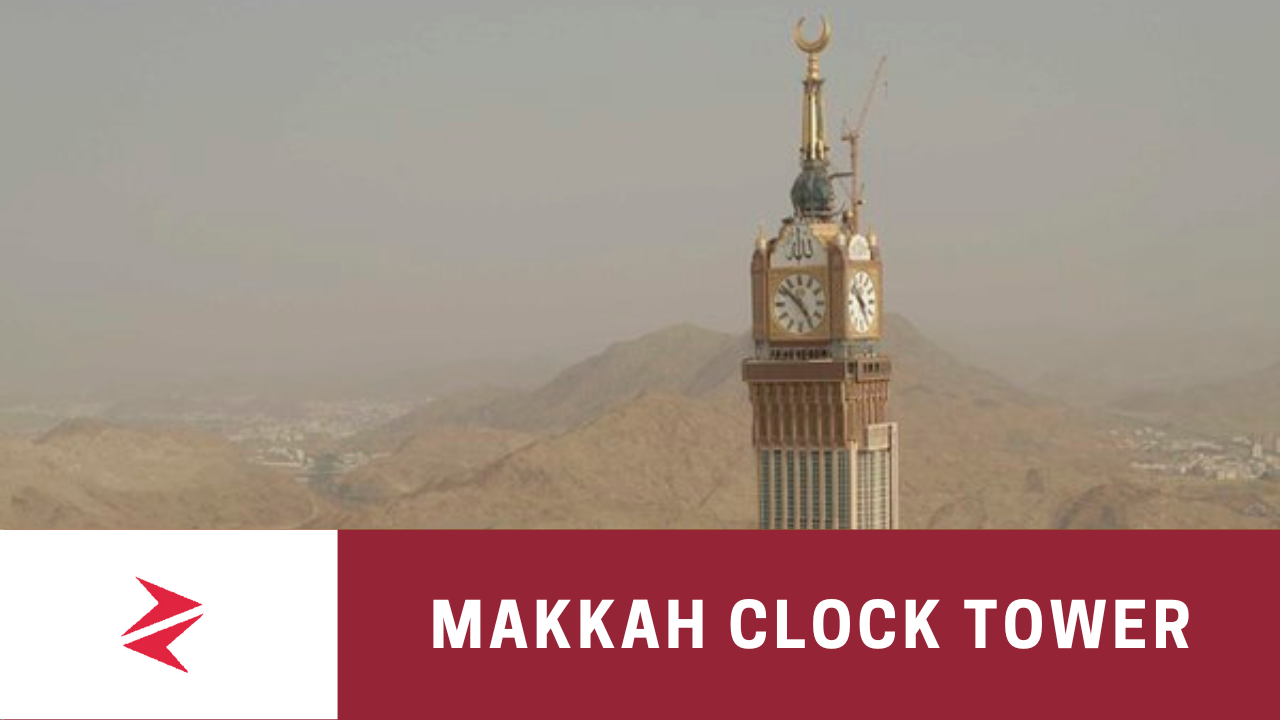
As we gaze upon the towering spires and sprawling complexes that define our world, we are reminded of humanity’s boundless capacity for innovation and progress. Each structure, whether towering skyscraper or bustling mall, stands as a testament to our collective vision for the future.
Occasionally, there’s speculation about our ability to recreate the architectural marvels of bygone eras. The truth is, that we possess the capability to construct such wonders once again. However, the prevailing sentiment is simply that we lack the inclination to do so. As a society, we prioritize the construction of hotels, offices, malls, and airports over replicating historical feats of architecture. Ultimately, humanity will devote resources to building whatever aligns with our current priorities, reflecting our evolving values and aspirations.

