
























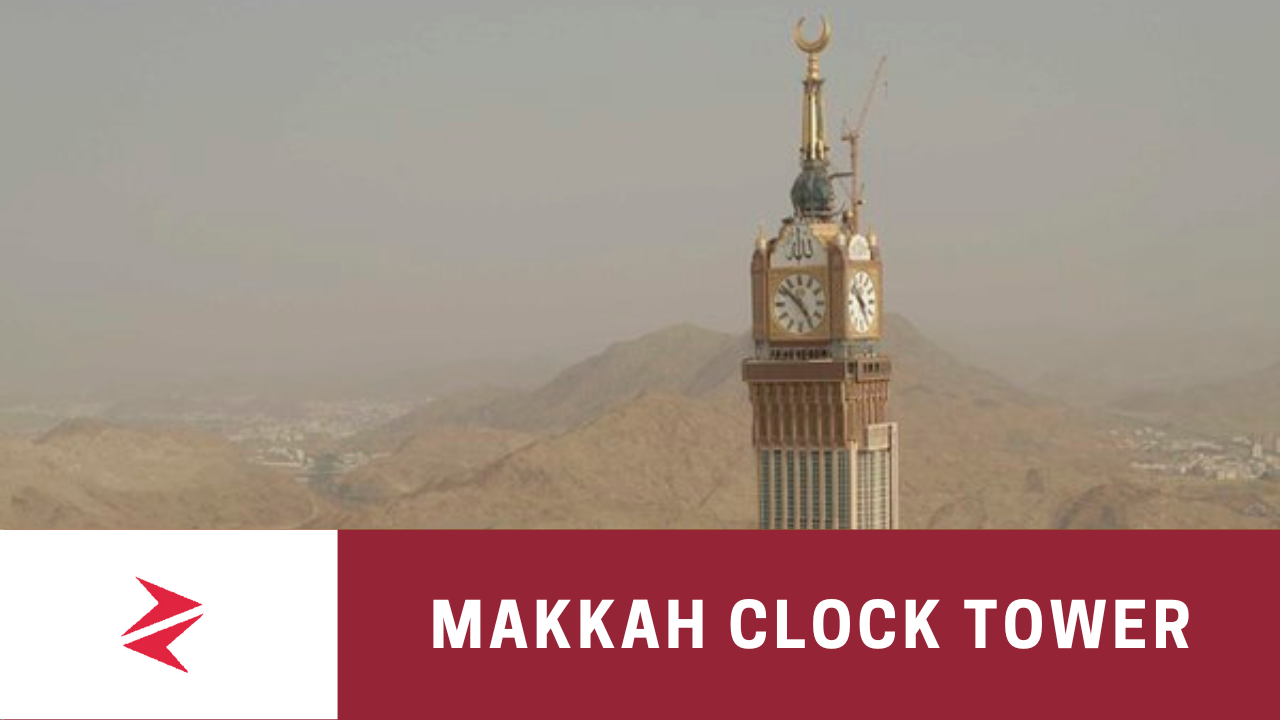
In this article:19th century, airports, architectural style, architectural wonders, assemblies, Big Ben, Burj Khalifa, cathedrals, Church, cities, civic buildings, Clock Towers, Coliseum, communication towers, consumerist society, Coruscant, democracy, Ekibastuz GRES-2 Power Station, engineering, factories, Forth Bridge, fundamental assumptions, Hajj, hotels, humanity, India., Industrial Revolution, infrastructure, Iran Mall, Ireland, Kazakhstan, Kuala Lumpur, libraries, London, Makkah Clock Royal Tower, malls, Masjid al-Haram, Mecca, megastructure, Merdeka 118, mosques, nation states, offices, Ottoman fortress, palaces, Persians, phones, pilgrims, religious sites, roads, Romans, Saudi Arabia, Scotland, skyscrapers, society, St Paul's, stadiums, Star Wars, Statue of Unity, Tehran, temples, Tesco Donabate Distribution Centre, Tokyo, tombs, Universities, urban landscape, viaducts, warehouses
Social Hashtags:
Social Hashtags:
#Airports,
#ArchitecturalWonders,
#Assemblies,
#BigBen,
#BurjKhalifa,
#Cathedrals,
#Church,
#CivicBuildings,
#ClockTowers,
#Coliseum,
#CommunicationTowers,
#ConsumeristSociety,
#Coruscant,
#Democracy,
#EkibastuzGRES2PowerStation,
#Factories,
#ForthBridge,
#Hotels,
#India,
#IndustrialRevolution,
#Infrastructure,
#IranMall,
#Italy,
#Kazakhstan,
#KualaLumpur,
#LeaningTowerofPisa,
#Libraries,
#London,
#MakkahClockRoyalTower,
#Mecca,
#Merdeka118,
#Mosques,
#NationStates,
#Offices,
#Palaces,
#Persians,
#Phones,
#Pisa,
#ReligiousSites,
#Roads,
#Romans,
#Scotland,
#Skyscrapers,
#StPauls,
#Stadiums,
#StarWars,
#StatueofUnity,
#Tehran,
#Temples,
#Tokyo,
#Tombs,
#Universities,
#Viaducts,
#Warehouses,
#architecture,
#engineering,
#history,
#landmark,
#saudiarabia,
#tourism
if ( function_exists( 'pgntn_display_pagination' ) ) pgntn_display_pagination( 'multipage' );


Click to comment