

































Share the post "Dr. Imran Farooq – The killing that never stopped echoing"
4) Freeze the future
Killing the most credible alternative doesn’t just remove a rival; it halts institutional evolution. Parties stagnate. Leaders fossilize.
The “birthday” claim—and how to treat it responsibly
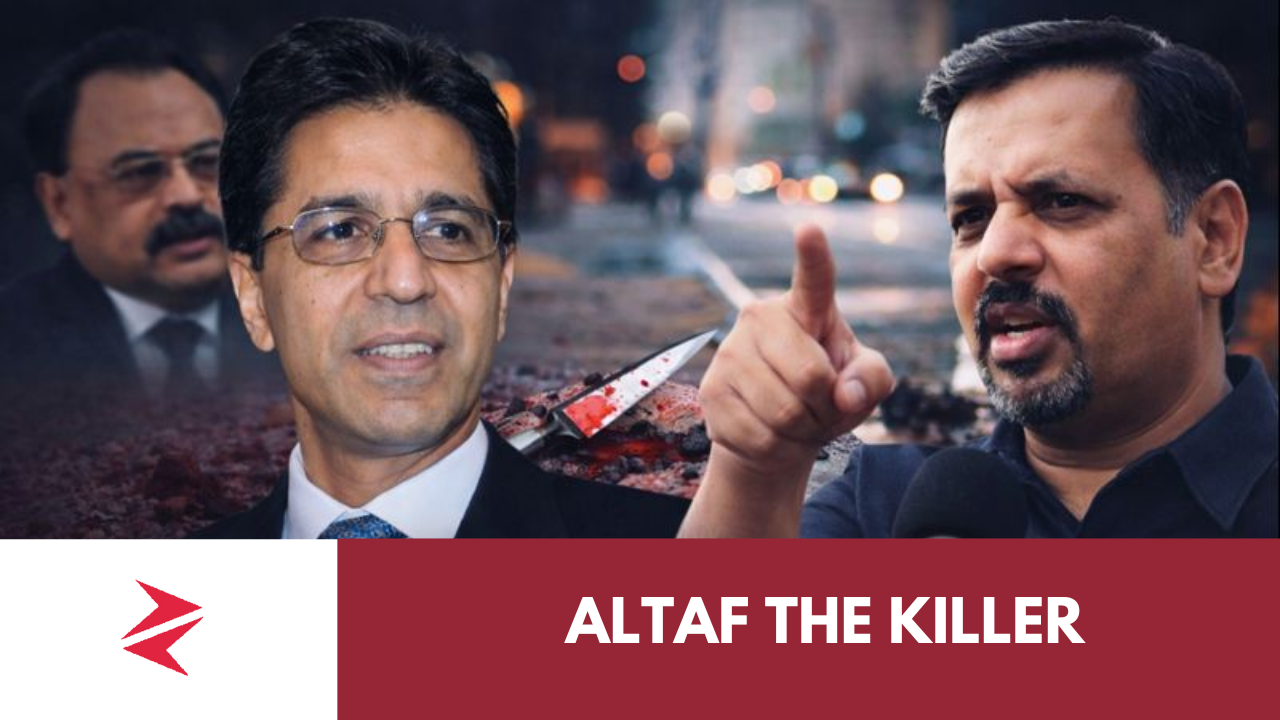
Some confessions and later political statements allege the date was chosen as a “birthday gift” for Altaf Hussain (born September 17). These claims are reported and contested; they were not the basis of the court’s core reasoning on intent. They should be treated as allegations, not findings.
Similarly, recent accusations by Mustafa Kamal—including claims about intoxication or foreign funding—remain partisan assertions amid factional rivalry. They lack independent judicial verification. Reporting them without labels would mislead; we label them clearly.
Share the post "Dr. Imran Farooq – The killing that never stopped echoing"