


































The narrative concludes with reflections on the impact of that pivotal night, emphasizing its significance and the subsequent geo-political reverberations. The lessons from 1996 serve as a poignant backdrop to the unfolding events in 2021, urging caution and collective efforts to prevent further chaos and violence in the region.
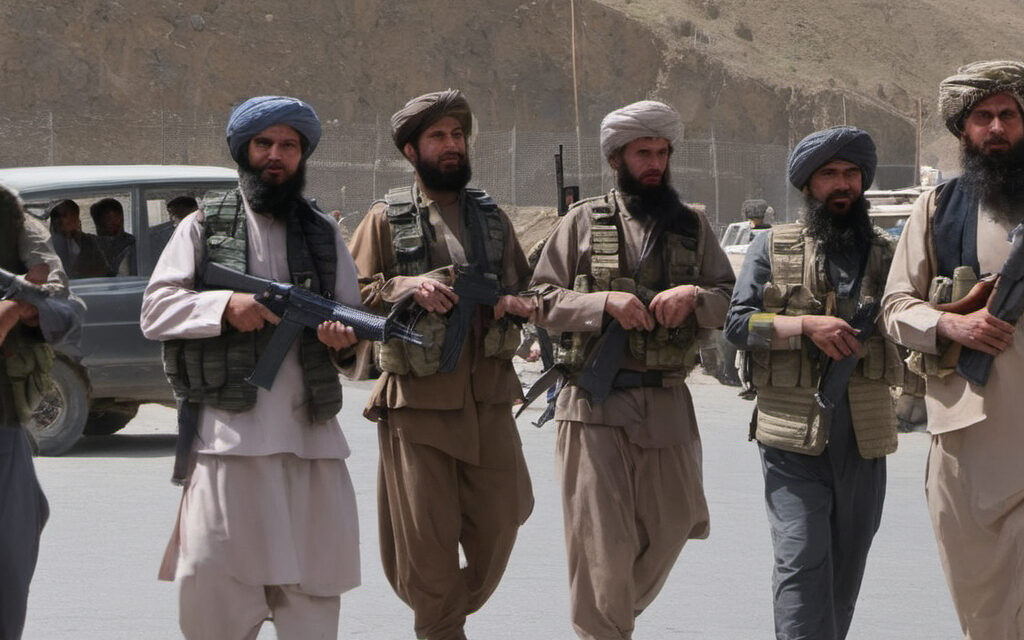
Taliban’s Resurgence: Impact on Pakistan and the Escalation of Militant Threats
The recent success of the Taliban in Afghanistan has not only shifted regional dynamics but has also emboldened Pakistani militants, leading to a surge in deadly attacks and catching Pakistani officials off guard. Despite previous beliefs that the Pakistani Taliban was no longer a significant threat, a September 6 cross-border assault from Afghanistan, where attackers descended from steep mountains, left four soldiers and 12 militants dead, challenging the assumption of the Pakistani leadership.
This wave of violence has triggered a moment of soul-searching in Pakistan, reminiscent of the country’s experiences with the Pakistani Taliban over a decade ago. The Tehrik-e-Taliban Pakistan (TTP), seeking to overthrow the country’s establishment and establish a conservative Islamic legal and political system, akin to the current regime in Afghanistan, is once again making its presence felt. The TTP, operating distinctly from the Afghan Taliban, had previously imposed sharia law in isolated areas and carried out deadly bombings.

The recent escalation of militant attacks in Pakistan has shocked the public, bringing back memories of the group’s earlier insurgency. The northwestern part of the country, in particular, fears a resurgence of violence and instability. During the first half of the current year, militant attacks in Pakistan increased by 80 percent, with the TTP suspected of being responsible for the majority of them, according to the Pakistan Institute for Conflict and Security Studies.
