if ( function_exists( 'pgntn_display_pagination' ) ) pgntn_display_pagination( 'multipage' );

Hi, what are you looking for?
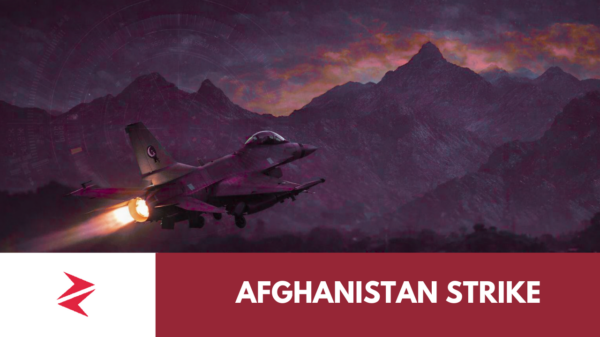
Pakistan Air Force Strikes Afghanistan: Self-Defense, Sovereignty, and the Information War
The Future of Iranian Nuclear Negotiations: Credibility, Deterrence, and Strategic Reality
John McAfee “Knew”? The Anatomy of a Pandemic Prophecy, mRNA Fear, and the Data We Actually Have
UAE Suspends Transit Visas for Pakistanis: Policy Adjustment, Strategic Signal, or Administrative Tightening?
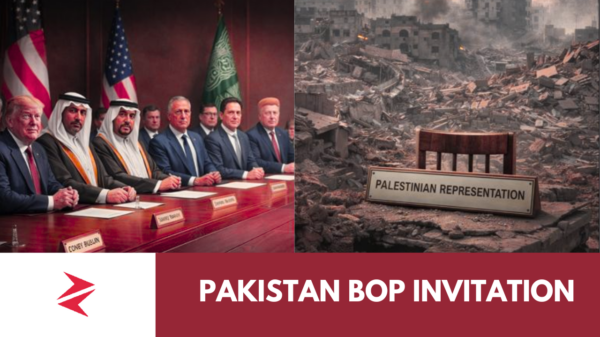
Donald Trump, the Board of Peace, and the Muslim World: Why This Is Not Neutral Diplomacy
How IMF Programs Actually Move PSX: Short-Term Relief vs Long-Term Reality
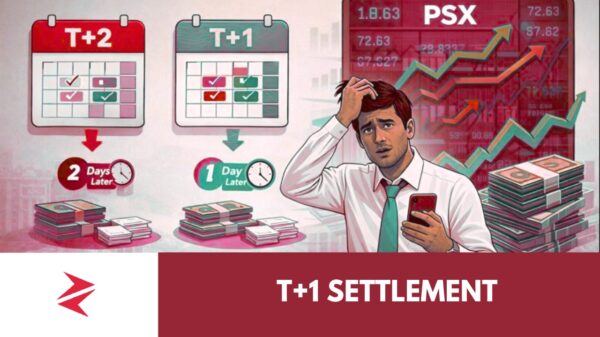
PSX Moves to T+1 Settlement: Why February 9, 2026 Changes Everything
Pakistan Repays Loan Over PKR 3,650 Billion Debt Before Time
How IMF Programs Historically Impact the Pakistan Stock Exchange
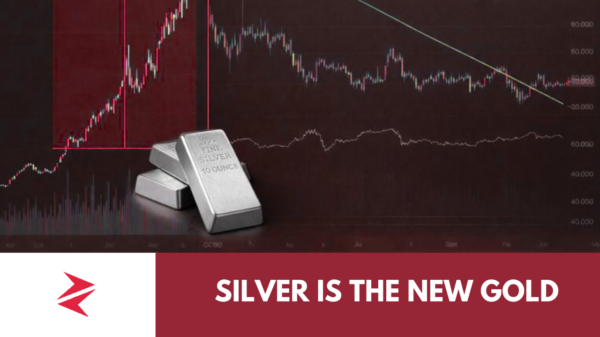
Silver’s $117 Spike Isn’t a Victory Lap. It’s a Macro Stress Test — and Bitcoin Is Watching
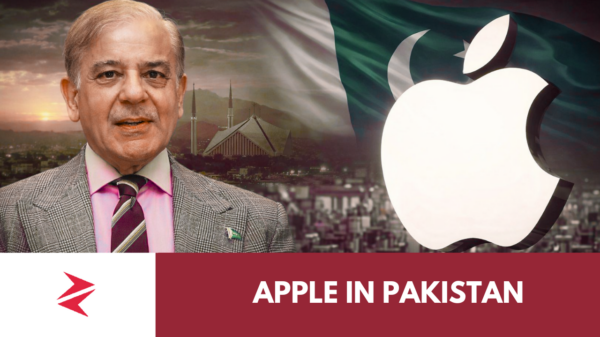
Apple iPhone Manufacturing in Pakistan: Hype, Hostility, or Historic Opportunity?
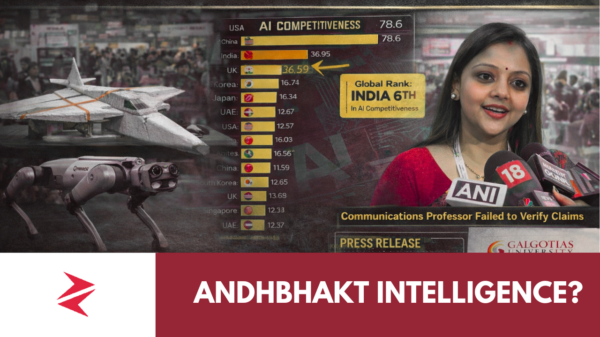
Galgotias University and the AI Summit Embarrassment: Fraud, Hype, and the Real Question of Innovation
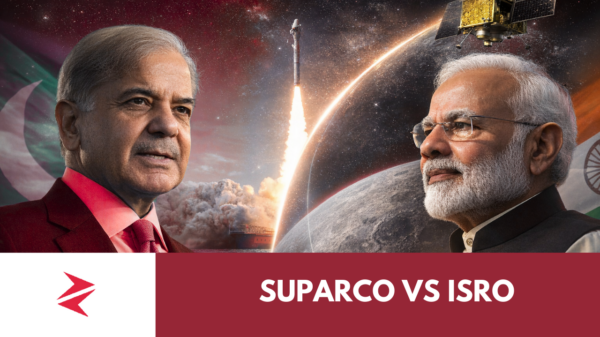
ISRO’s Orbit, SUPARCO’s Trajectory — And Why PRSC-EO2 Changes the Regional Space Conversation

Jean-Baptiste Kempf and VLC: How One Open-Source Decision Defied the Ad Economy
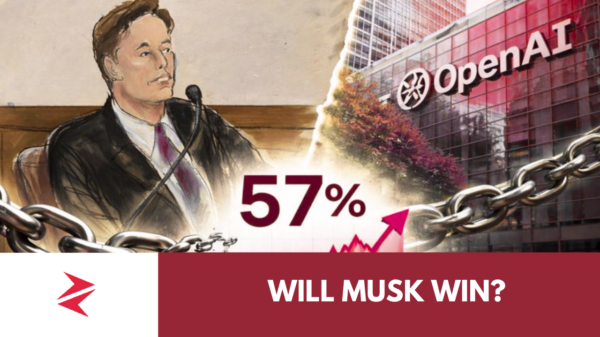
Innovate by Breaking Free from Chains: Why the Musk–OpenAI Case Is Really About Rule-Breaking Power
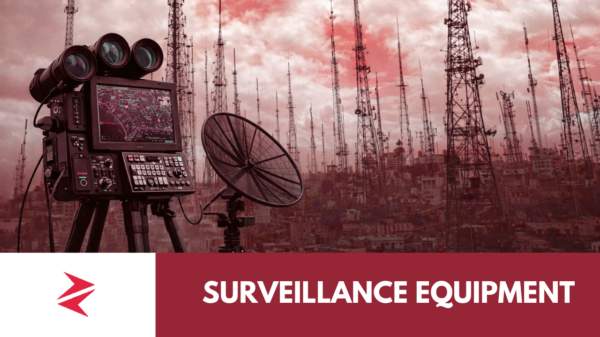
Pakistan’s Firewall Failure Debate: Sovereignty, Surveillance, and the PKR 40 Billion Question
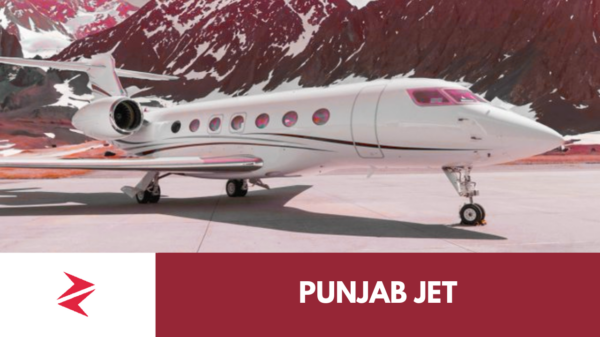
Punjab’s $40 Million Gulfstream G500: Strategic State Asset or Elite Optics in a Strained Economy?
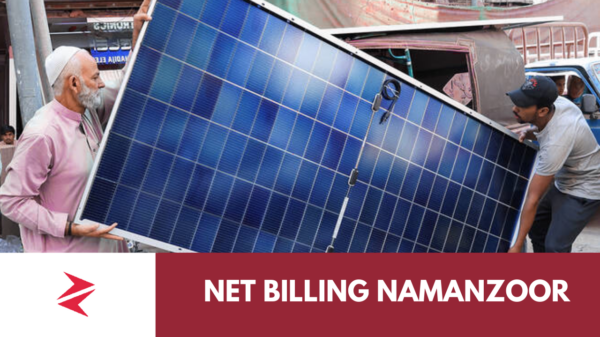
Pakistan: The Only Country Where Producing Electricity Is Penalized — and Not Producing It Is Guaranteed
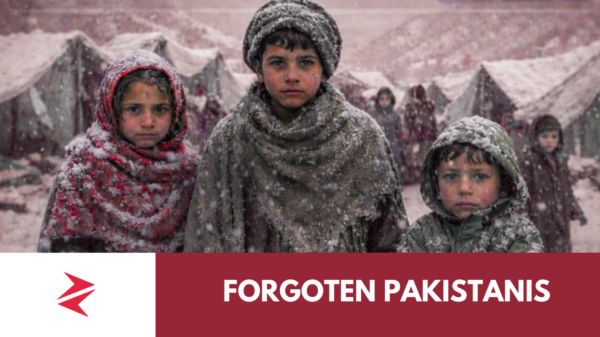
Tirah Valley, the Noise Around It, and the Reality We’re Refusing to Face
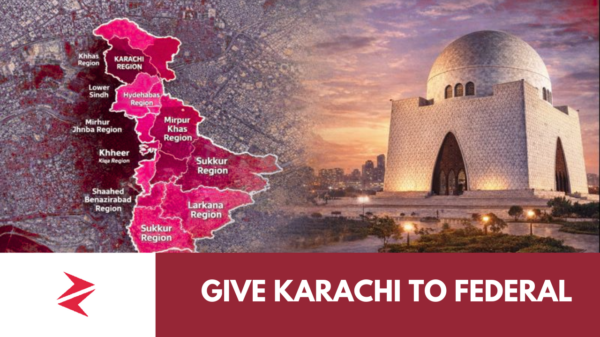
The Real Issue with Karachi: Governance Without Power, a City Without a Voice

PSL 2026 Shockwave: Sialkot Stallionz Rocked by Ownership Crisis as Majority Owner M. Shahid Flags Unauthorized Share Sales to PCB
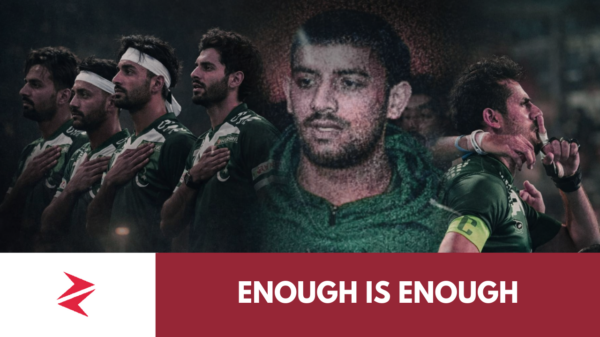
Pakistan Hockey Pro League Australia Tour Scandal: National Pride Left Stranded
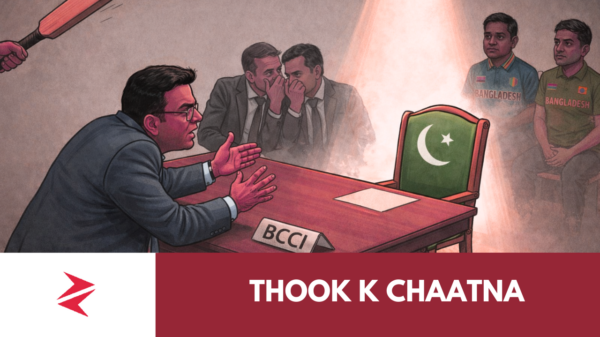
India Begs Pakistan to Play 15th February Match: Why Pakistan’s Stand Is Rational
Hyderabad PSL Team Hyderabad Houston Kingsmen Deserves Better — and now the logo is part of the problem
Pakistan Adamant to Keep Boycotting India T20 World Cup Match in Support of Bangladesh
Pakistan’s $30 Billion Textile Dream: Distortion, Discipline, or Delusion?
Net Billing 2026 and the Strategic Role of a 51.2V 314Ah Battery in Pakistan
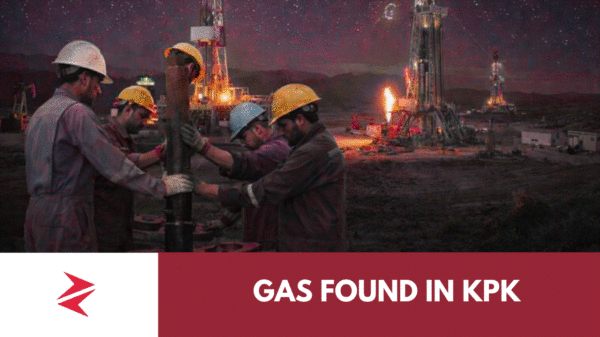
Why Pakistan Oilfields Limited’s Biltang-1 Gas Discovery Could Quietly Trigger Pakistan’s Next Energy Shift in 2026
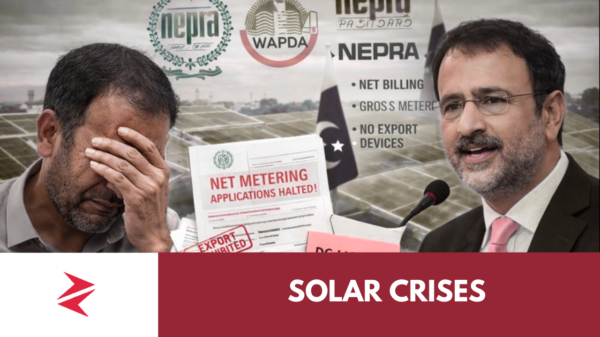
Net Billing Makes it No More Beneficial to Sell Solar Energy Back to WAPDA

The Shift to Gross Metering – What It Means for Solar Consumers
Pakistan’s $30 Billion Textile Dream: Distortion, Discipline, or Delusion?
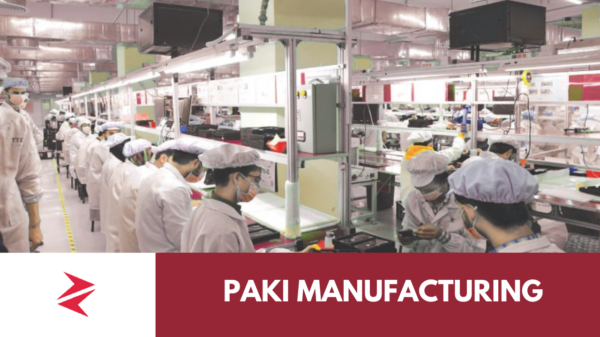
Manufacturing in Pakistan: The Cell Phone Example
Top 35 Popular Pakistani Online Retail Stores: The Next Retail Model for Pakistan: Lessons from Appliances Online
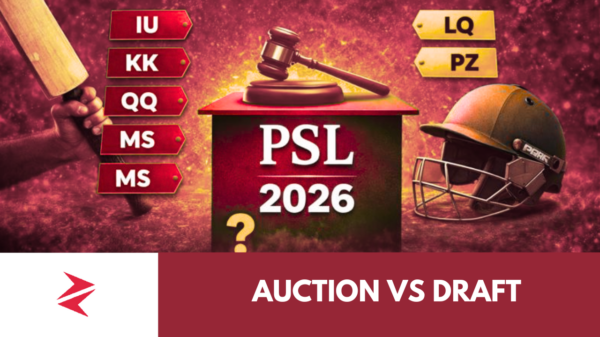
PSL 2026 Players Retention Model: Who Wants Auction vs Who Wants Draft

Stable Coins and Social Media Banks
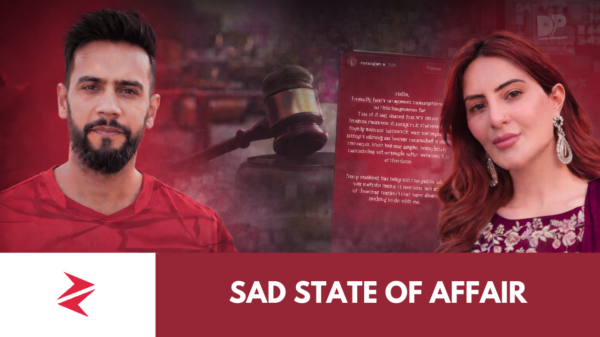
Proven Imad Waseem Scandal: Marriage with Nyla Raja

PIA’s “Flying Nanny” Era: When Pakistan’s Flag Carrier Became Guardian of a Diaspora’s Children
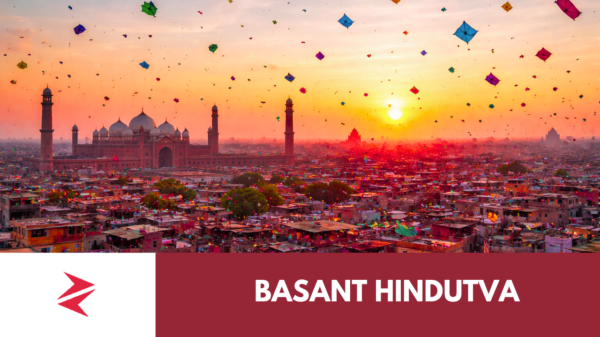
Basant Is Not Borrowed Faith. It Is a Localised Cultural Practice Pakistan Never Fully Lost.

Maria B, Basant, and the Performance of Mourning in a Marketplace of Kites
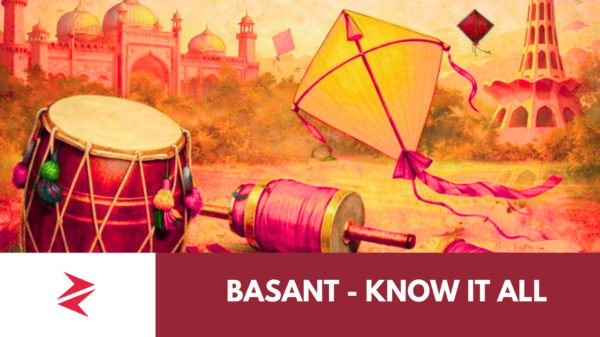
Crash Course: Basant Glossary of Terms You Need to Know as Gen Z
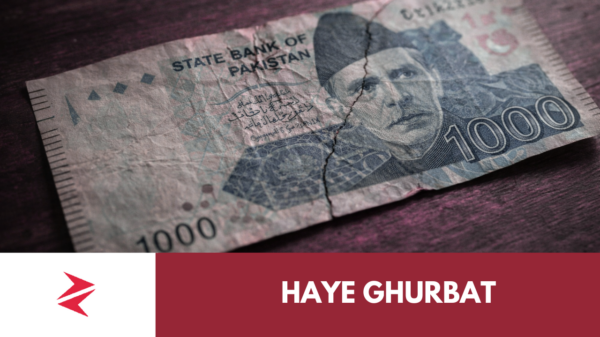
Poverty Gini Coefficient: Pakistan Is Getting Poorer — And More Unequal
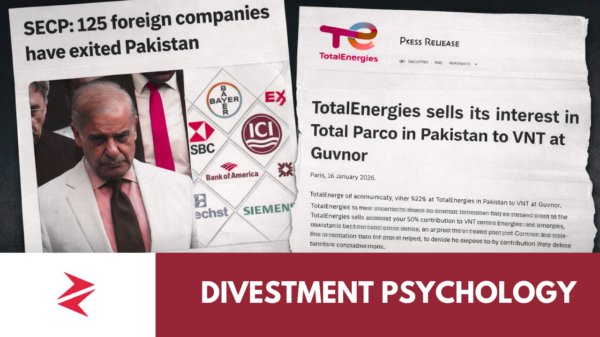
SECP’s 125 Foreign Companies Exit List: Collapse Narrative or Strategic Capital Rotation?
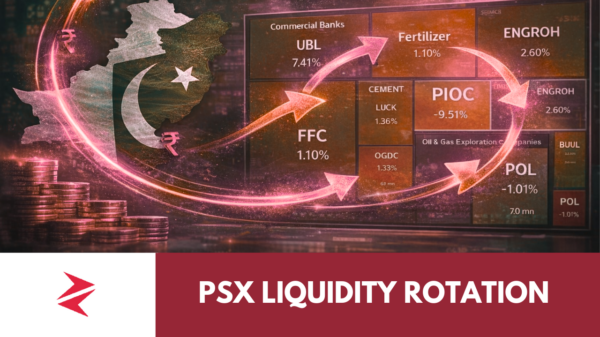
PSX Crashing — It’s Rotating: Understanding Liquidity, Repricing & Sector Games
Proven Imad Waseem Scandal: Marriage with Nyla Raja
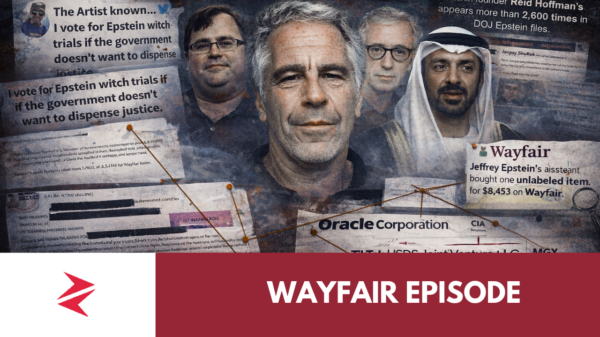
The Epstein Network Was Protected — And Transparency Is Still Being Withheld
Pakistan Air Force strikes inside Afghanistan ignite debate on sovereignty, TTP safe havens, and the escalating information war in South Asia.
PSX correction decoded: liquidity rotation, sector repricing, and why fast 10% declines historically reward patient investors.

Punjab’s reported $38–42M Gulfstream G500 purchase sparks debate amid fuel hikes and debt pressure. Strategic asset or elite excess?

How IMF programs historically impact the Pakistan Stock Exchange—why markets rally on IMF deals, why gains fade, and how investors should read IMF news...
Can Pakistan hit $30B textile exports? Data on energy tariffs, IPPs, Bangladesh’s rise, and the innovation gap shaping competitiveness.
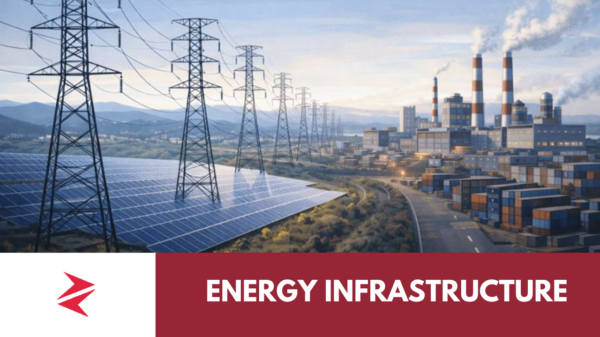
Pakistan cuts wheeling charges by Rs 4.04/unit and lowers export refinance rates to 4.5%. What changed, what didn’t, and why it matters.

Pakistan’s Rs3.65tr early debt retirement: what’s verified, what it changes (risk, costs), and why “printing money” depends on funding sources. Retiring debt is easy...