




























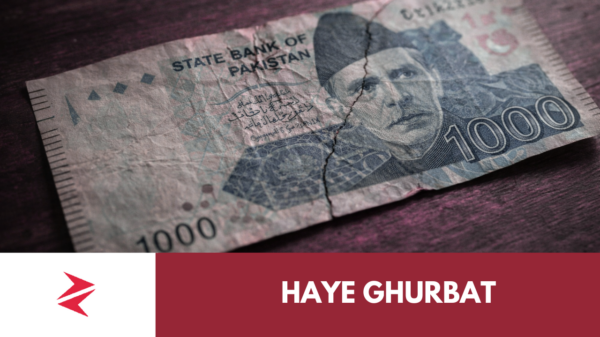


While China benefits from economic growth under the China-Pakistan Economic Corridor (CPEC), Pakistan bears all the risk and is responsible for repaying the $46 billion loan. This large loan may not be a significant burden for China, but it is a significant burden for Pakistan. Some may view the situation as deceptive. Pakistani business people who are currently doing business abroad should consider shifting their investments back to Pakistan. The IMF, which has provided financial assistance to Pakistan, has been criticized for imposing large debts on underdeveloped countries that may take multiple generations to pay off. The success of the CPEC depends on China’s economy remaining strong and free of global sanctions, allowing it to freely trade with the rest of the world.
Fight against TTP and Afghan Border
China has a history of entering a market and dominating the local industry, potentially leading to the demise of local businesses. The Chinese have been given access to Pakistan through the China-Pakistan Economic Corridor (CPEC) and it is feared that Chinese goods may have a similar impact on the Pakistani industry as Walmart has had in other countries. Pakistan could potentially benefit from implementing a “Make in Pakistan” initiative similar to India’s “Make in India” program, which aims to sustain and improve local industry and technology. Some may argue that Pakistani leadership has demonstrated poor judgment in agreeing to the terms of the CPEC and that the country will bear a heavy burden as a result.