





































Share the post “Top 35 Popular Pakistani Online Retail Stores: The Next Retail Model for Pakistan: Lessons from Appliances Online”
Three Clear Lessons for Pakistan’s Online Retailers
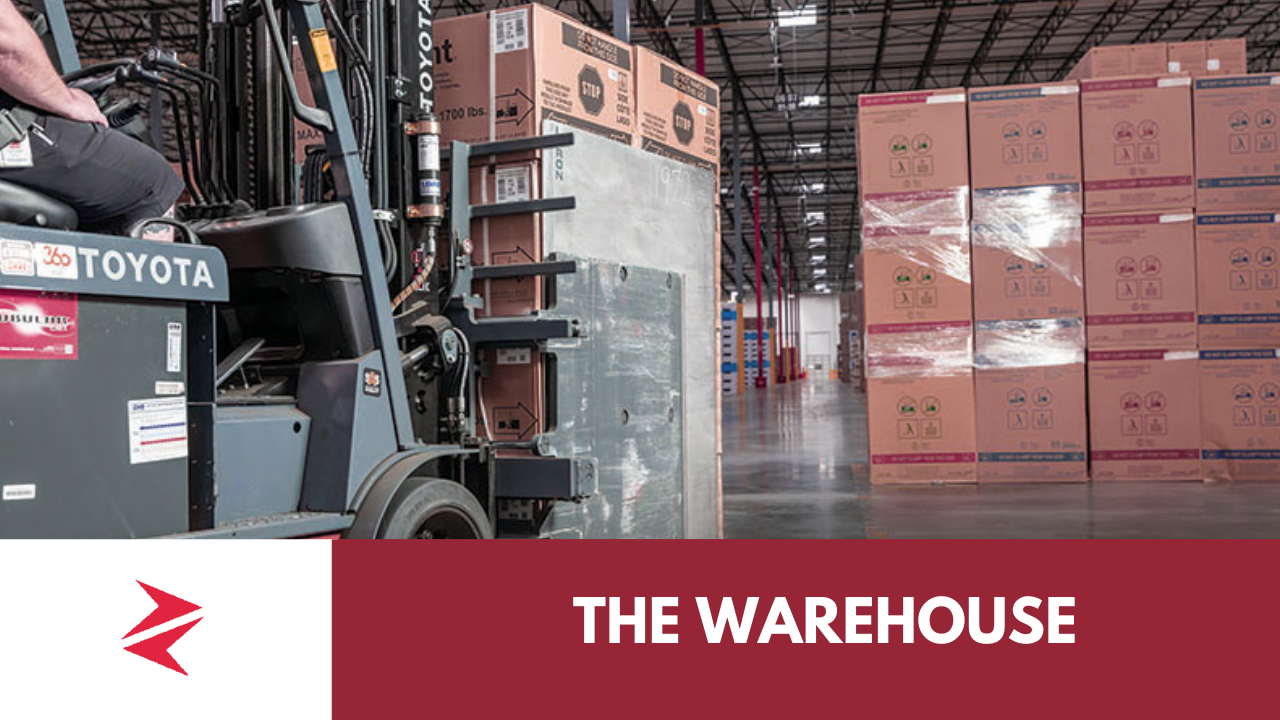
First, stop sitting on oversized or underutilized warehouses.
Large facilities lock capital and slow response times. Smaller, city-adjacent fulfillment hubs improve velocity and reduce last-mile risk. Low inventory with high turnover consistently beats scale without discipline.
Second, stay physically close to the customer.
Shared logistics hubs across major cities can enable same-day or 24-hour delivery, localized installation teams, and faster issue resolution. Customers may forget discounts, but they remember delays.
Third, make service the hero, not sales.
Marketing creates awareness. Installation quality, returns handling, and post-purchase support build trust. The moment installation moves from a cost center to a value driver, the business changes direction.
Where Pakistan’s E-Commerce Is Headed
The trajectory is clear:
-
Competition will intensify as more platforms enter the market
-
Logistics quality—not product variety—will determine customer loyalty
-
Digital payments, tracking transparency, and post-sale support will define brand credibility
Pakistan does not lack online stores.
It lacks end-to-end operational maturity.
The future belongs to retailers who treat execution as strategy—not overhead.
This Top 35 Online Retail Stores list has been compiled to present an overview of established e-commerce platforms operating in Pakistan where consumers can purchase electronic equipment and related products. The selection is based on publicly available customer reviews, testimonials, and platform visibility, with the objective of reflecting the breadth of Pakistan’s online retail ecosystem.
The list is not intended as a popularity or performance ranking. Instead, it serves as a reference point highlighting the diversity of online retail models, operational footprints, and customer access channels. It may also offer practical insight for entrepreneurs and businesses evaluating opportunities within Pakistan’s e-commerce and electronics retail sector.
Each entry includes available contact numbers, physical addresses (where disclosed), and email details for ease of reference and transparency.
Share the post “Top 35 Popular Pakistani Online Retail Stores: The Next Retail Model for Pakistan: Lessons from Appliances Online”