
























In time, we’ll peel back the layers: martial laws and their wreckage, the democratic fight, the agony of Dhaka’s fall, water woes and the stalled Kalabagh Dam, GDP shares, army recruitment, feudal shadows, and the post-18th Amendment tangle of resources. Sectarianism, linguistic rifts, extremism, corruption—the roots of our monarchy-clad establishment and the democracy of our parties—all must be traced back to day one.
Time brews its lessons slowly. Calamity doesn’t strike in a single blow.
Today’s poison won’t spare the Punjabi elite alone. If this spiral persists, the dock of history will hold generals, judges, bureaucrats, and chieftains from every corner of Pakistan—not just Punjab. The few who dared reform, who learned from the past, were crucified alongside their kin.
Enough with the medals of treachery handed out every decade. Patriots are branded traitors, and traitors crowned heroes, in an endless cycle of vengeance. If this venom festers, Pakistan will stumble forward only to stagger back. We can’t afford another fall.
Crush the terrorists, yes—relentlessly. But hear the weary, angry voices of those who cling to the Constitution. Legitimate or not, their cries demand dialogue, not just force. Brute power without politics is a hollow shell.
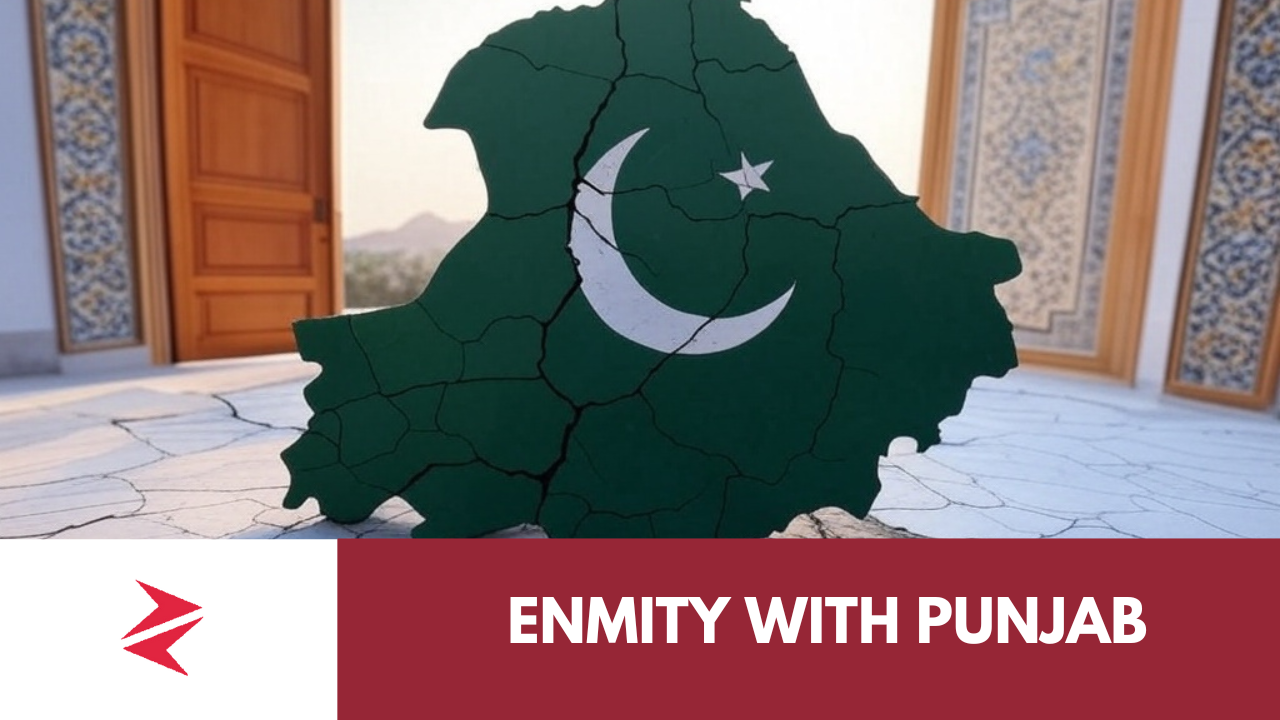
For God’s sake, don’t lighten the enemy’s load. The state must be a mother, not a stepfather. Stop the fractures. Open the doors.
