



























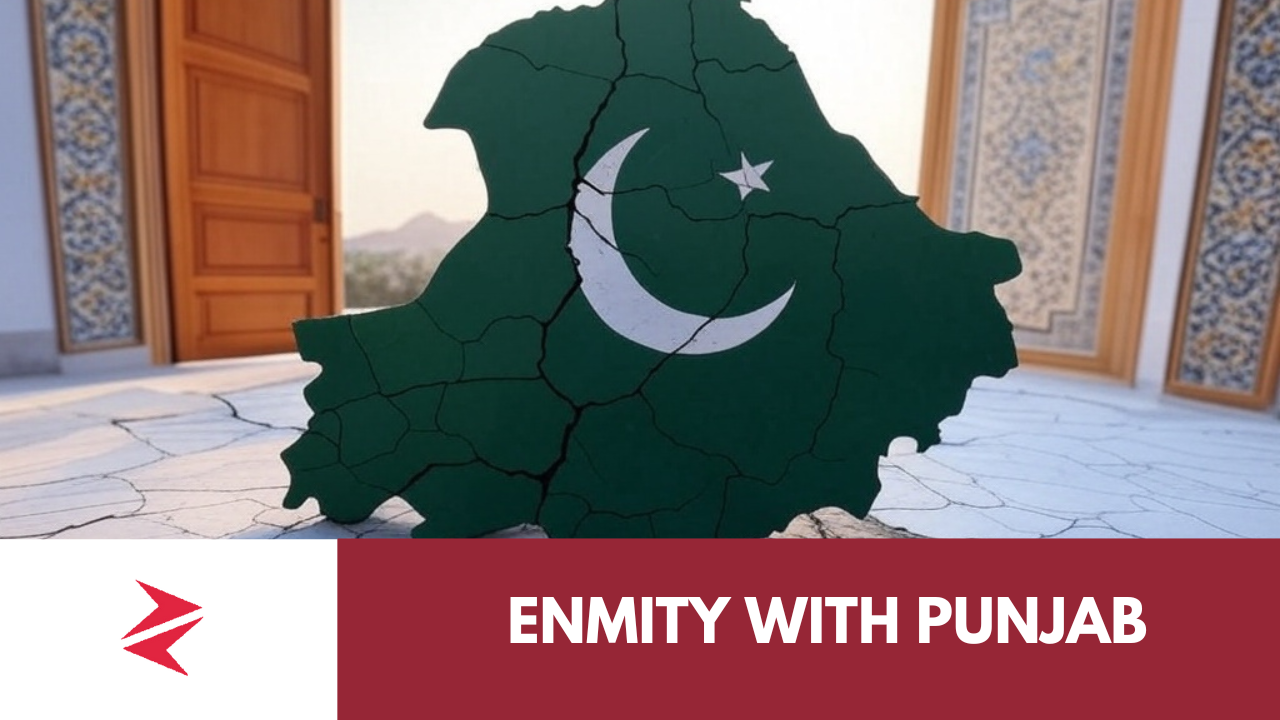
Let’s not forget: when Pakistan was carved into being, it was Punjab and Bengal whose blood and treasure split apart. The heaviest toll—lives lost, dreams shattered—fell upon Punjabi hearts. From the ashes of UP and CP, millions fled, leaving behind graves and memories, only to be welcomed by Punjab’s open arms. We didn’t just shelter them; we wove them into our fabric, shared our bread, and built anew together.
Alhamdulillah, in every corner of Punjab’s cities, Baloch, Pashtun, Sindhi, Kashmiri, and Gilgiti brothers live among us—safe, thriving, equal. This is no accident; it’s a testament. Democracy, justice, and an inclusive Pakistan are the balm we need—not division, not endless fractures along ethnic lines. Every province here is a mosaic of tongues and tribes; slicing ourselves apart solves nothing.
The birth of Pakistan wasn’t a quiet affair—it was the greatest, bloodiest migration humanity has ever witnessed. Punjab bore the brunt: bodies piled high, millions uprooted, homes torched, and dignity stripped bare. Women, children, elders—left to wander homeless, their ancestral graves abandoned forever. Those who crossed over shed their pasts, their cultures, their very identities, all for love of this land. And yet, who sings their dirge? Who has mourned this apocalypse that swallowed us whole?