


























After undergoing comprehensive training and transformation, these individuals would be reintroduced, either in Afghanistan or Pakistan, with the aim of instigating cultural shifts and gaining control over the political landscape in both of these nations.
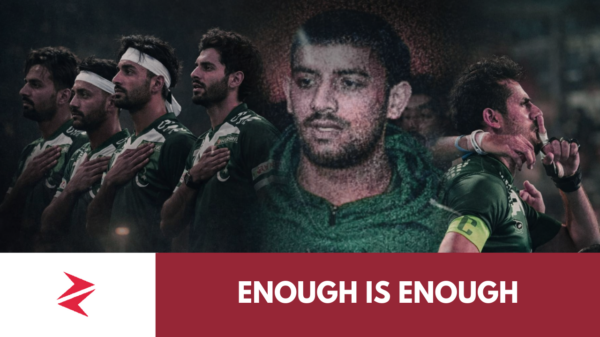
The 19th Asian Games concluded in China on October 8th, with 12,000 athletes from 45 countries participating. Pakistan achieved the 31st position in the medal standings. Notably, male athletes and players reportedly decided not to win any gold medals due to the belief that wearing gold is prohibited for men in Islam. Similarly, women athletes and players refused first positions, expressing a perspective that gold represents worldly possessions, and they were more focused on seeking eternal salvation. Consequently, Pakistan did not pursue any of the 475 gold medals available. However, there were individuals who claimed one silver and two bronze medals, and when reminded of the consequences for violating the national policy, these medal winners reportedly opted to seek asylum elsewhere.
In contrast, neighboring countries, including Afghanistan, outperformed Pakistan on the medals’ table. India, for instance, secured a total of 107 medals, comprising 28 gold, 38 silver, and 41 bronze. The post mentions that Pakistan is contemplating an appropriate response to India’s performance, hinting at the preparation of patriotic songs (“Millie Naghmay”) as part of this response.
Amid this backdrop, authorities are reportedly considering the possibility of shutting down sports and Olympic bodies, citing the redirection of the funds allocated to these bodies towards other areas like the Benazir Income Support Programme (BISP) and discretionary fund allocations to parliamentarians. The overall tone reflects a sense of disillusionment with the state of Pakistani sports, lamenting its decline.