





















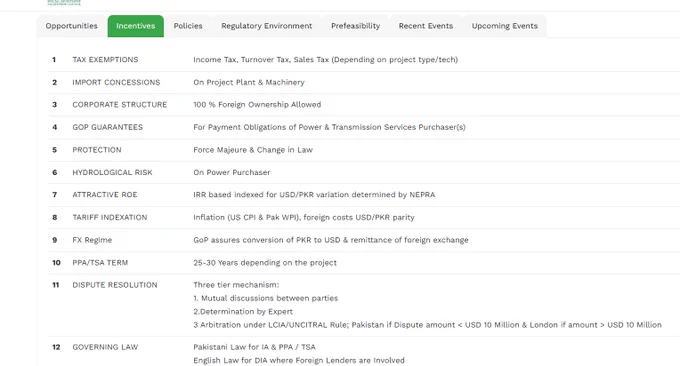
The SIFC is emulating the PMLN model of 2014 by implementing take-or-pay agreements in the power sector to draw in investments. Notable projects include the $1.2 billion Thar coal venture, generating 1320MW, the $800 million 1200MW solar project in Layyah, and the $400 million 600MW solar undertaking in Jhang. It is suggested that a shift towards prioritizing mining and agriculture would be more beneficial, without the need for additional sovereign guarantees.
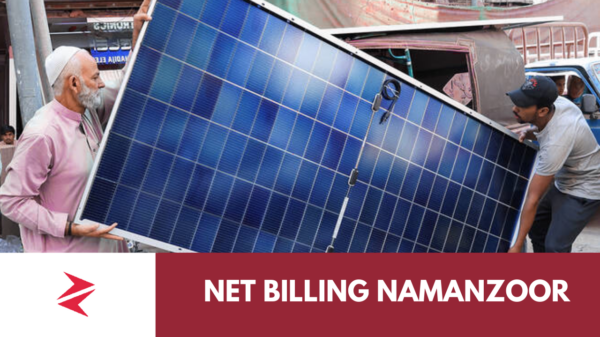
When consumers are willing to bear all the risks and invest in solar projects without seeking any assurance from the government for capacity payments, it raises the question of why the government is inclined to take on this liability. This becomes particularly puzzling considering their efforts to distance themselves from the sector through the introduction of CTBCM. It’s only fair that investors receive guarantees to protect their investments, given that they will be entering a market where power demand is decreasing while generation capacity is on the rise.
The upcoming power projects indicate that we will have an excess of capacity for the next two decades. Reports of SIFC obtaining duty-free import permits seem wasteful, as imported Independent Power Producer (IPP) plants cannot operate without incurring capacity charges, all while not generating any electricity. This exacerbates the issue, which lies not in generation capacity, but in the failing distribution system that can only handle 23-24K, as well as imported fuels.