



























Unpacking the Pakistan/SIFC Deal
At the heart of the debate lies the sale of Pakistan’s assets, which some claim is occurring at distressingly low prices. This situation draws parallels to the regrettable PLMN IPP contracts, which left a lasting impact on the country’s economy. The apprehension is palpable as Pakistan watches this new deal unfold.
In a bid to lure foreign investments, Pakistani rulers have touted a potential windfall of up to $70 billion. However, analysts and experts are grappling with the feasibility of such a massive influx, given the current precarious state of the nation’s economic fundamentals.
Stability, Institutional Strength, and Global Economic Climate: Key Indicators for Investment
Faisal Mamsa, CEO of Tresmark, emphasizes the importance of stability, robust institutional capacity, and a favorable global economic environment for investors. Given Pakistan’s current standing, these crucial factors appear to be working against it, particularly if the details of the proposed $70 billion investment remain nebulous.
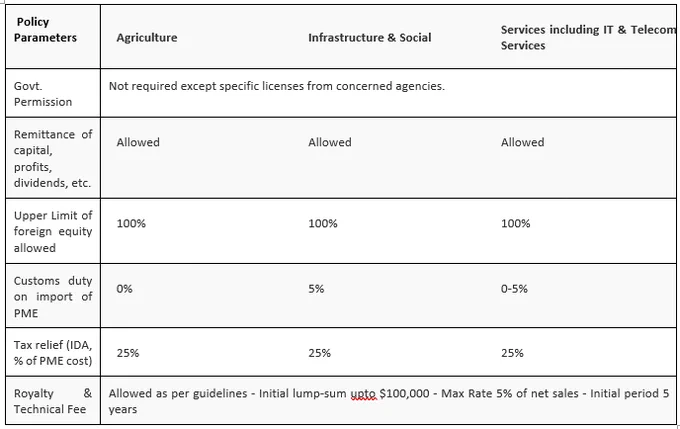
The Special Investment Facilitation Council (SIFC) offers advantages for agricultural investment, including a 25% tax reduction and exemption from customs duties on imports.

Learning from History: The PLMN IPP Contracts
The PLMN IPP contracts of the past serve as a cautionary tale. Similarities between that episode and the current situation are hard to ignore. Both involve significant economic decisions with far-reaching consequences. Understanding the repercussions of the IPP contracts should inform our approach to the Pakistan/SIFC deal.

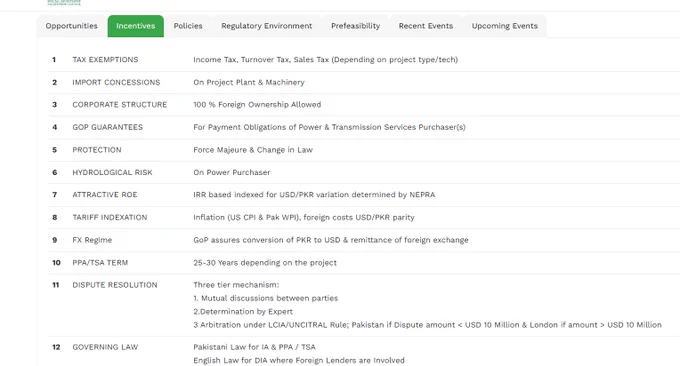
The SIFC is emulating the PMLN model of 2014 by implementing take-or-pay agreements in the power sector to draw in investments. Notable projects include the $1.2 billion Thar coal venture, generating 1320MW, the $800 million 1200MW solar project in Layyah, and the $400 million 600MW solar undertaking in Jhang. It is suggested that a shift towards prioritizing mining and agriculture would be more beneficial, without the need for additional sovereign guarantees.