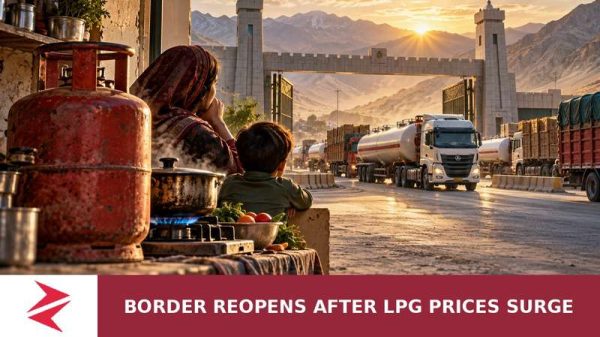



































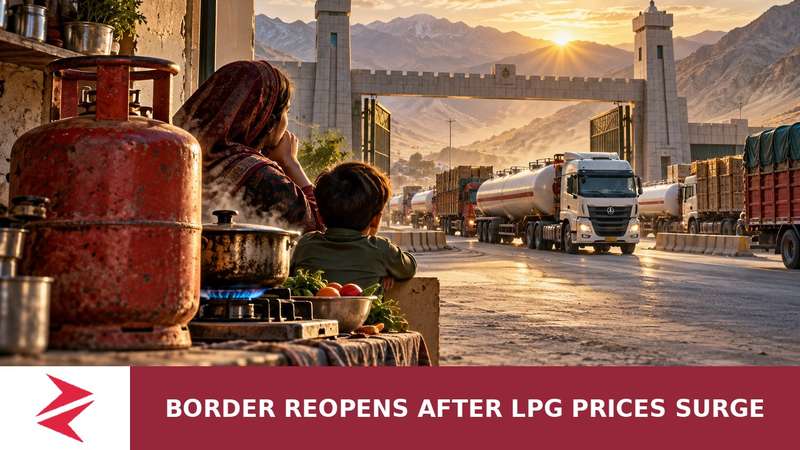
When the Economic Times announced that Pakistan had “reopened the Iran border crossing after a week‑long suspension of trade,” the headline sounded like a relief valve for a nation gasping for cheap cooking fuel. Yet the same week, the Hormuz Letter warned that a 12‑kg LPG cylinder had jumped from 4,500 rupees to 7,000 rupees – a 56 % surge that slammed the budgets of millions of families. The contradiction is stark: a border that was closed enough to double the price of a basic household necessity, then reopened just as the price spike was still throbbing. The sequence of events forces us to ask who really paid for the week‑long shutdown and why the government waited until the market screamed for intervention.
What the numbers really say
The Hormuz Letter’s tweet, posted on 24 October 2026, put a concrete figure on the pain: “price of a 12 kg cooking‑gas cylinder now up 56 % in just days, from 4,500 to 7,000 rupees.” No source was cited, but the claim is a direct quotation from the post, and the figure aligns with the sudden jump observed at retail outlets across Karachi and Lahore. A 56 % increase in a commodity that households purchase weekly translates into an extra 2,500 rupees per month for a typical family of five – a sum that eclipses the average monthly earnings of many low‑income earners.
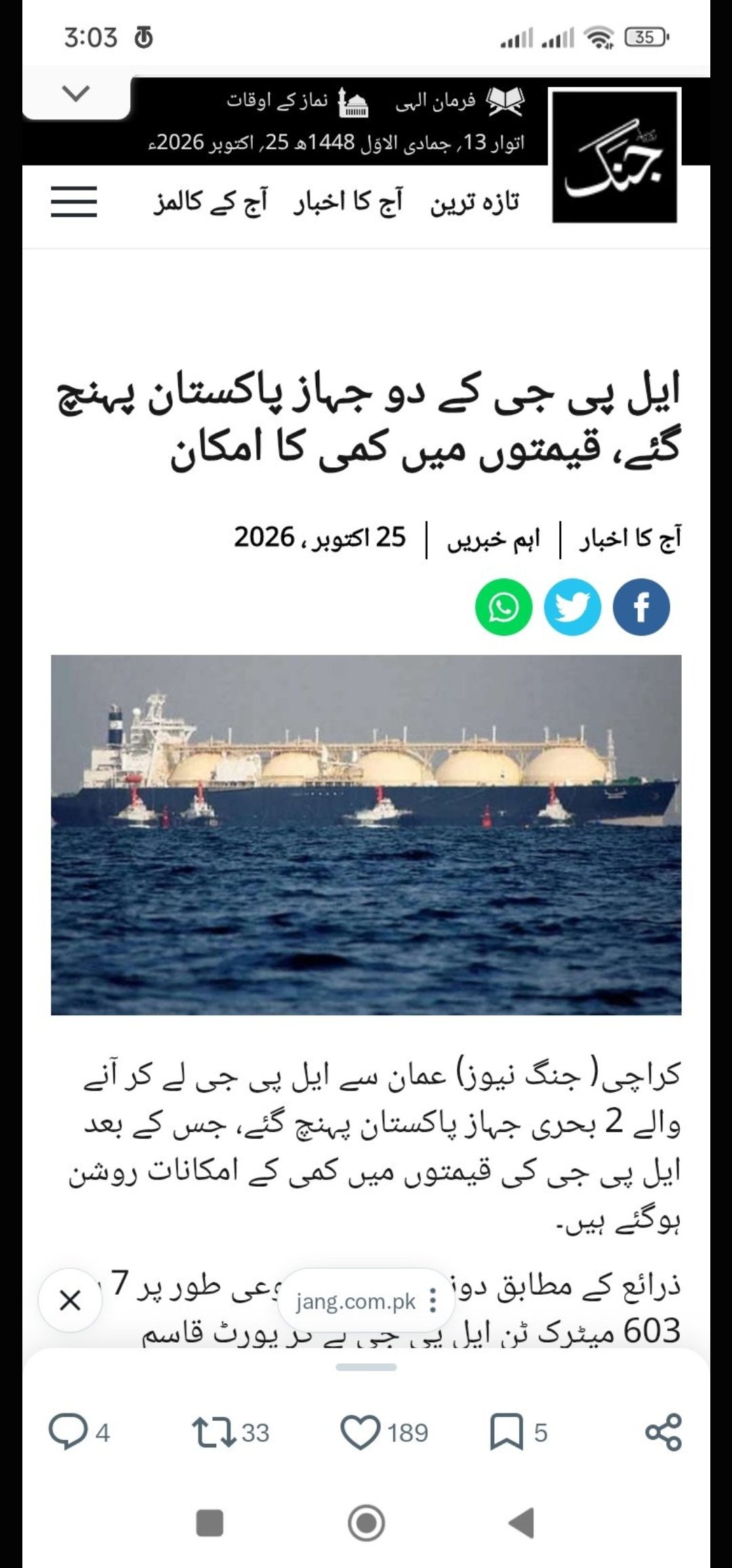
Five days later, the Economic Times headline confirmed that the border crossing at Gabd‑Rimdan (and the nearby Taftan point) was back in operation. The post did not disclose the volume of trade that resumed, but the visual evidence from a Jang newspaper screenshot showed two LPG ships arriving in Karachi, with the caption “Two LPG ships have arrived in Pakistan, possibility of price decrease.” The ships, carrying roughly 603 metric tonnes of LPG, were reported to be sourced from Oman, not Iran, but their arrival signalled that the supply chain was finally moving again.
Ordinary people felt the squeeze
For a truck driver earning the minimum wage of PKR 25,000 a month, the extra 2,500 rupees per cylinder meant either cutting back on food, medicine, or school fees. Small shop owners, already battling inflation, saw their margins evaporate as customers either postponed purchases or demanded credit. The price shock rippled through the informal economy: street vendors who rely on LPG‑cooked snacks faced dwindling sales, and women who run home‑based catering businesses found their profit margins slashed overnight.
These are not abstract statistics; they are the lived reality of a nation where over 30 % of households spend more than 10 % of their income on energy. When the government finally lifted the border closure, the relief was palpable, but it arrived after the damage had already been done. The delayed response exposes a systemic failure: a policy decision made on vague security grounds, implemented without an impact assessment, and communicated through a terse X post rather than a transparent ministerial brief.