







































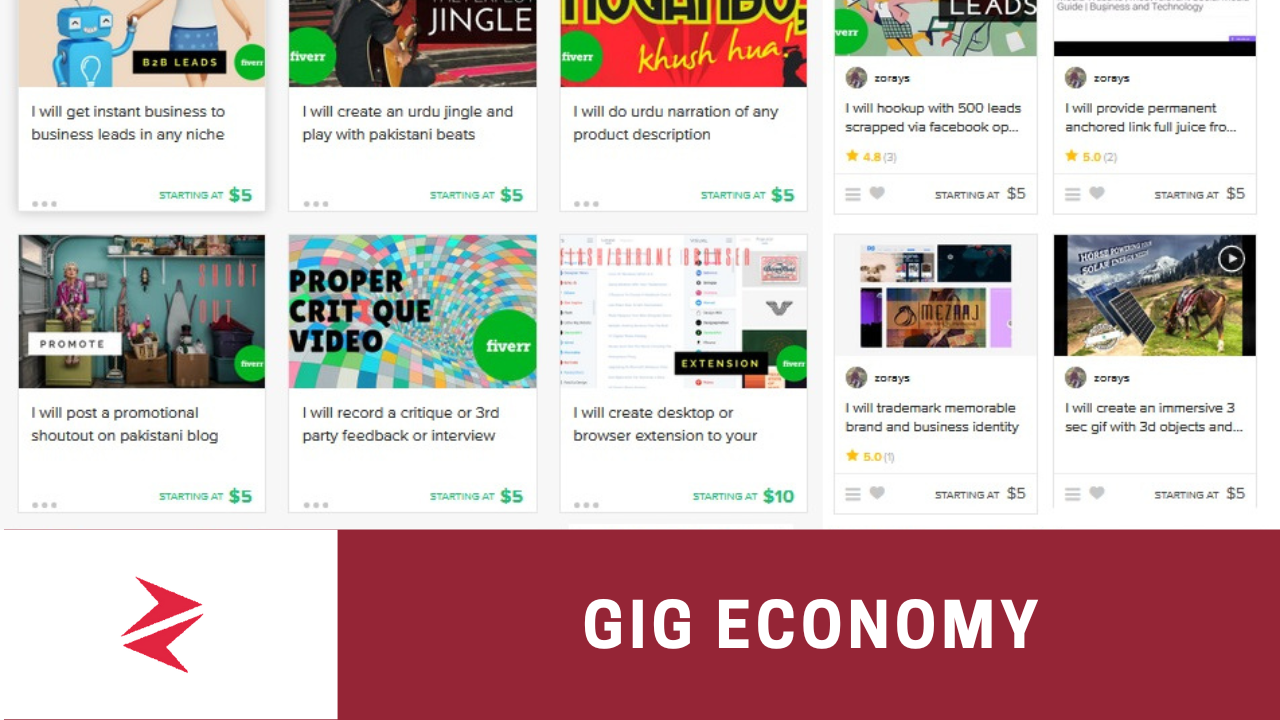
However, creating job opportunities while protecting employees is a major challenge for startups in Pakistan. The lack of protections for gig workers under Pakistani labor laws is a setback compared to more Western economies, where traditional jobs come with perks such as health insurance and pension plans. The lack of these perks in traditional jobs has made the switch to temporary work easier for many in Pakistan. As the gig economy grows, it is crucial to look at laws to protect freelancers working within it. Additionally, comprehensive policy-level steps need to be taken, such as developing a telemedicine policy and regulating liability coverage.
Recently, we have seen Careem overtaking UBER by change. The localized competition in commuting services is at the helm of the debacle. The whole UBER thing is coming apart due to economic realities. It costs Uber divers around forty thousand a year to make ten thousand after paying taxes, car insurance, and maintenance and then adding on value to compete with more and more drivers coming online while working forty-plus hours minimum. A few people save some money over a taxi, Uber makes a fortune as the man in the middle and jobs go away.
Challenges with Gig Economy?
Let’s face it – outsourcing is probably unstoppable, but glorifying it as a “gig economy” won’t make the transition in the workforce any less painful. The benefits of a “nimble core of managers” with outrageous salaries is really what it’s all about. So this is really just another justification for the libertarian “dream” of “whoever is the most willing to throw his fellow humans under the bus wins.” Globally, millions will lose their livelihood, and millions more won’t even have a chance to get into the workforce.