



































It’s no secret that the giants of the social media world want people to spend more time on their networks and not on their own websites. The author of the content gets rewarded for their loyalty and use of the product with notoriety. The growth of fake news has had a major impact on people’s trust in information on social networks. Not just news and political statements but even brand messages. With so much competition for digital space, it will be the brands that can foster genuine trust with their audience on social that will be successful. The gig economy revolves around :
- Apportioning risk and Direct Work
- Trust building and Inclusion of the ‘single entity’, IP and legal
- Human choice, “right decision, right time, right reason” ethics
- Economic differences due to valuations of currencies
- Creation of cheap labor pools for corporations so they can hire cheap labor rather than locally
- Middle man treating people as commodity and making (n)xBILLIONS.
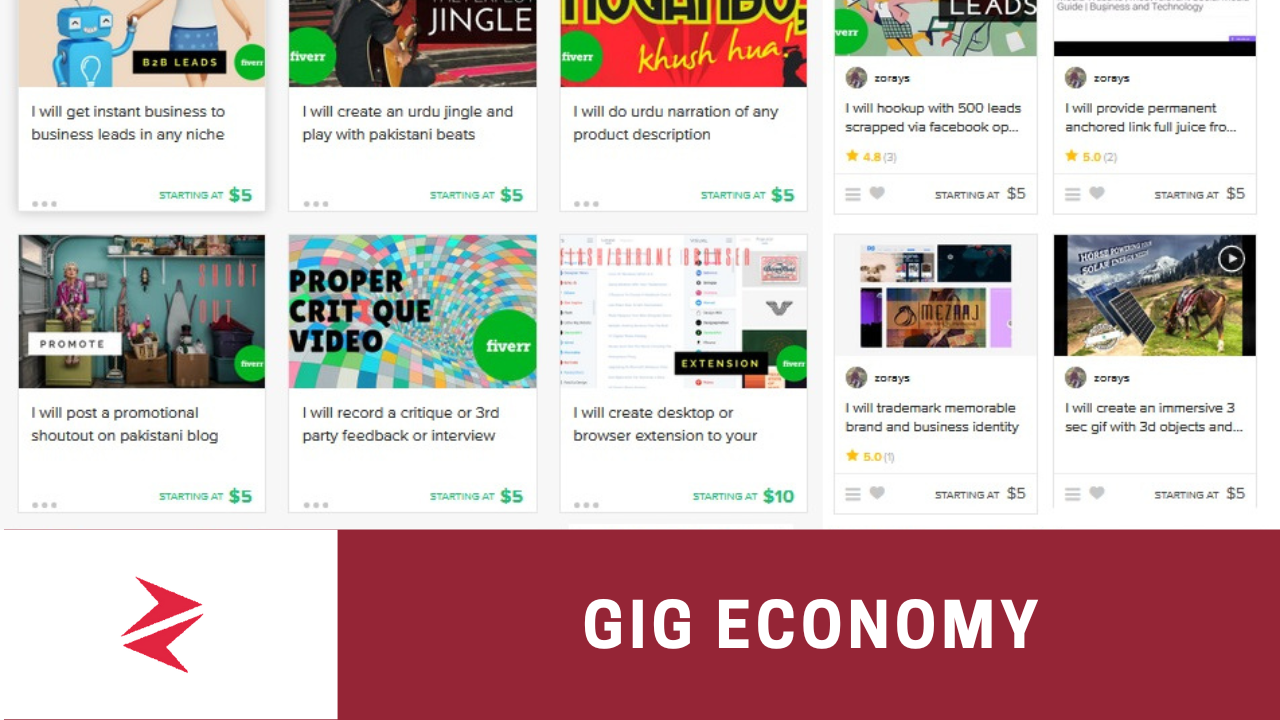
Gig Economy of Pakistan
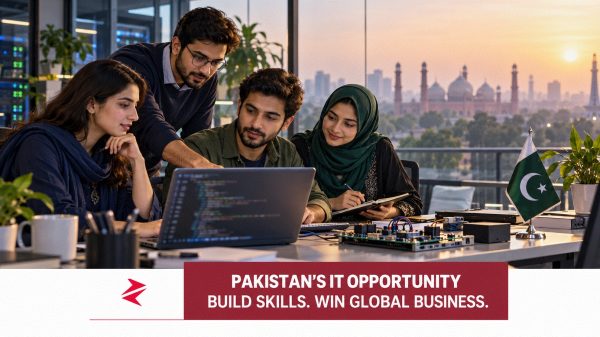
Gig Economy in Pakistan is the same as anywhere worldwide. ForiMazdoori is a Skill Bazaar that provides a digital service that bridges the gap between an employer and a worker by providing an easy-to-use system for searching and hiring every day. Likewise, Mazdur Loog is where contractual arrangements take on completely new meanings. The instances of “wage compression” will far outnumber cases of “dramatically opened opportunities.
The gig economy has been growing rapidly in Pakistan, with a 2017 report by the Oxford Internet Institute (OII) ranking Pakistan 4th in the global digital gig marketplace, accounting for 8% of total freelance work. In 2022, the country generated $1 billion in revenue entirely from freelancing gigs. However, while the gig economy has been embraced by many in Pakistan, it is mostly composed of workers who were previously unemployed or have very little experience. This has led to higher participation rates among women and youth, who make up a significant portion of the country’s labor force.
The rise of on-demand startups like Ghar Par and Mauqa.online has further supported the gig economy’s growth in Pakistan. However, larger companies like Uber and Careem have also contributed to this trend by offering more flexible and dignified employment options.
While the gig employment structure is not new to Pakistan, technology and the startup ecosystem have enabled it to become more efficient, increase the number of available jobs, and help alleviate the uncertainty of not having work for days on end. Startups like Sukoon, The Handyman, and Fori Mazdoori are aiming to digitize and automate the process of finding gigs to further improve the gig economy in Pakistan.