































High-powered delegations visited Kabul to urge the interim regime to adhere to the Doha accord, close safe havens of the TTP in Eastern Afghanistan, and rein in the terrorist activities. However, these requests were turned down, with the interim regime denying any terrorism emanating from Afghan soil and asserting that Pakistan needed to address its internal issues.
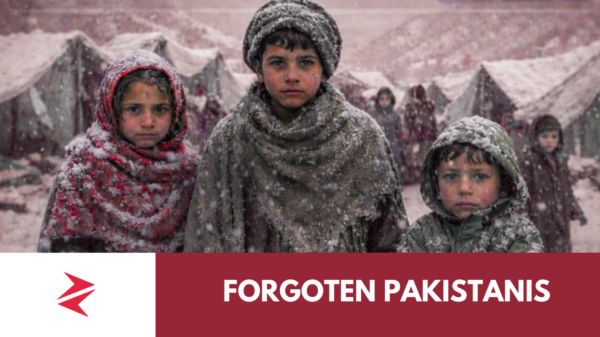
As Pakistan faced worsening political, social, economic, judicial, constitutional, and security challenges, the army chief, Gen Asim Munir, and his team took steps to restore order through reforms and economic uplift programs. On the security front, it became apparent that illegal immigrants were contributing to the problem, and their expulsion was deemed necessary to control terrorism.
However, the decision faced opposition from traditional spoilers, including petitions filed in the Supreme Court to halt deportations. Pseudo-intellectuals and social media, possibly influenced by external powers, painted a dangerous scenario, suggesting that the decision might have long-term ill-effects and advising a more gradual process.
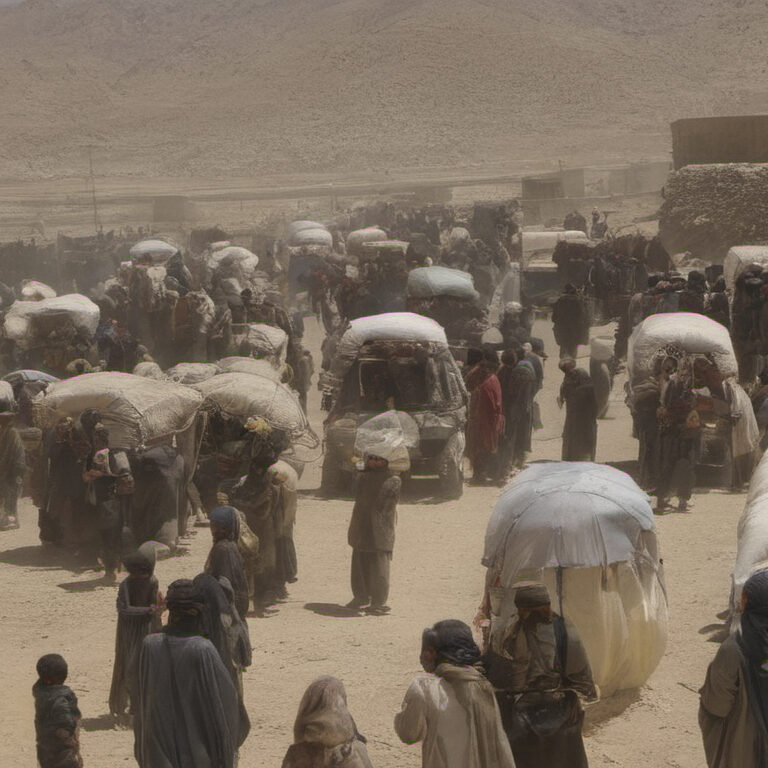
In the midst of this, the issue of Afghan refugees took a new turn with the return of 60,000 secular Afghans who had served occupiers loyally, seeking settlement in the US and Europe. Despite their questionable records, Western powers are advising Pakistan to handle the situation with prudence and humanity, seemingly oblivious to their own actions in other regions.