

































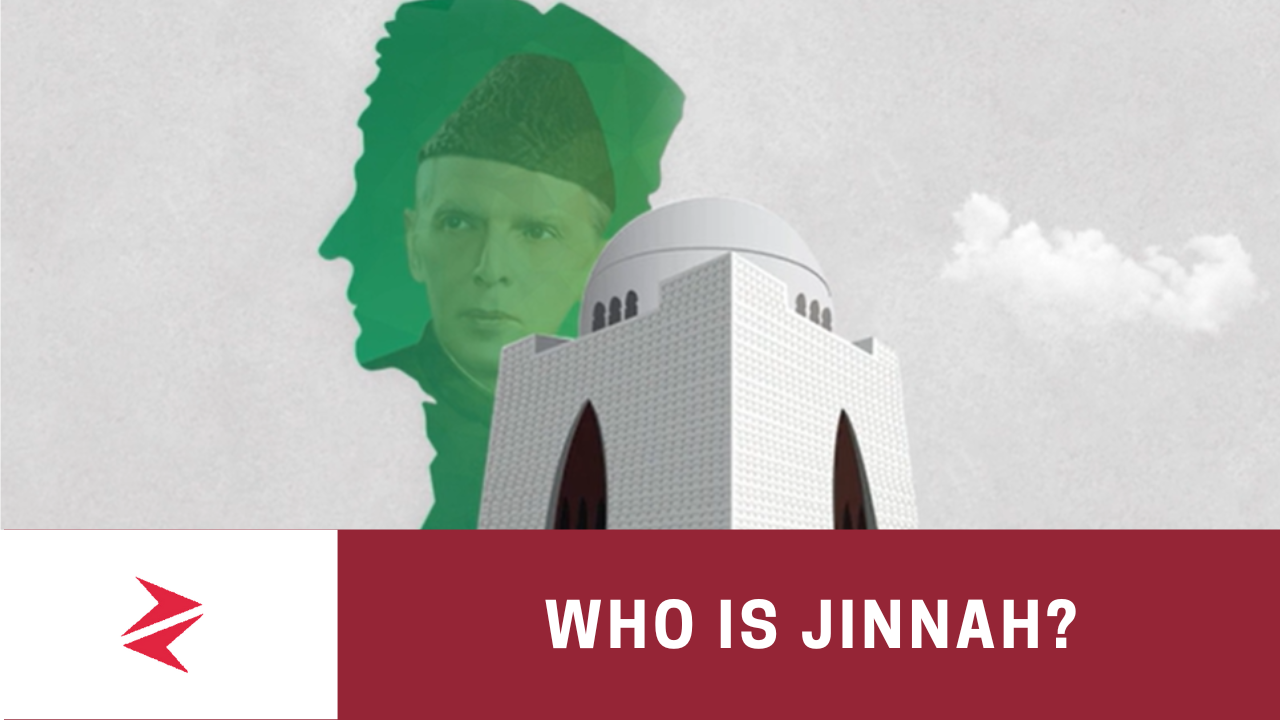
At the age of sixteen, Jinnah’s father sent him to London to study law at Lincoln’s Inn, where he deeply immersed himself in his studies. During this time, he met several Indian politicians, including Dadabhai Naoroji, a prominent member of the Indian National Congress. Jinnah’s exposure to English customs and belief in the effectiveness of parliamentary democracy became his political trademarks.
After returning to India in 1896 as a qualified barrister, Jinnah faced three challenging years before establishing himself as Bombay’s leading Muslim lawyer. Only after securing his legal career did he enter politics. His initial foray was as private secretary to Dadabhai Naoroji during the 1906 Calcutta session of the Congress. Jinnah built crucial connections, particularly with influential leaders like Gopal Krishna Gokhale, and emerged as a prominent Muslim figure in the Congress, often regarded as a future leader.
Until 1913, Jinnah largely avoided the main Muslim political organization, the Muslim League. It was founded in 1906 to protect Muslim political rights and primarily represented the conservative outlook of the Muslim elite in the United Provinces. However, in April 1913, Jinnah assumed leadership of the Muslim League, seeking to align its views with those of the Congress. He orchestrated the 1915 session to coincide with the Congress, and his efforts led to the famous Lucknow Pact of 1916, a rare instance in Indian history where the Muslim League and Congress reached a voluntary agreement on the country’s political future. The Pact granted several safeguards to Muslims, including separate electorates and representation in Legislative Councils where they were a minority. However, despite the optimism it inspired, the Lucknow Pact’s impact on Muslim-Hindu relations was temporary and limited to the political elite.
Jinnah’s fortunes took a turn with the British constitutional reforms of 1919, known as dyarchy. While it provided opportunities for politicians with strong local support, Jinnah, lacking a powerful regional power base, struggled to maintain his influence at the local level. He continued as an independent leader in the Central Assembly, attempting to mediate between powerful local Muslim politicians and the Congress in constitutional negotiations. However, his role diminished, and Mian Fazl-i-Husain, the influential leader from Punjab, gradually assumed greater authority in representing Muslim interests.
In 1931, Jinnah settled in London, intending to retire from politics and focus on his legal career. However, his return was prompted by Nawab Liaqat Ali Khan, his future right-hand man and Premier of Pakistan, who emphasized the Indian Muslims’ need for Jinnah’s experienced leadership. Liaqat’s visit in 1933 was followed by Jinnah’s election as the representative for the Central Legislative Assembly from Bombay in 1934. The 1935 Government of India Act presented him with an opportunity to regain his political influence, and Jinnah returned to Bombay in October 1935. Over the next twelve years, he would ascend to become the Governor-General of an independent Pakistan.