






































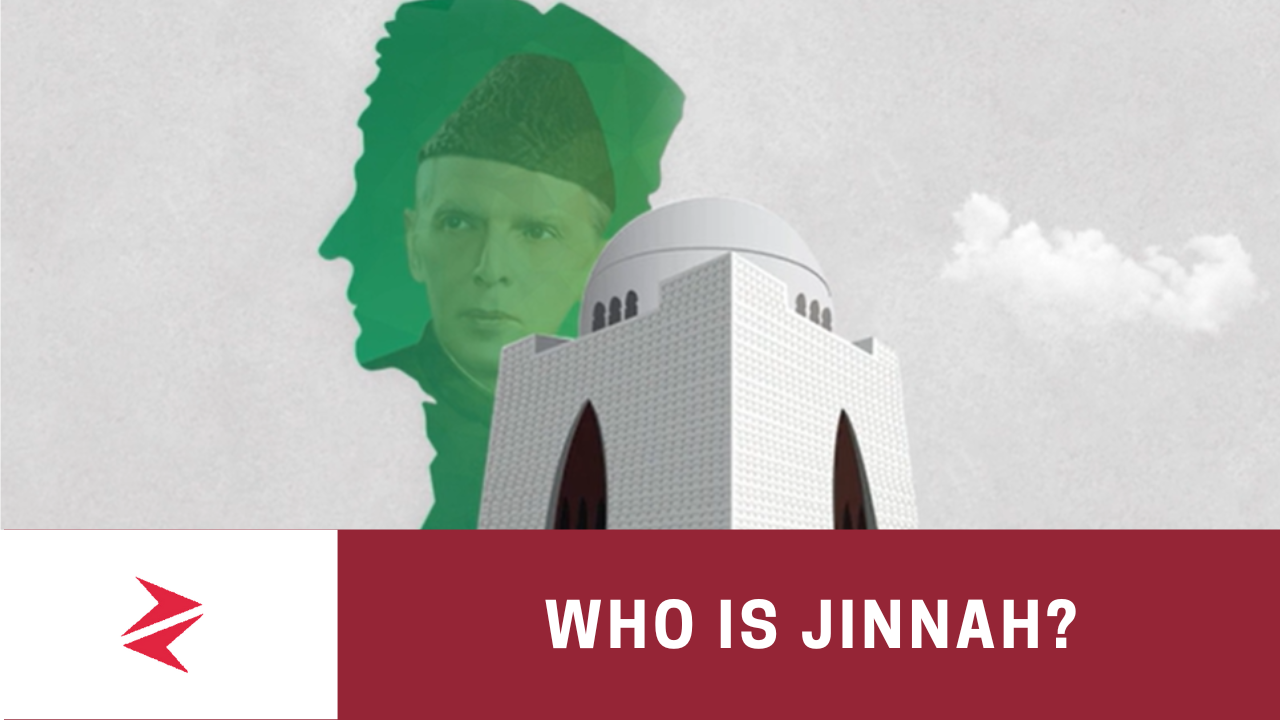
Jinnah’s fortunes took a turn with the British constitutional reforms of 1919, known as dyarchy. While it provided opportunities for politicians with strong local support, Jinnah, lacking a powerful regional power base, struggled to maintain his influence at the local level. He continued as an independent leader in the Central Assembly, attempting to mediate between powerful local Muslim politicians and the Congress in constitutional negotiations. However, his role diminished, and Mian Fazl-i-Husain, the influential leader from Punjab, gradually assumed greater authority in representing Muslim interests.
In 1931, Jinnah settled in London, intending to retire from politics and focus on his legal career. However, his return was prompted by Nawab Liaqat Ali Khan, his future right-hand man and Premier of Pakistan, who emphasized the Indian Muslims’ need for Jinnah’s experienced leadership. Liaqat’s visit in 1933 was followed by Jinnah’s election as the representative for the Central Legislative Assembly from Bombay in 1934. The 1935 Government of India Act presented him with an opportunity to regain his political influence, and Jinnah returned to Bombay in October 1935. Over the next twelve years, he would ascend to become the Governor-General of an independent Pakistan.

Numerous questions surround Jinnah’s role in the Pakistan movement. His transformation from a skilled debater in the Central Legislative Council to the revered Quaid-i-Azam remains intriguing. Did he sow the seeds of Pakistan’s desire within the Muslim community, or was he merely guiding the movement, using his legal prowess to advocate its case to the British and Congress? Did he genuinely believe in the possibility of achieving Pakistan, or was it a tactical bargaining tool to safeguard Muslim rights as British rule drew to a close? Finally, did he control events or was he a mere observer in the tide of an Islamic revolution?
