



































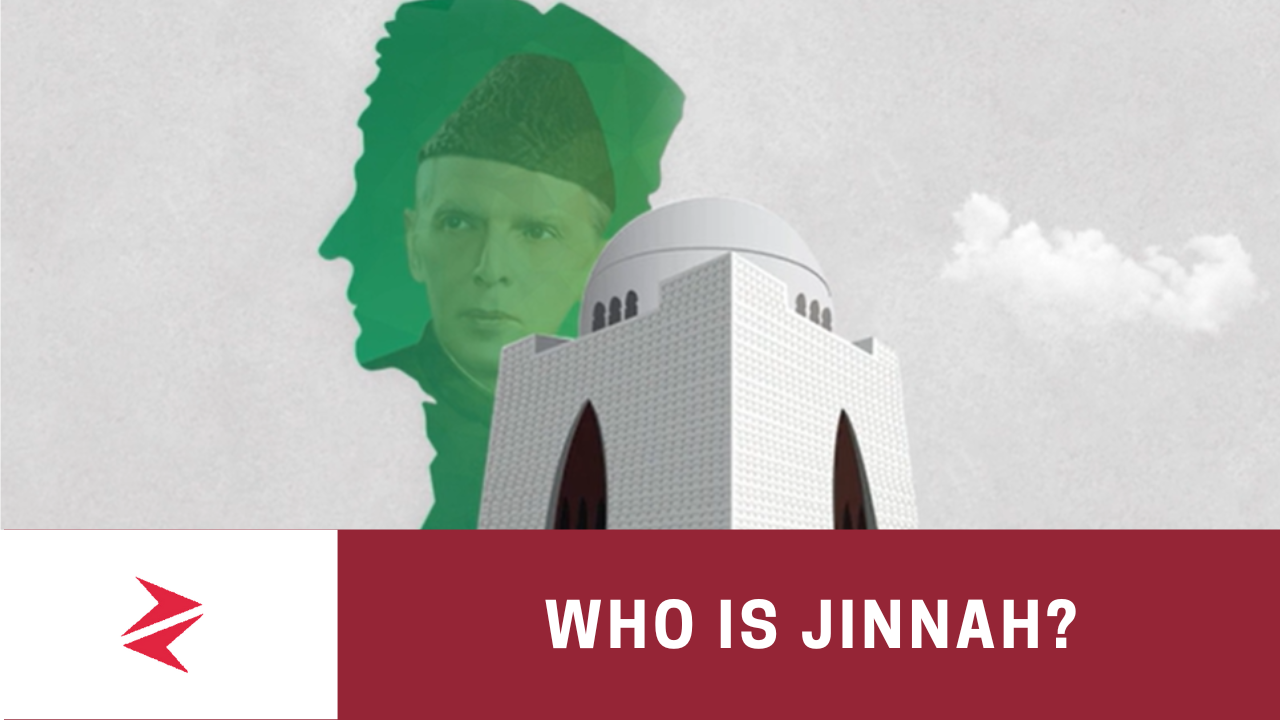
By 1939, the Muslim League’s influence grew significantly due to Congress’ mistakes in the 1937 elections, which allowed the Congress to form governments in seven out of India’s eleven provinces. Many Muslims found themselves under Hindu rule for the first time, as the provincial Congress governments failed to understand and respect their cultural and religious sensitivities. Consequently, the Muslim League’s claim to be the sole protector of Muslim interests gained momentum. The outbreak of World War II further bolstered the Muslim League’s standing, as it received equal recognition with the Congress from the British authorities. The subsequent Cabinet Mission offered India self-government in return for wartime support, conceding, in theory, the future partition of India.
The Muslim League’s rise was not solely due to widespread support for Pakistan; rather, it owed much to local discontents and loyalties. Jinnah purposely kept the concept of Pakistan vague to appeal to all sections of the Muslim community. His relentless political maneuvering led to significant victories for the Muslim League in the 1946 elections, especially in the Punjab. Although the support for Pakistan was affirmed, many votes for the Muslim League were driven by personal loyalty to its candidates rather than an unwavering commitment to Pakistan. In this context, the idea and boundaries of Pakistan were far from clear.
