




































Connect with Zorays

Hi, what are you looking for?

Can Bangladeshi Youth’s National Citizen Party Win the 2026 Election? Reality Check Beyond the Noise

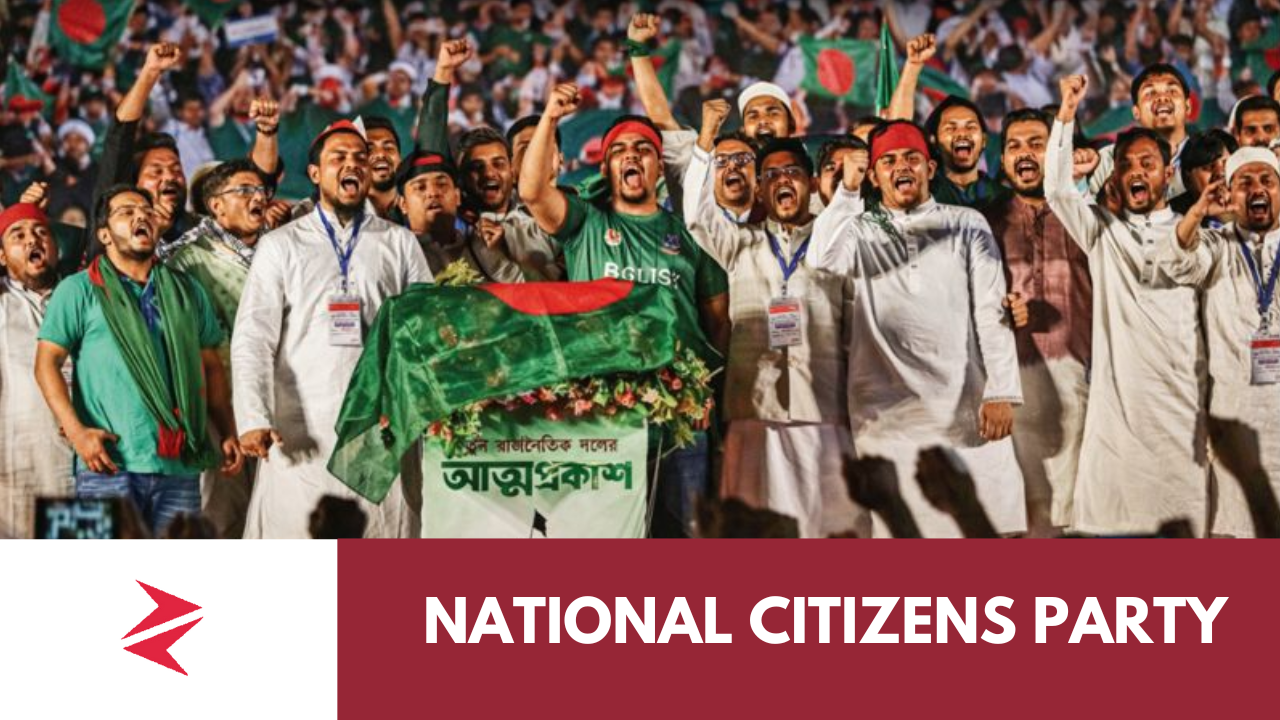
The National Citizen Party (NCP), Bangladesh’s first student-led political party formed from the 2024 anti-discrimination uprising, aims for a discrimination-free nation, reforms, and a new constitution. Facing internal rifts over its 2025 alliance with Jamaat-e-Islami ahead of the February 2026 elections.

NCP rally ahead of 2026 election
  • Thin nationwide organization

  • Inexperienced candidate bench

  • Limited rural machinery

Most credible analyses put the NCP in single-digit vote share territory on its own—enough to matter, not enough to govern.


The Jamaat alliance: arithmetic, not amnesia

On December 28, 2025, the NCP announced a seat-sharing pact with Jamaat-e-Islami. The aim is straightforward: avoid splitting anti-establishment votes in select constituencies.

This has cost the NCP internally—resignations and protests from members who see Jamaat as incompatible with the 2024 uprising’s secular ethos. That backlash matters electorally.

What the math says

  • Jamaat has deep roots in conservative pockets and disciplined voters.

  • Combined, an NCP–Jamaat bloc could plausibly capture 10–20% of seats in a fragmented field.

  • That’s kingmaker territory, not a governing mandate.


Who is still the frontrunner?

Despite the churn, the Bangladesh Nationalist Party (BNP) remains best placed to secure a plurality or majority, under the shadow leadership of Tarique Rahman. Its nationwide network, vote discipline, and muscle memory matter on election day.


Rebutting the “baccha party” narrative

A December 2025 India Today article amplified comments by a Pakistani youth politician threatening missiles if India interfered in Bangladesh—deriding such talk as immature while invoking the 1971 surrender of 93,000 Pakistani troops and alleging a Pakistani “clawback” via Jamaat.

Here’s the grounded counter:

Pages: 1 2 3 4

Pages ( 2 of 4 ): « Previous1 2 34Continue Analysis »
Click to comment

Leave a Reply

Your email address will not be published. Required fields are marked *

You May Also Like

Economy & Markets

How Khaleda Zia’s political legacy, institutional balance, and export-led economics helped stabilize the Bangladeshi Taka—while authoritarian rule collapsed under student-led resistance.

Advertisement

🔥 -- people are active on zorayskhalid.com
Top
Exit mobile version
