





























Connect with Zorays

Hi, what are you looking for?

Business & Startups

Manufacturing in Pakistan: The Cell Phone Example

Pakistan manufactured 31.4M phones in 2024. Why “assembly vs manufacturing” critics misunderstand value addition, global supply chains, and industrial history.

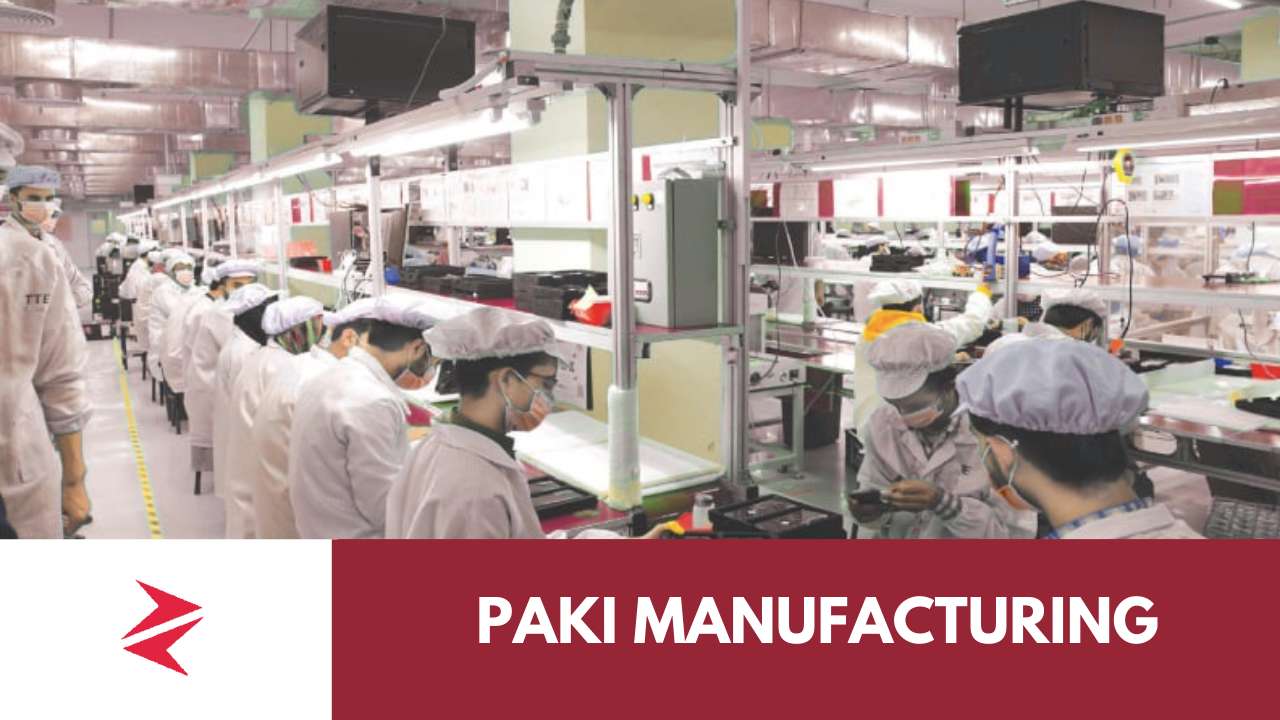
Workers assembling and testing smartphones at a mobile phone manufacturing facility in Pakistan

Why the “assembly vs manufacturing” argument misses the economics, the history, and the data

There is a peculiar intellectual disease that afflicts discourse about Pakistan. No matter what progress is made, someone will argue it does not count. The goalposts move, always just beyond reach. Part of this reflex is performative cynicism — the belief that constant fault-finding signals sophistication. The other part resembles a well-documented psychological pattern: learned helplessness.

Few sectors expose this pathology as clearly as mobile phone manufacturing.

In 2024, Pakistan produced 31.4 million mobile phones, a 47% year-on-year increase, meeting 94% of domestic demand through local manufacturing. In 2016, the same figure was 1%. That is not cosmetic progress. It is a structural transformation of a major consumer-electronics sector.

Yet the immediate response from the purity police is predictable: “But what percentage of local value addition?”

That question reveals more about agenda than about manufacturing economics.


The Value-Addition Trap

Estimates place Pakistan’s local value addition in mobile phone manufacturing between ~8% and ~20%, depending on methodology, as reported by Profit Magazine. Critics dismiss this as “just assembly.”
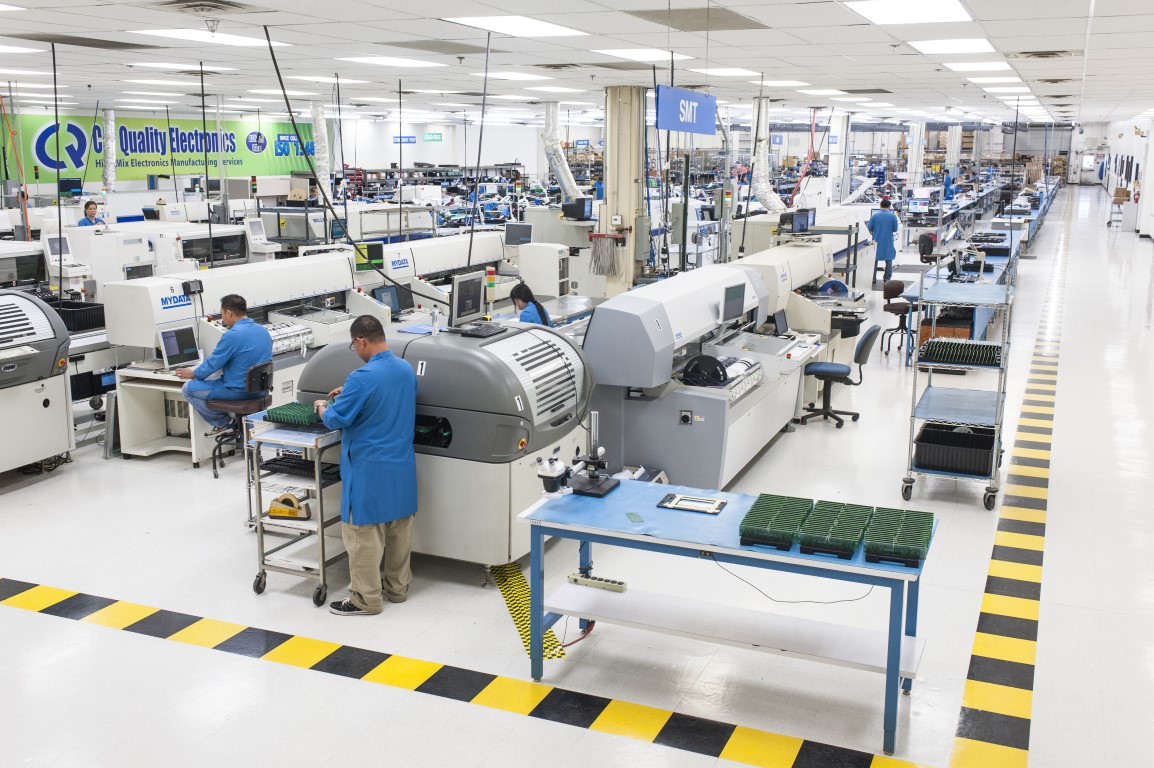
https://www.calquality.com/images/SMT_Assembly.jpg

Apply the same test globally and the argument collapses.

The iPhone, designed by Apple, is manufactured through a supply chain spanning Korea, Japan, Taiwan, China, Vietnam, and India. By the same purity test, the United States does not “manufacture” iPhones. Yet no serious observer disputes Apple’s manufacturing dominance.

Germany “manufactures” Mercedes-Benz and BMW vehicles while sourcing electronics from Asia, transmissions from Eastern Europe, and software from globally distributed teams. Manufacturing ecosystems are not autarkies. They are layered, global systems.

READ:   Dental Care Beyond Dental Floss to Avoid Root Canal

The standard being applied to Pakistan is one no manufacturing nation has ever met at the same stage.


Advertisement. Scroll to continue reading.

Pages: 1 2 3 4 5

Pages ( 1 of 5 ): 1 2345Continue Analysis »
Click to comment

Leave a Reply

Your email address will not be published. Required fields are marked *

You May Also Like

Economy & Markets

Pakistan’s Rs3.65tr early debt retirement: what’s verified, what it changes (risk, costs), and why “printing money” depends on funding sources. Retiring debt is easy...

Business & Startups

What Pakistan’s retail sector can learn from Appliances Online: why delivery, installation, and customer experience now define success.

Sports

Should Pakistan boycott the T20 World Cup 2026? Inside the politics, revenue math, public opinion, and ICC power struggle shaping global cricket.

Sports

Bangladesh insists on Sri Lanka-only T20 World Cup games; ICC refuses. Here’s what “security concerns” mean, and why hybrid models keep returning.

World Affairs

Pakistan joins Trump’s Board of Peace for Gaza, but its structure, leadership, and pay-to-govern model raise deep questions about legitimacy and sovereignty.

Society & Culture

Why luxury wedding fashion—from Nomi Ansari to Sabyasachi—isn’t a moral crime, and what really matters in the Junaid Safdar wedding debate.

Sports

Ali Khan’s visa case and the Usman Khawaja backlash reveal how identity, visas, and politics are reshaping global cricket. Visa politics overshadow the 2026...

Advertisement

🔥 -- people are active on zorayskhalid.com

Top