































Share the post "The Enigmatic Legacy of Quaid-e-Azam: Unraveling the Intricacies of Pakistan’s Founding"

The Muslim community in British India was far from homogenous; they were divided along ethnic, linguistic, and sectarian lines. The main ethnic division was between the descendants of Arab and Turkish invaders and those who descended from indigenous Hindus who converted to Islam. No single language united Indian Muslims; instead, they shared regional languages like Bengali, Punjabi, Gujarati, and Tamil with their Hindu neighbors. Internal strife between the Sunni and Shia sects further impeded Muslim unity. Additionally, economic interests often aligned Muslims with their Hindu counterparts, especially in regions like Punjab and United Provinces, where the Muslim and Hindu populations were in relative balance. As elected councils and assemblies were introduced, Muslims in regions like Punjab and Bengal, where they were the majority, had different political priorities and interests compared to areas like United Provinces, where they were a minority. In such circumstances, Jinnah’s ability to unite Muslims behind the demand for Pakistan in the 1940s was a remarkable feat.
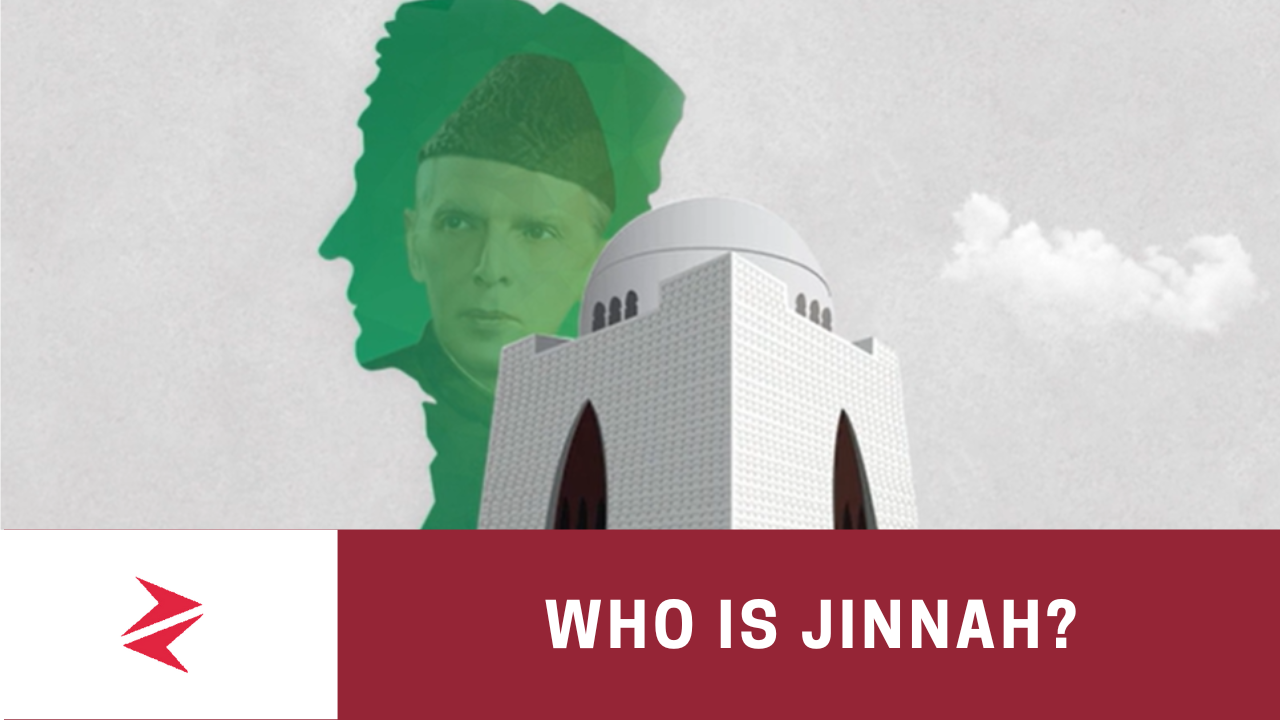
Jinnah’s journey remains an enigma, shrouded in controversy. Despite starting his career as a respected leader in the Indian National Congress, he later became its staunchest opponent. Interestingly, while he was not a devout Muslim, he advocated for Pakistan in the name of Islam. Although he lacked fluency in most Indian Muslim languages, he captivated millions during the Pakistan campaign.
The details of Jinnah’s family background and character are as mysterious as his political motivations and success. Born into a merchant family of recent converts to Islam in Karachi, little is known about his early life. Even his birth date remains uncertain, though he always maintained it was on Christmas Day, 1876. Throughout his life, Jinnah remained distant and inscrutable, rarely revealing his true self in public or private settings. The final Viceroy of India, Lord Mountbatten, found greater comfort in the sociable Jawaharlal Nehru, Jinnah’s leading Congress Party adversary, than in Jinnah. Their meetings early in April 1947 were often frustrating, leading Mountbatten to describe Jinnah as a “psychopathic case” after one seemingly unresponsive discussion.