

















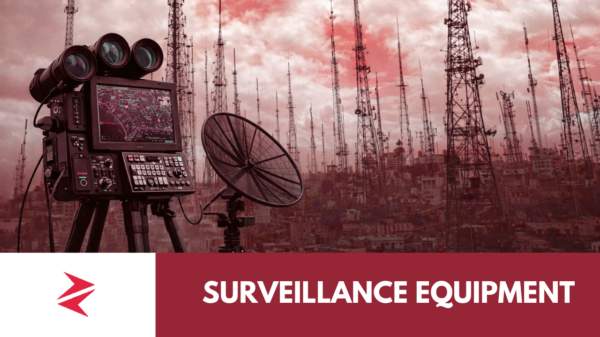























This centralization of data operations marks a concerning development in the surveillance landscape, as it potentially increases the efficiency and scope of the PTA’s monitoring capabilities. The implications for privacy and digital freedom in Pakistan are profound and will be explored further in subsequent discussions.
The Pakistan Telecommunication Authority (PTA) is actively using the controversial Web Monitoring System (WMS) to block access to certain online applications and websites across the country. This system enables the PTA to filter and restrict content it considers inappropriate, further intensifying debates around censorship, digital rights, and the limits of governmental control over the internet in Pakistan.
In my analysis, it appears that Pakistan’s spy agencies have been using Predator spyware for quite some time, as corroborated by recent leaks. The New York Times also reported on a leaked Intellexa/Predator proposal, revealing a staggering price tag—€13 million for deploying this software on just 20 devices. Given this scale, a country-wide deployment could easily cost hundreds of millions of euros, suggesting a significant financial and operational commitment to widespread surveillance.
