Deep Packet Inspection (DPI): Challenges and Solutions
Deep Packet Inspection (DPI) is a technique used to analyze and intercept data packets as they traverse the internet. While DPI on unencrypted HTTP traffic is relatively straightforward, the rise of HTTPS encryption presents a significant challenge for surveillance efforts.
DPI on Unencrypted (HTTP) Traffic
DPI on HTTP traffic is less complex because the data is not encrypted. This allows for easy inspection of the content of each packet, enabling agencies to monitor, analyze, and potentially manipulate the data being transmitted.
DPI on Encrypted (HTTPS) Traffic
The shift to HTTPS across websites globally has significantly increased privacy and security. HTTPS encrypts the data being transmitted, making it much harder for third parties to access or inspect the content of these communications. This encryption presents a major obstacle for DPI, as agencies cannot easily read or analyze encrypted data.
PTA’s Dilemma and Response
Given the widespread use of HTTPS and other encryption methods, the PTA faces a substantial challenge. Here’s how they might be addressing this issue:
Inability to Decipher Encrypted Content: The PTA’s ability to perform DPI is greatly diminished when faced with encrypted traffic, such as communications on WhatsApp or other secure platforms. Without the encryption keys, decrypting this data is nearly impossible.
Malicious Spyware Deployment: To overcome the limitations posed by encryption, there is a growing reliance on deploying malicious spyware directly onto devices. This approach bypasses encryption by allowing the spyware to access data before it is encrypted or after it has been decrypted by the user’s device.
The need to install spyware on every device highlights a strategic shift from network-level monitoring to device-level infiltration. This method ensures that even encrypted communications can be accessed, making it a potent tool for comprehensive surveillance despite the challenges posed by encryption.
Zero-Click Spyware: The Next Level of Espionage
Zero-Click Spyware represents a highly sophisticated and invasive method of surveillance, where spyware is installed on a device without any interaction or awareness from the user. This technique is particularly concerning due to its stealth and effectiveness.
How Zero-Click Spyware Works
Exploiting Vulnerabilities: Zero-Click spyware often leverages vulnerabilities in device software or web protocols. By exploiting these weaknesses, the spyware can be installed silently, without requiring any action from the user.
Automatic Installation: The spyware may be delivered through various means, such as malicious websites or through compromised network infrastructure. Once the device accesses these sources, the spyware is installed automatically.
Invisible to the User: Since no user interaction is required, the target remains unaware of the spyware’s presence. This allows for continuous and discreet monitoring of communications, data, and activities.
Connection to Recent Telecom Network Injection
The recent disruptions in Pakistan’s telecom networks could potentially be linked to the deployment of Zero-Click spyware. Here’s how these events might be related:
Network-Level Exploits: If the telecom network has been compromised, it could be used to deploy spyware directly to devices connected to the network. This aligns with the hypothesis that the recent disruptions are not just technical failures but part of a broader espionage strategy.
Enhanced Surveillance Capabilities: The ability to silently install spyware without user interaction would significantly enhance surveillance capabilities, making it possible to monitor encrypted communications and other secure data without needing to bypass encryption directly.
Exposing the Trickery
Unveiling Zero-Click spyware involves highlighting the methods and technologies used to exploit vulnerabilities:
Detailed Technical Analysis: Investigating how these vulnerabilities are exploited and the techniques used for automatic spyware installation is crucial for understanding and mitigating these threats.
Public Awareness and Advocacy: Raising awareness about the existence and risks of Zero-Click spyware helps individuals and organizations take preventive measures and advocate for stronger security measures.
Overall, Zero-Click spyware represents a significant threat due to its ability to bypass user defenses and operate unnoticed. The recent network issues in Pakistan may indeed be indicative of such advanced surveillance tactics in play.
To protect your privacy and safeguard against potential spyware, here are crucial steps you should follow:
Strictly Use a VPN All the Time: A Virtual Private Network (VPN) encrypts your internet traffic, making it difficult for anyone, including government agencies, to monitor your online activities. This helps to mask your IP address and protect your data from interception.
Strictly Use Secure DNS Servers: Employing secure DNS servers like Cloudflare’s 1.1.1.1 enhances your privacy by preventing your DNS queries from being monitored or manipulated. This adds an extra layer of security to your internet usage.
Keep Your Phone and Apps Updated: Regular updates for your phone’s operating system and apps are essential for maintaining security. Updates often include patches for known vulnerabilities, reducing the risk of exploitation by malware or spyware.
These practices, combined with awareness of emerging threats like Zero-Click spyware, can significantly improve your online security and privacy.
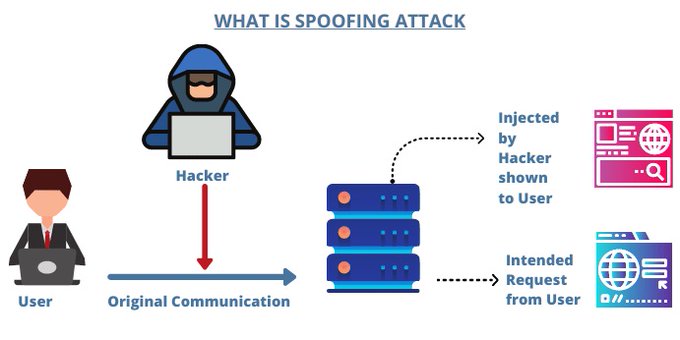
SSL Spoofing and advanced network surveillance techniques pose significant risks to personal privacy. While these attacks are complex and evolving, implementing strong security measures, such as using a VPN, keeping your software updated, and practicing cautious online behavior, can significantly enhance your protection against such threats.
For further technical details on surveillance products and techniques, refer to Amnesty International’s report on Intellexa’s surveillance tools here.
By staying informed and proactive, you can safeguard your digital privacy and reduce the risk of falling victim to sophisticated surveillance methods.
Suspicions of PTA Listening to Encrypted Traffic
Recent events and internet throttling in Pakistan may point to an escalation in surveillance activities, potentially involving advanced techniques to monitor encrypted traffic. Here’s how the situation and recent developments might suggest that the PTA is attempting to intercept HTTPS encrypted data:
Observations from Recent Internet Throttling
Severe Internet Throttling: The internet throttling experienced in Pakistan over the past few weeks, as reported by Bytes For All, has raised concerns. Such widespread and severe throttling can strain network infrastructure, leading to increased connection error timeouts and packet losses.
Overburdened Systems: The connection errors and packet losses reported during this period could indicate that the PTA’s surveillance systems, possibly involved in Deep Packet Inspection (DPI) of HTTPS traffic, were under significant stress. This strain might be due to the large volume of encrypted data being intercepted and analyzed, or it could reflect a failed or malfunctioning monitoring system.
Connection Errors and Timeouts: If the PTA’s systems are overloaded or malfunctioning, users may experience frequent connection errors and timeouts. This could be a sign that the surveillance infrastructure is struggling to handle the volume of encrypted traffic being monitored.
Increased Packet Loss: Elevated packet loss rates during periods of throttling could indicate that DPI systems are either struggling to keep up with the data flow or are encountering issues in processing the encrypted content.
Possible Use of Black-Hat Techniques
The suspicion that the PTA might be using black-hat techniques or unauthorized software for espionage is supported by several factors:
Advanced Surveillance Tools: The deployment of advanced surveillance tools and techniques, such as those for intercepting encrypted HTTPS traffic, often involves sophisticated and sometimes illicit software. The use of such tools could lead to the observed network issues.
Overburdened Monitoring Systems: The reported performance issues and throttling might suggest that the PTA is deploying extensive monitoring systems to intercept encrypted communications, placing additional load on network resources.
The recent internet throttling, connection errors, and packet losses in Pakistan could be indicative of the PTA’s attempts to monitor HTTPS encrypted traffic. If their surveillance infrastructure is indeed being overwhelmed, it may suggest a significant effort to implement Deep Packet Inspection, possibly using advanced or unauthorized tools.
What Happened on WhatsApp?
The issues observed with WhatsApp in Pakistan—specifically with voice notes, images, and videos not downloading—reflect a deeper problem likely related to network management and potential surveillance tactics. Here’s a detailed breakdown of the situation:
Advertisement. Scroll to continue reading.
Observations and Issues
Timeouts and Packet Losses: Users across Pakistan experienced frequent timeouts and packet losses when attempting to download voice notes, images, and videos on WhatsApp. This disruption was notable and affected the ability to communicate effectively using media files.
Seamless VPN Connections: Interestingly, when users connected through a VPN, these issues were mitigated, and media files were downloaded seamlessly. This suggests that the problem might be related to the local network infrastructure or surveillance mechanisms affecting non-encrypted traffic.
Text Messages Filtering Through: Text messages, which are of smaller packet sizes compared to media files, were delivered with considerable delays. Despite the network issues, the app’s automatic retry mechanism allowed some text messages to be eventually delivered, albeit after significant delays.
Public Frustration: The widespread and persistent nature of these issues led to considerable frustration among users. The inability to send or receive media files effectively, combined with delays in text messages, created a noticeable public outcry.
Potential Causes
Network Congestion and Throttling: The problems with WhatsApp could be attributed to network congestion or throttling, particularly affecting larger data packets. The throttling might be more pronounced for media files compared to text messages, leading to timeouts and packet losses.
Deep Packet Inspection (DPI): The issues could also be related to DPI mechanisms being used by the PTA. If DPI systems are overburdened or malfunctioning, they might disrupt the delivery of larger encrypted packets, such as media files, while still allowing smaller text messages to pass through intermittently.
Surveillance and Filtering: There could be an attempt to filter or intercept encrypted traffic, affecting media file transfers but not text messages. This filtering might be a part of a broader strategy to monitor or restrict specific types of content.
The situation with WhatsApp in Pakistan indicates a complex interaction between network management practices, potential surveillance tactics, and technical issues. The fact that VPNs bypassed these problems suggests that local network or surveillance mechanisms are impacting WhatsApp’s performance. The widespread frustration among users highlights the need for transparency and effective resolution of such disruptions.
Flydubai’s reported Tabuk landing raises questions about emergency codes, conflicting fight claims, Pakistan’s Saudi ties and Israeli military airspace access.
Bilal Bin Saqib’s photo with Sam Altman sparked claims of an AI breakthrough. Pakistan deserves the meeting record, concrete commitments and a credible energy...