













































This isn’t just speculation; the reported figures hint at the extensive reach and impact such surveillance capabilities could have within Pakistan. The financial investment alone underscores the seriousness with which these tools are being employed, raising concerns about the extent of monitoring and the implications for civil liberties.

Technology & AI
Fiber Wall or Firewall – A Comprehensive Guide: Understanding and Protecting Against SSL Spoofing and Network Surveillance
What is network surveillance and why should this matter to you?
A week ago, internet users across Pakistan encountered significantly reduced speeds, particularly when accessing the web through telecom networks. Despite widespread frustration, the government maintained complete silence, neither acknowledging nor addressing the potential causes of this disruption. The absence of any official explanation only deepened concerns.
While peaceful, law-abiding citizens may feel they have nothing to hide, the growing surveillance capabilities in Pakistan pose a real threat to personal privacy. The government’s enhanced ability to monitor and access private messages, photos, and personal data could open the door to misuse, including potential blackmail. This escalation in surveillance not only threatens the privacy of individuals but also raises serious questions about the balance of power between the state and its citizens.
The firewall Should be at Layer 7 not 6

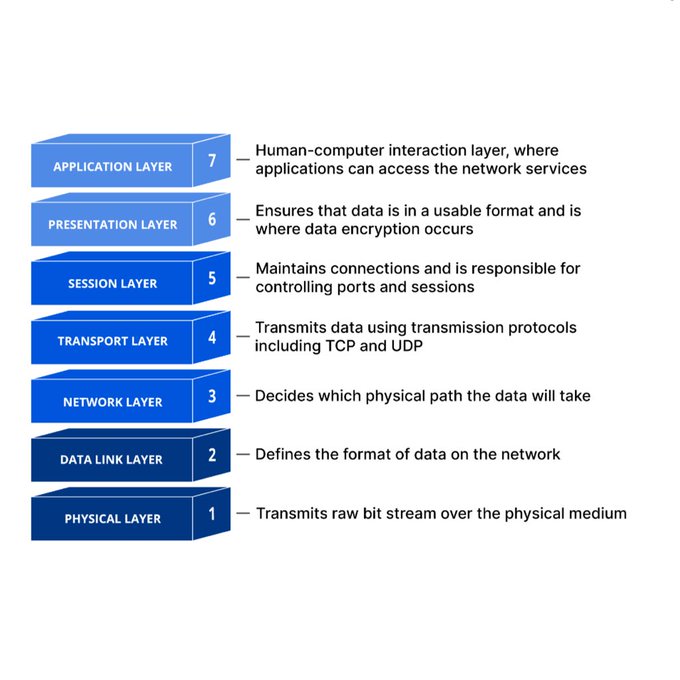
After being constrained by the limitations of the Man-on-the-Side (MoTS) strategy, which primarily allows passive observation of data, Pakistan’s spying agencies are likely looking to step up their game. To effectively intercept encrypted traffic, they may now be turning to a more invasive tactic: Man-in-the-Middle (MiTM).
Understanding Man-in-the-Middle (MiTM)
The Man-in-the-Middle (MiTM) strategy is far more aggressive than MoTS. In this approach, the spying agency positions itself directly between your device and the internet, often within the infrastructure of Internet Service Providers (ISPs). By doing so, they can intercept, alter, or even redirect your internet traffic. This method is not just about observing data as it flows by but actively engaging with it, allowing the agency to potentially decrypt secure communications, inject spyware, or manipulate the data stream to serve their purposes.
1-Click & Zero-Click Spyware
To enhance their surveillance capabilities, agencies may also deploy 1-click or Zero-click spyware:
- 1-Click Spyware: Requires the target to click on a link or download a file to activate the spyware. This approach is more traditional and relies on social engineering tactics to trick the user into initiating the attack.
- Zero-Click Spyware: Far more sophisticated, this type of spyware doesn’t require any interaction from the target. It can exploit vulnerabilities in the device’s software to gain access silently. This makes it particularly dangerous, as the user may have no indication that their device has been compromised.
Implications for Privacy
The shift from MoTS to MiTM, combined with the deployment of advanced spyware, represents a significant escalation in surveillance tactics. It allows agencies not just to observe but to actively manipulate the data, potentially bypassing encryption and accessing private communications without the user’s knowledge. This strategy, commonly used in other countries, could severely undermine digital privacy in Pakistan.
Understanding SSL Spoofing (HTTPS Hijacking)
SSL Spoofing is a sophisticated attack where attackers intercept and manipulate encrypted traffic between a user’s browser and a website. Here’s how it works:
- Accessing a Secure Site:
- You attempt to visit a secure website (e.g.,
https://xyz.com), expecting a secure connection.
- You attempt to visit a secure website (e.g.,
- Browser Expectations:
- Your browser expects a secure and encrypted connection with a valid SSL/TLS certificate.
- Interception by Attacker:
- An attacker, such as a government agency controlling network infrastructure, intercepts the connection. They might redirect traffic to an unencrypted HTTP page.
- Redirection to Unencrypted Page:
- During this brief redirection to an HTTP page, malware or spyware can be injected into your device using zero-click exploits, which don’t require user interaction.
- Vulnerabilities:
- Modern browsers warn users about unencrypted HTTP sites. However, outdated systems may be more vulnerable to such attacks.




You May Also Like



World Affairs
Pakistan and India trade blame after a naval collision near Oman as recycled footage, disputed damage claims and treaty questions flood social media.


Technology & AI
Pakistan’s D-248, S-369, Nimbus2K and HiMark-25 challenge India’s drone ambitions—but displayed models and flight tests demand different conclusions.


Economy & Markets
Why the “Straits Taylor Rule” went viral, what it gets right about oil shocks, and why Pakistan cannot interest-rate-hike energy insecurity.


Society & Culture
S. Zaheeruddin Ahmed leads Arey Wah!, an upcoming Pakistani web series produced by Marriam Mustafa, bringing agency chaos to the screen.


Energy & Environment
A proposed US diesel export ban exposes Britain’s reliance on imported fuel. Here is what the refinery data show and why Pakistan should pay...


World Affairs
Flydubai’s reported Tabuk landing raises questions about emergency codes, conflicting fight claims, Pakistan’s Saudi ties and Israeli military airspace access.


Technology & AI
Bilal Bin Saqib’s photo with Sam Altman sparked claims of an AI breakthrough. Pakistan deserves the meeting record, concrete commitments and a credible energy...
