








































Connect with Zorays

Hi, what are you looking for?

Technology & AI

Fiber Wall or Firewall – A Comprehensive Guide: Understanding and Protecting Against SSL Spoofing and Network Surveillance

Fire Wall

The firewall Should be at Layer 7 not 6

Image

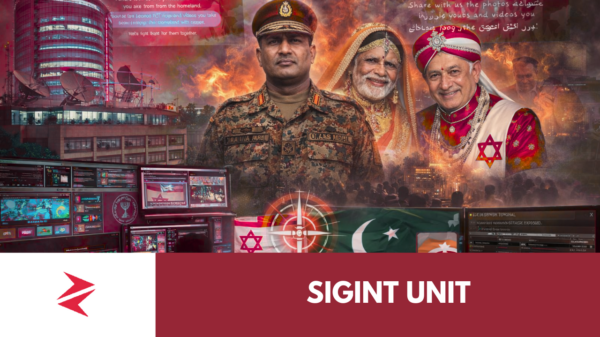
After being constrained by the limitations of the Man-on-the-Side (MoTS) strategy, which primarily allows passive observation of data, Pakistan’s spying agencies are likely looking to step up their game. To effectively intercept encrypted traffic, they may now be turning to a more invasive tactic: Man-in-the-Middle (MiTM).

Understanding Man-in-the-Middle (MiTM)

The Man-in-the-Middle (MiTM) strategy is far more aggressive than MoTS. In this approach, the spying agency positions itself directly between your device and the internet, often within the infrastructure of Internet Service Providers (ISPs). By doing so, they can intercept, alter, or even redirect your internet traffic. This method is not just about observing data as it flows by but actively engaging with it, allowing the agency to potentially decrypt secure communications, inject spyware, or manipulate the data stream to serve their purposes.

1-Click & Zero-Click Spyware

To enhance their surveillance capabilities, agencies may also deploy 1-click or Zero-click spyware:

  • 1-Click Spyware: Requires the target to click on a link or download a file to activate the spyware. This approach is more traditional and relies on social engineering tactics to trick the user into initiating the attack.
  • Zero-Click Spyware: Far more sophisticated, this type of spyware doesn’t require any interaction from the target. It can exploit vulnerabilities in the device’s software to gain access silently. This makes it particularly dangerous, as the user may have no indication that their device has been compromised.

Implications for Privacy

The shift from MoTS to MiTM, combined with the deployment of advanced spyware, represents a significant escalation in surveillance tactics. It allows agencies not just to observe but to actively manipulate the data, potentially bypassing encryption and accessing private communications without the user’s knowledge. This strategy, commonly used in other countries, could severely undermine digital privacy in Pakistan.

READ:   [Pakistani Rupee To USD] How High Will Pakistani Rupee Appreciate In Exchange With US Dollars?

Understanding SSL Spoofing (HTTPS Hijacking)

SSL Spoofing is a sophisticated attack where attackers intercept and manipulate encrypted traffic between a user’s browser and a website. Here’s how it works:

  1. Accessing a Secure Site:
    • You attempt to visit a secure website (e.g., https://xyz.com), expecting a secure connection.
  2. Browser Expectations:
    • Your browser expects a secure and encrypted connection with a valid SSL/TLS certificate.
  3. Interception by Attacker:
    • An attacker, such as a government agency controlling network infrastructure, intercepts the connection. They might redirect traffic to an unencrypted HTTP page.
  4. Redirection to Unencrypted Page:
    • During this brief redirection to an HTTP page, malware or spyware can be injected into your device using zero-click exploits, which don’t require user interaction.
  5. Vulnerabilities:
    • Modern browsers warn users about unencrypted HTTP sites. However, outdated systems may be more vulnerable to such attacks.

Spyware Deployment Strategy: Understanding the Vectors

When it comes to espionage on the internet, the strategies used can be complex and multifaceted. The methods range from the basic physical hacking of devices to more sophisticated approaches like infiltrating the internet backbone to deploy malware or intercept communications. Two primary vectors are commonly employed in such operations:

  1. Man-on-the-Side (MoTS)
  2. Man-in-the-Middle (MiTM)

Understanding Man-on-the-Side (MoTS)

The Man-on-the-Side (MoTS) strategy is particularly subtle and insidious. As the name suggests, it involves a spying agency quietly monitoring the flow of data across networks—essentially acting as a passive observer. In this scenario, the agency doesn’t directly interfere with the communication between the user and the destination server. Instead, they simply watch the data as it passes through the network, copying it to their own server farms for further analysis, including deep packet inspection.

READ:   The Controversial Legacy of Sultan Bashiruddin Mahmood in Pakistan's Nuclear Program

Pages: 1 2 3 4 5 6 7 8 9 10 11 12 13 14 15 16

Click to comment

Leave a Reply

Your email address will not be published. Required fields are marked *

You May Also Like

Opinions

Pakistan cuts wheeling charges by Rs 4.04/unit and lowers export refinance rates to 4.5%. What changed, what didn’t, and why it matters.

Business & Startups

Pakistan manufactured 31.4M phones in 2024. Why “assembly vs manufacturing” critics misunderstand value addition, global supply chains, and industrial history.

Economy & Markets

Pakistan’s Rs3.65tr early debt retirement: what’s verified, what it changes (risk, costs), and why “printing money” depends on funding sources. Retiring debt is easy...

Business & Startups

What Pakistan’s retail sector can learn from Appliances Online: why delivery, installation, and customer experience now define success.

Sports

Should Pakistan boycott the T20 World Cup 2026? Inside the politics, revenue math, public opinion, and ICC power struggle shaping global cricket.

Sports

Bangladesh insists on Sri Lanka-only T20 World Cup games; ICC refuses. Here’s what “security concerns” mean, and why hybrid models keep returning.

World Affairs

Pakistan joins Trump’s Board of Peace for Gaza, but its structure, leadership, and pay-to-govern model raise deep questions about legitimacy and sovereignty.

Advertisement

🔥 -- people are active on zorayskhalid.com

Top