

































The upside (why markets cheer)
-
Currency stability: FX inflows smooth volatility.
-
Reserve cover: Improves import financing and debt optics.
-
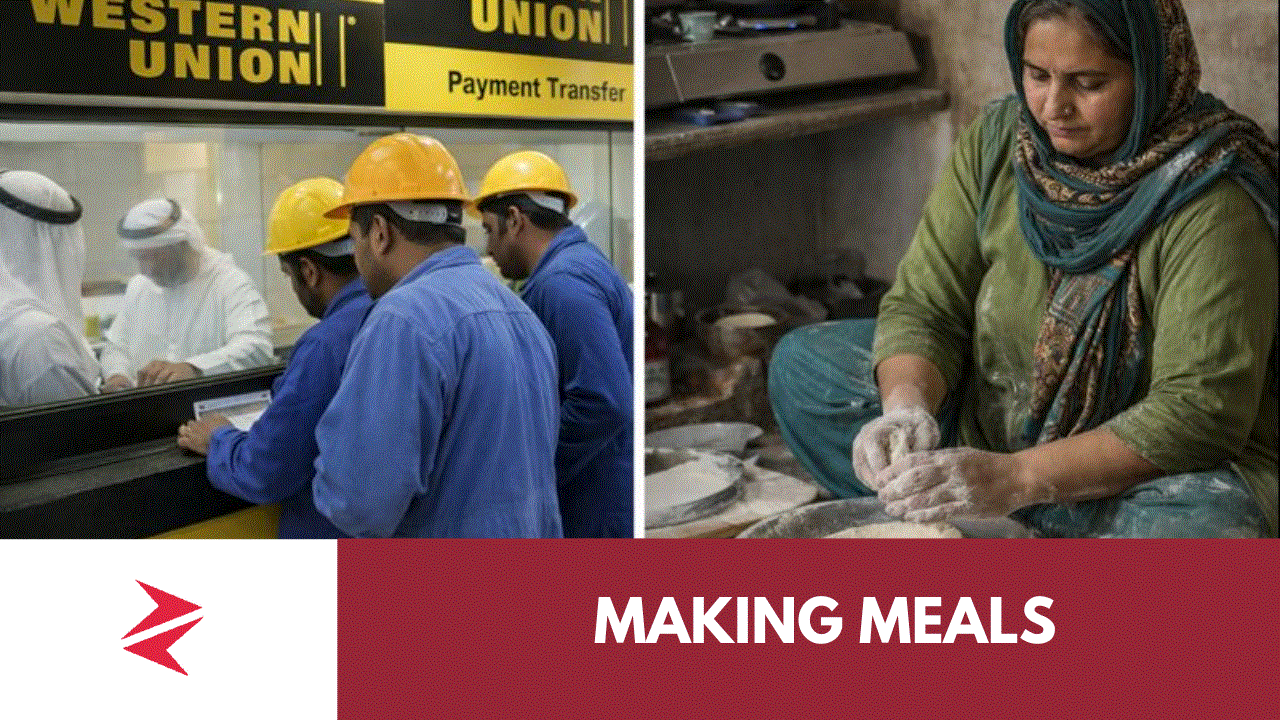
Household resilience: Rural incomes (KP, Punjab) see material support.
-
Counter-cyclical buffer: Remittances often rise when domestic growth falters.
The risk (why economists worry)
Remittances can plug the current-account gap, but they can also delay hard reforms:
-
Trade policy inertia: High tariffs and para-tariffs protect inefficient sectors.
-
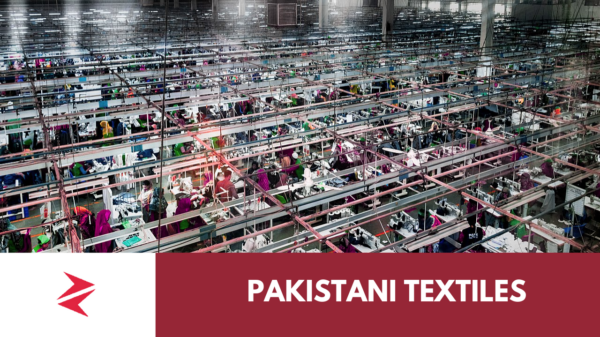
Export concentration: Low value-added goods dominate; diversification stalls.
-
Manufacturing stagnation: Imports rose ~8% YoY while output lagged—masking competitiveness gaps.
-
Chronic imbalance: Pakistan has lived with a 5–7% of GDP trade gap for much of the past decade.
Bottom line: Remittances stabilize the present but can postpone the future if treated as a substitute for export competitiveness.
What “trade reform” actually means (plain English)
-
Tariff rationalization: Cut cascading duties that tax exporters’ inputs.
-
Export diversification: Move beyond textiles into engineering goods, agri-processing, IT services.
-
Logistics & energy costs: Fix ports, customs, and power pricing that erode margins.
-
FX neutrality: Reduce multiple-rate distortions that penalize exporters.
-
Firm-level productivity: Skills, technology adoption, and scale incentives.
These are painful—but unavoidable.
How Pakistan compares with India
-
Scale: India consistently leads the world with $110–125 bn+ annually, dwarfing Pakistan’s totals.
-
Composition: India pairs remittances with robust services exports (IT, business services), reducing dependence risk.
-
Policy lesson: Remittances work best alongside export growth—not instead of it.
