




































What “trade reform” actually means (plain English)
-
Tariff rationalization: Cut cascading duties that tax exporters’ inputs.
-
Export diversification: Move beyond textiles into engineering goods, agri-processing, IT services.
-
Logistics & energy costs: Fix ports, customs, and power pricing that erode margins.
-
FX neutrality: Reduce multiple-rate distortions that penalize exporters.
-
Firm-level productivity: Skills, technology adoption, and scale incentives.
These are painful—but unavoidable.
How Pakistan compares with India
-
Scale: India consistently leads the world with $110–125 bn+ annually, dwarfing Pakistan’s totals.
-
Composition: India pairs remittances with robust services exports (IT, business services), reducing dependence risk.
-
Policy lesson: Remittances work best alongside export growth—not instead of it.
The verdict
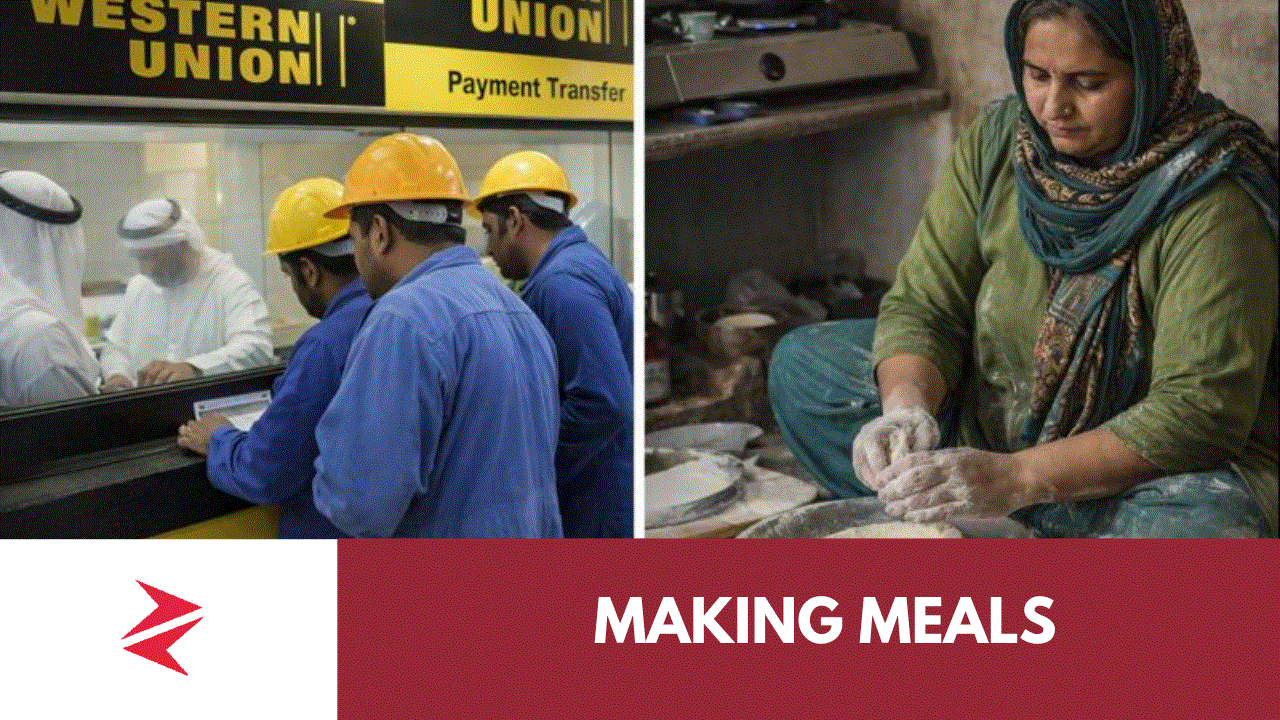
December’s $3.6 bn is a genuine achievement. It buys time, steadies the macro picture, and supports millions of households. But time is only valuable if it’s used. Without decisive trade and productivity reforms, Pakistan risks locking itself into a cycle where foreign labour income papers over domestic competitiveness.
Remittances should be a bridge—not a destination.


