




































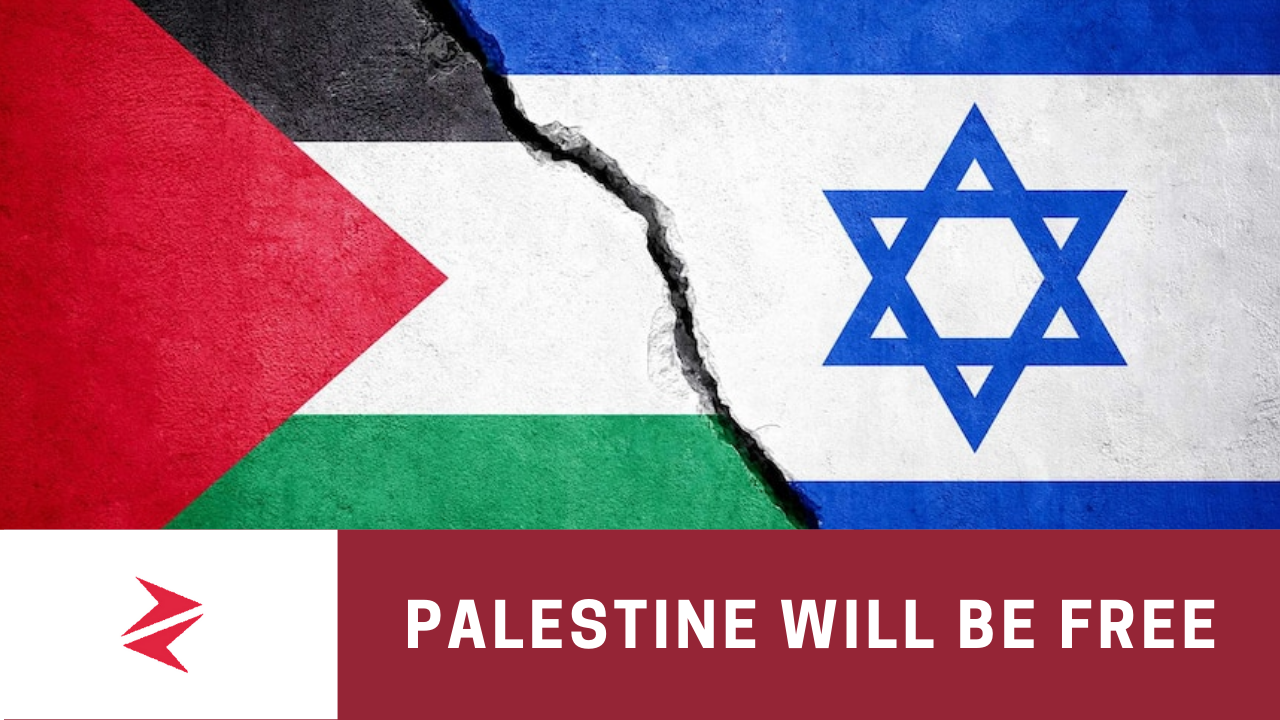
On May 14, 1948, Israeli leaders convened at the Tel Aviv Museum and declared the termination of the British Mandate. The establishment of the state of Israel was acknowledged by both the United States of America and the Soviet Union.
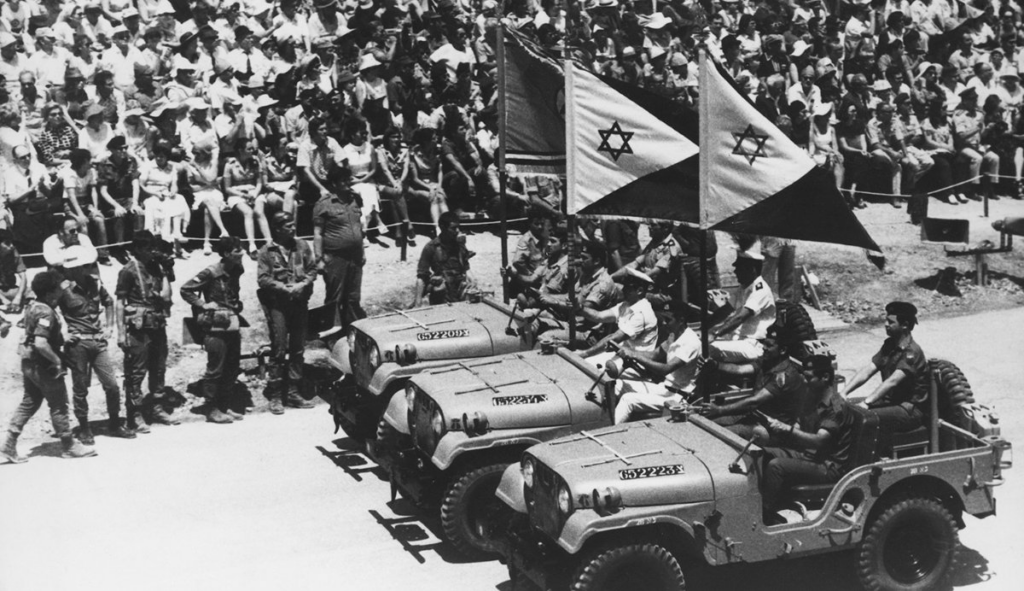
The 1948 War saw numerous Arab nations reject the perceived unjust occupation and partition of Palestine by the United States. Israel emerged victorious in several conflicts with the support of America, acquiring territories larger than those initially sanctioned by the United States.
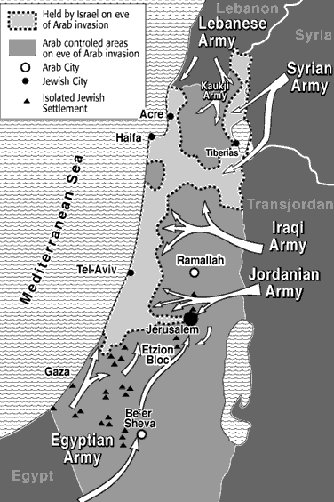
Numerous armed and unarmed Palestinian organizations emerged with a singular demand: the liberation of their state, which they believed had been unjustly divided and occupied.
The Palestinian people face daily and systematic violations. There are over 100 thousand registered martyrs, with an uncounted number potentially twice as high. The death toll exceeds a million. These attacks affect various aspects of life, including education, healthcare, and essential supplies that are frequently disrupted. There are also violations of religious sanctities, with provocations occurring on all occasions and holidays.
Israel, contrary to its claims of seeking peace, shows no intention of granting Palestinians peace. It also doesn’t appear inclined to establish a Palestinian state adjacent to its own, as the UN suggests. The Palestinian territory is diminishing daily while areas under Israeli occupation continue to expand.
- People’s will and desire to end occupation should not be underestimated.
- Israel’s original purpose was to end its occupation and settlement expansion.
- International governments were supposed to provide accountability, but this has not been effectively implemented.
- It’s important not to equate the occupier and the occupied, as this is not a conflict between equals.
- Israel’s military doctrine has historically involved fighting civilians.
- The focus should be on how to break the cycle of violence, rather than seeking condemnations.
- The interviewer is asked whether they’ve shown instances of Israel committing war crimes on camera and asked Israeli officials to condemn themselves.
- The premise of the questions is rejected, as it’s seen as misrepresentation.
- Palestinians are often expected to condemn themselves, which is not conducive to resolving the political conflict.
- The interviewee highlights the need to acknowledge when Palestinians are killed and when there are provocations from Israelis.
- The situation in Gaza is described as two million people being effectively held hostage by Israel.
- The call for honesty and addressing the root causes of the conflict is emphasized.
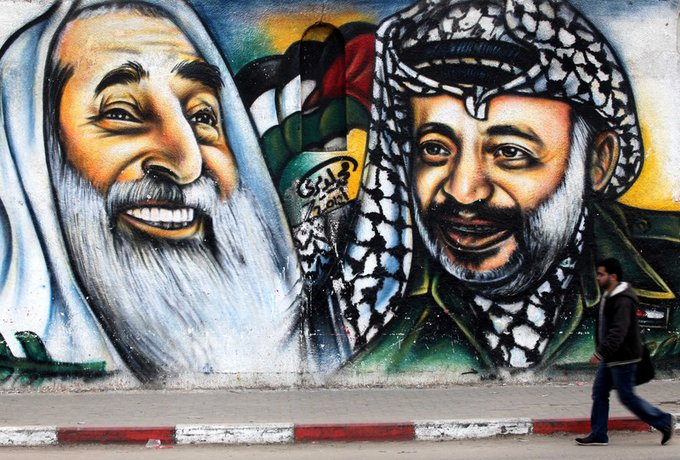
The primary concern is that the progress made by Trump in establishing Israel as a recognized country with bilateral relations with affluent Muslim nations in the Middle East may be nearly irreversible, greatly affecting the Palestinian cause.