


































4️⃣ Mk1A Deliveries — The Production Stress Question
Now we move from incidents to industrial structure.
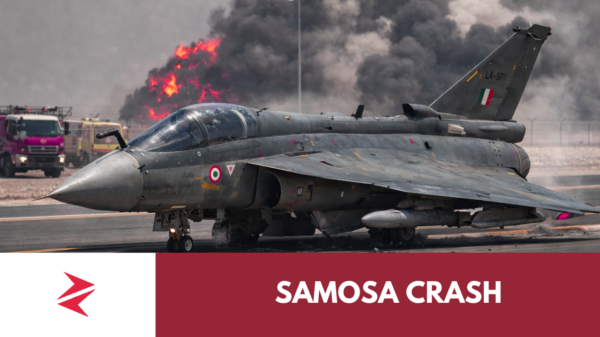
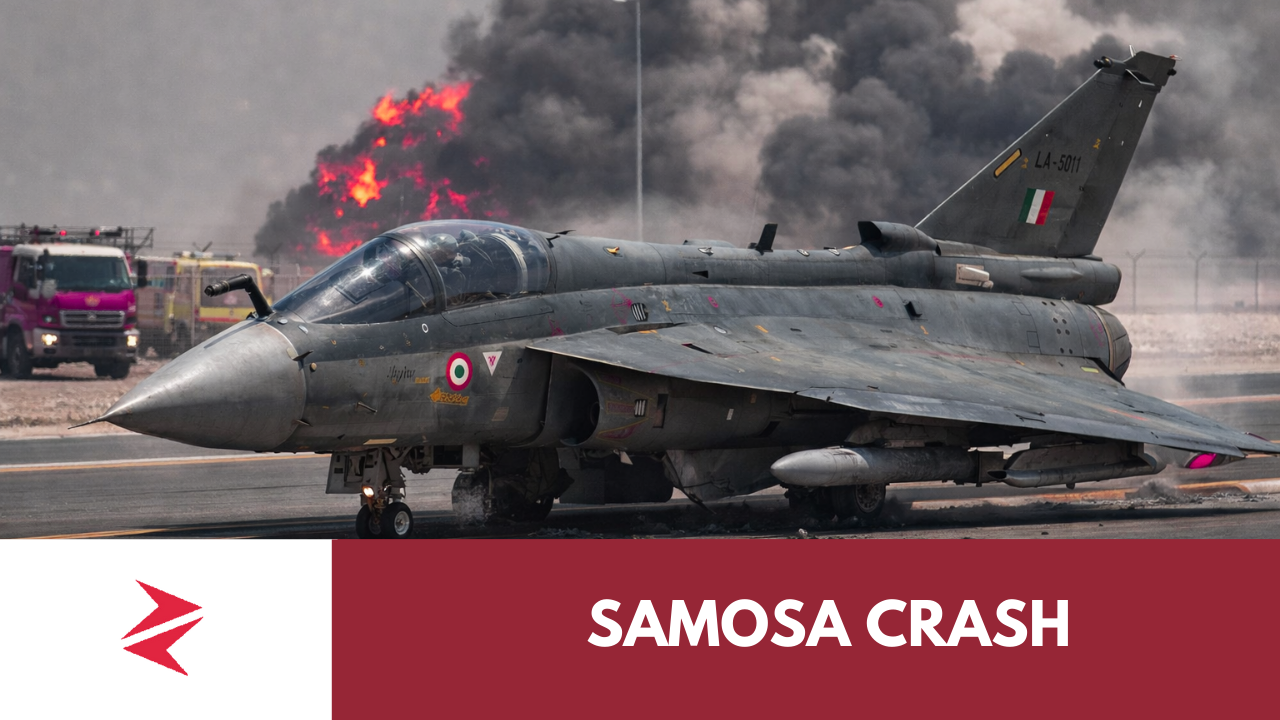
Tejas Mk1A was positioned as the upgraded solution — improved avionics, AESA radar, better maintainability, refined mission systems. Yet production timelines have faced strain.
Reports circulating around Aero India 2025 suggested:
• Delays in Mk1A deliveries
• Engine supply constraints
• Software upgrade marketing presented as major capability evolution
• Full operational deployment timelines stretching further into the next decade
Whether every number cited publicly is precise or not, the structural truth is visible: production ramp-up has not been smooth.
India’s sanctioned squadron strength requirement exceeds current operational numbers. IAF squadron strength has been under sanctioned levels for years.
That is not collapse. It is capability compression.
But compression plus delays plus safety headlines creates cumulative pressure.
5️⃣ The Engine Dependency Contradiction
The Atmanirbhar narrative emphasizes indigenous capability. Yet Tejas depends on American GE F404 engines.

That is not abnormal in global aerospace collaboration. But it undercuts the rhetoric of full autonomy.

Earlier geopolitical threads discussed the possibility of RD-33/93-class engine co-production involving India and Russia. Once India pivoted decisively toward American powerplants for Tejas, that pathway dissolved.
That pivot changed regional engine logistics calculations permanently.
Strategic independence in aerospace is defined by propulsion sovereignty. Until engine manufacturing becomes indigenous, autonomy remains partial.