



















Connect with Zorays

Hi, what are you looking for?

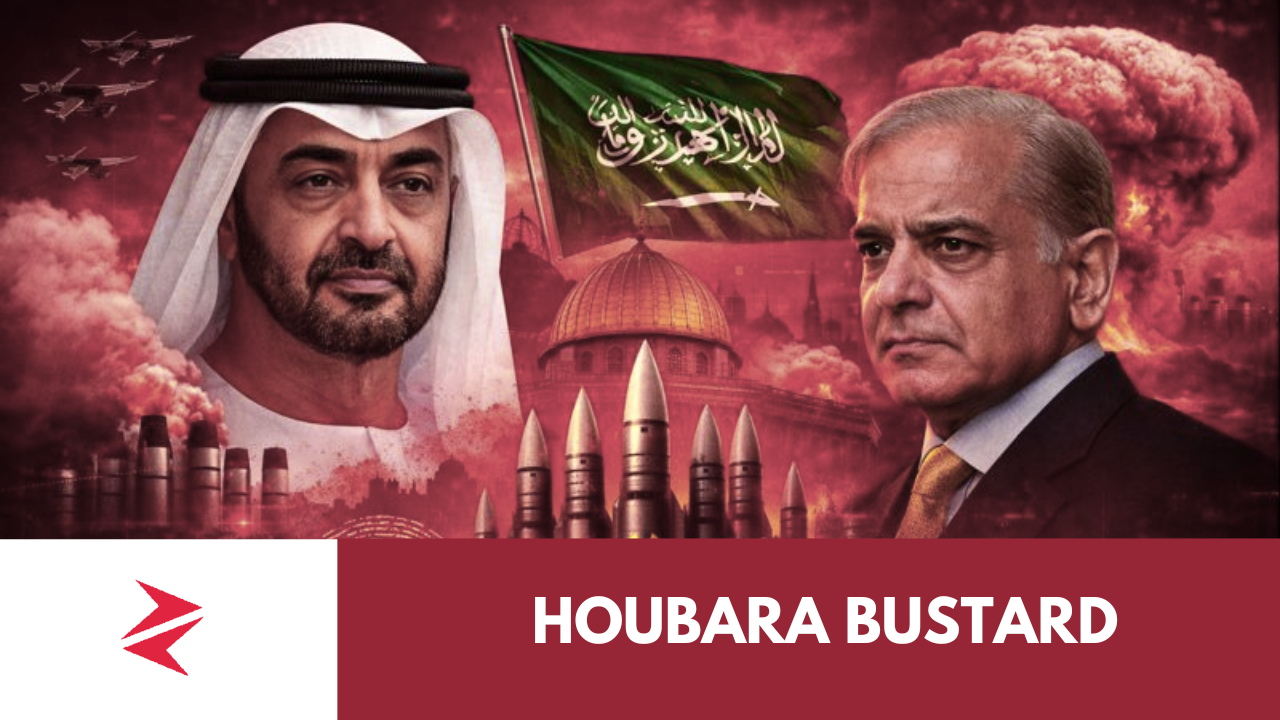
Why Is the UAE President Really in Pakistan?

Why did UAE President Sheikh Mohammed bin Zayed make a high-profile visit to Pakistan now? Beyond ceremony and trade, this analysis explores Afghanistan tensions, Gulf rivalries, Sudan, nuclear signaling, and regional aviation geopolitics shaping the visit.

Political tension and nuclear escalation
Facebook Twitter/X LinkedIn Reddit WhatsApp

The Afghanistan Pressure Point — And the Qatar Problem

Pakistan’s relationship with Afghanistan is strained, volatile, and increasingly militarised along the border. Escalation — even limited — is no longer theoretical.

Until recently, Qatar positioned itself as a mediator between Islamabad and Kabul. That channel stalled. Pakistan didn’t fully bite.

Enter the UAE.

But not as a neutral helper — as a competing mediator.

The UAE and Qatar do not operate in alignment. They are strategic rivals, most visibly in Libya, where both backed opposing factions and divergent regional visions.

If Qatar failed to deliver restraint or influence, the UAE now appears ready to step in — not merely to de-escalate, but to reassert itself as the region’s preferred power broker.

This isn’t peacekeeping.
It’s influence management.


The Abraham Accords Factor — The Pressure No One Mentions

Here is the part usually avoided in polite briefings.

The UAE is the torchbearer of the Abraham Accords in the Muslim world. That role comes with expectations — from Washington, from Tel Aviv, and from Gulf allies — to gradually reshape regional alignments.

Pakistan is one of the largest remaining strategic outliers:

Advertisement. Scroll to continue reading.
  • Nuclear-armed

  • Militarily credible

  • Politically sensitive to public sentiment on Palestine

No one expects Islamabad to sign anything.
That’s not how pressure works.

Pressure works through alignment, silence, sequencing, and restraint.

The question is no longer whether Pakistan recognises Israel —
but whether Pakistan can be nudged into a posture that does not obstruct the new regional order being built around the Abraham Accords.

And if that posture is to change, it will not be announced.
It will be managed.

Facebook Twitter/X LinkedIn Reddit WhatsApp

Pages: 1 2 3 4 5

Click to comment

Leave a Reply

Your email address will not be published. Required fields are marked *

You May Also Like

World Affairs

Pakistan and India trade blame after a naval collision near Oman as recycled footage, disputed damage claims and treaty questions flood social media.

Technology & AI

Pakistan’s D-248, S-369, Nimbus2K and HiMark-25 challenge India’s drone ambitions—but displayed models and flight tests demand different conclusions.

Economy & Markets

Why the “Straits Taylor Rule” went viral, what it gets right about oil shocks, and why Pakistan cannot interest-rate-hike energy insecurity.

Society & Culture

S. Zaheeruddin Ahmed leads Arey Wah!, an upcoming Pakistani web series produced by Marriam Mustafa, bringing agency chaos to the screen.

Energy & Environment

A proposed US diesel export ban exposes Britain’s reliance on imported fuel. Here is what the refinery data show and why Pakistan should pay...

Economy & Markets

The PC Hotels battle exposes disputed shares, opaque settlement claims and the corporate-governance risks confronting investors in Pakistan today.

World Affairs

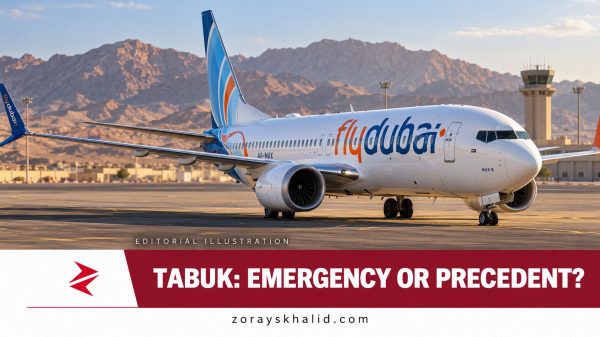
Flydubai’s reported Tabuk landing raises questions about emergency codes, conflicting fight claims, Pakistan’s Saudi ties and Israeli military airspace access.

Advertisement