

































The Nuclear Undercurrent No One Will Say Out Loud
There is also an uncomfortable but unavoidable elephant in the room.
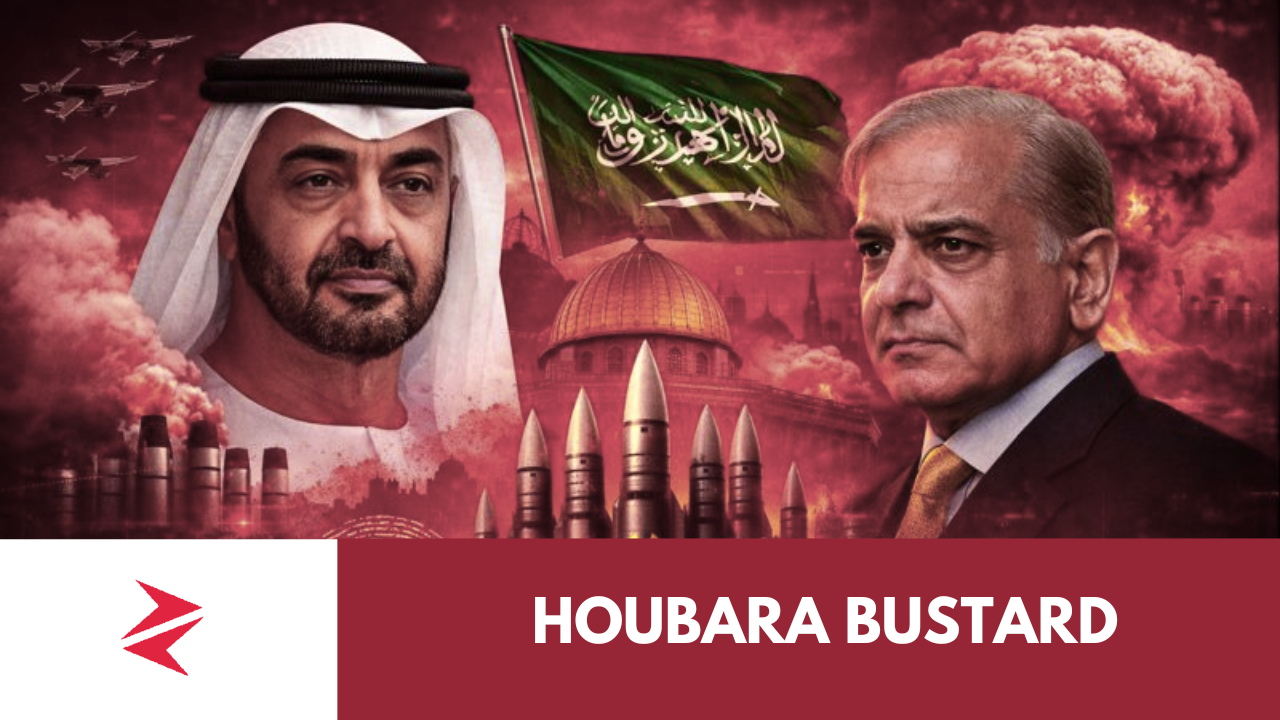
Pakistan has historically provided strategic comfort to Saudi Arabia — not proliferation, but assurance.
The UAE has watched this equation carefully.
In a region where Iran is entrenched, Israel is armed, and deterrence is asymmetrical, nuclear proximity matters even when it remains unofficial.
No agreements are announced.
None need to be.
Strategic visits are about alignment, not signatures.
Aviation, Airspace, and the India Angle
Finally, there is the commercial-strategic layer few discuss openly.
The UAE’s aviation economy is heavily dependent on India-bound traffic. Airspace constraints, rerouting costs, and geopolitical friction translate directly into revenue.
Pakistan sits at the crossroads.
And India is part of the equation whether anyone admits it or not.


Airspace is leverage.
Leverage is money.
Another undercurrent is Pakistan International Airlines (PIA)—where privatization timing, route rationalization, and Gulf aviation interests quietly intersect.
For the UAE, any restructuring of PIA isn’t just about balance sheets; it reshapes regional air traffic, market share, and leverage over South Asia–Middle East connectivity at a moment when airspace economics matter more than ever.