



































The Smartphone and SIM Question
One of the most common questions emerging from the public conversation revolves around whether users will need new SIM cards to access 5G services. In most cases the answer is no.
Modern SIM cards issued in recent years are already capable of supporting 5G authentication. The actual requirements are generally limited to three factors:
-
A 5G-compatible smartphone such as recent iPhone, Samsung Galaxy, Xiaomi, or Pixel models.
-
An active LTE subscription with VoLTE enabled, which forms the foundation of current mobile networks.
-
Network coverage in the user’s area, which remains the largest limiting factor.
Telecom operators themselves have confirmed that devices meeting these requirements should automatically connect to 5G once coverage becomes available.
The Real Problem Pakistan Must Solve First
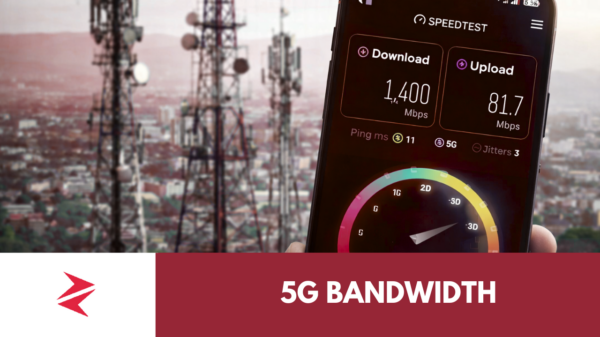
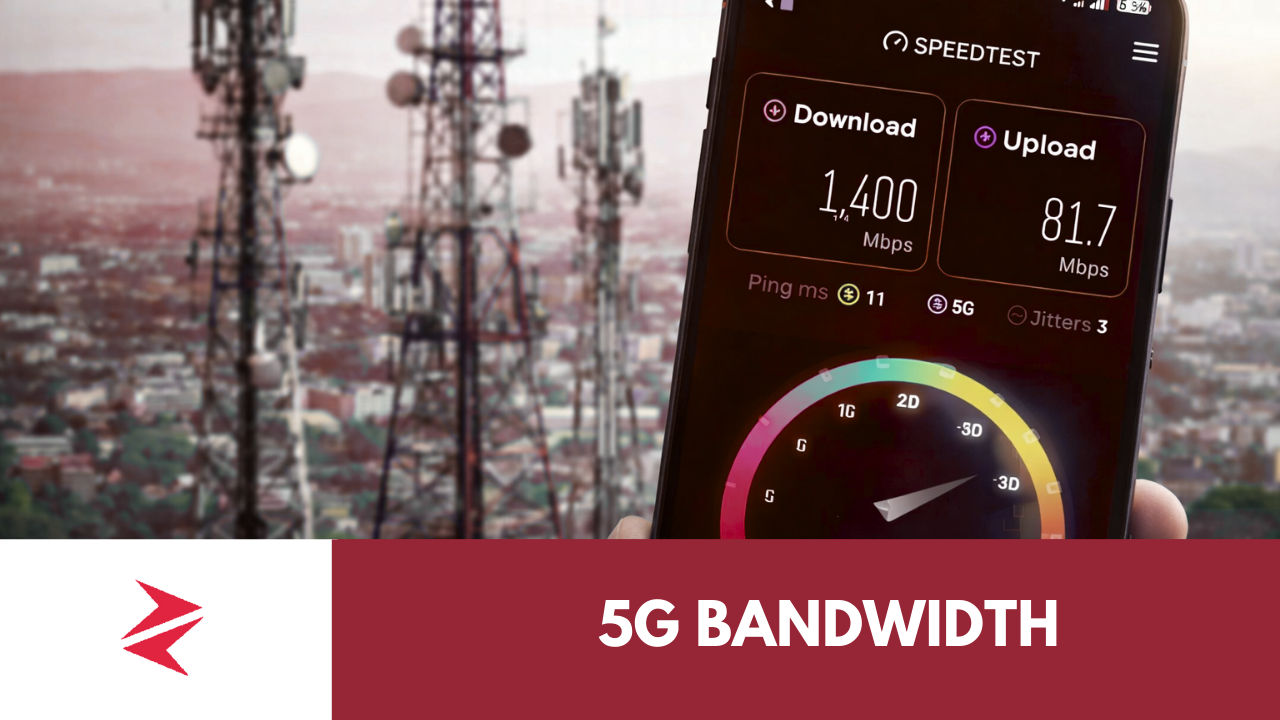
Despite the excitement surrounding gigabit-level tests, the harsh reality is that millions of Pakistanis still struggle with inconsistent 3G and 4G connectivity. Large sections of rural Pakistan experience unstable signals, limited bandwidth, or complete network outages in remote terrain.
This raises a fundamental policy question: does Pakistan truly need 5G right now, or should the focus remain on improving existing infrastructure?
The answer lies somewhere between those two extremes. The transition to 5G does not simply replace 4G—it expands network capacity, offloads congestion, and enables entirely new categories of digital services.
Even users who never connect to a 5G device may benefit indirectly if heavy data users migrate onto the new network layer.