










































Share the post “Pakistan’s First 5G Reality Check: Gigabit Speeds, Testing Towers, and the Telecom Illusion”
What the PTA Rollout Plan Actually Requires
Documents associated with Pakistan’s regulatory framework reveal that the government expects a phased deployment between 2026 and 2028, focusing first on major urban centers and high-demand corridors.
One excerpt from the rollout obligations outlines the scale of infrastructure required:
| Requirement | Target |
|---|---|
| New advanced mobile sites | Minimum 1,000 sites per year |
| Completely new locations | At least 200 annually |
| 5G coverage requirement | Federal & provincial capitals |
| Cities included in early phase | Islamabad, Rawalpindi, Lahore, Karachi, Quetta |
| Fibre-to-site backhaul | Minimum 20 % of total sites |
These requirements are significant because 5G cannot operate effectively without dense tower coverage and high-capacity fiber links. Unlike earlier generations of mobile technology, 5G relies heavily on shorter-range high-capacity spectrum bands that require many more antennas per city.
In simple terms, launching 5G is not just about flipping a switch on existing towers—it requires rebuilding large portions of the network architecture.
Why Early Speed Tests Look Unrealistically Fast
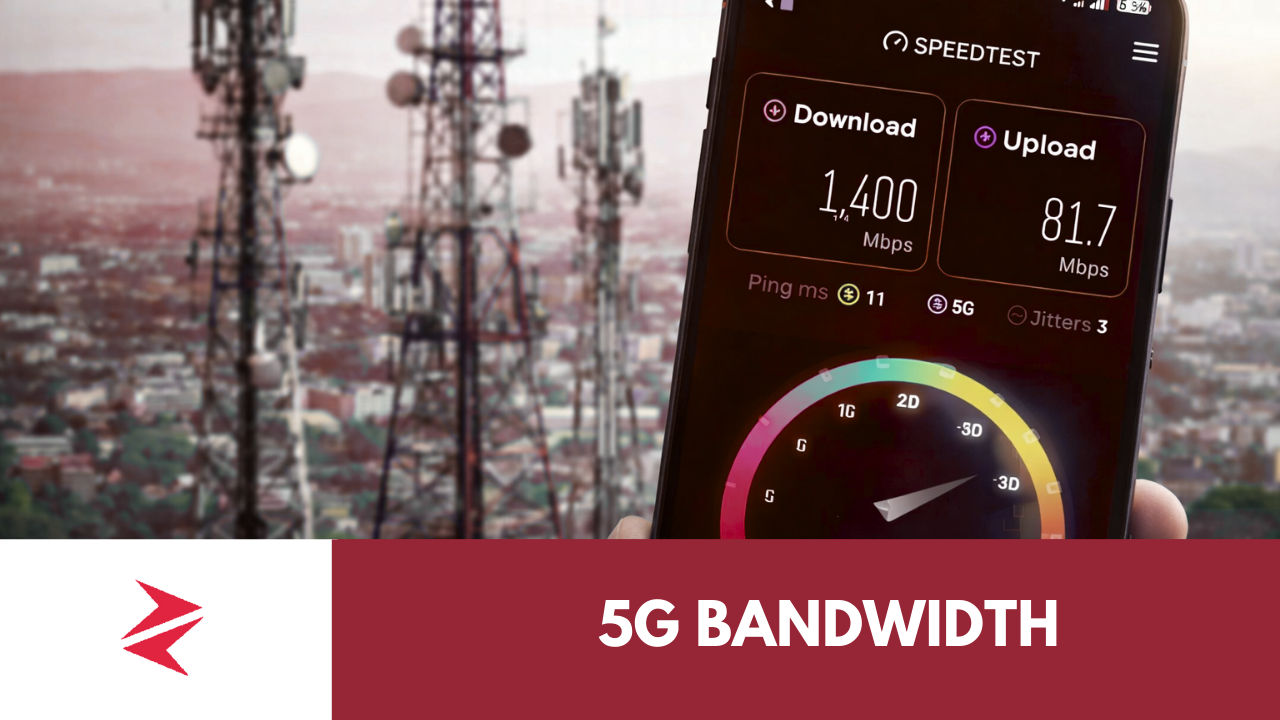
The viral 1.4 Gbps speed test raised eyebrows not only among ordinary users but also among telecom engineers. The reason is straightforward: empty networks produce spectacular speeds.
When a single device connects to a new 5G cell with virtually no other users competing for bandwidth, the full capacity of the radio channel becomes available to that one device. That is precisely the environment in which test demonstrations occur.
A useful comparison comes from another real-world 5G benchmark: a Speedtest record in Manama, Bahrain, where an iPhone 14 Pro Max achieved 1,773 Mbps download speeds on a commercial network. The similarity between these figures demonstrates that the Islamabad result is technically plausible—but only under ideal conditions.
Once thousands of subscribers begin using the same towers, speeds naturally decline toward more typical levels. In many developed markets today, average 5G speeds between 200 and 400 Mbps are considered strong performance.










qwenart
March 13, 2026 at 10:04 pm
The deep dive into Pakistan’s 5G rollout is both timely and necessary, especially given the gap between promotional hype and real-world performance. It’s refreshing to see a critical look at the infrastructure and investment claims, particularly how they align (or don’t) with actual user experience. This kind of analysis helps set more realistic expectations for what 5G could mean for the country’s digital future.