

































Why PSX Fertilizer ≠ Global Fertilizer
Global fertilizer companies behave like exporters:
-
Earnings swing with global urea prices
-
Demand is linked to international trade flows
Pakistan’s fertilizer sector is different:
-
Domestic demand is inelastic
-
Pricing is semi-administered
-
Gas input is politically sensitive
This is why comparing Engro or FFC to global peers leads to flawed conclusions. Their valuation reflects policy insulation, not global arbitrage.
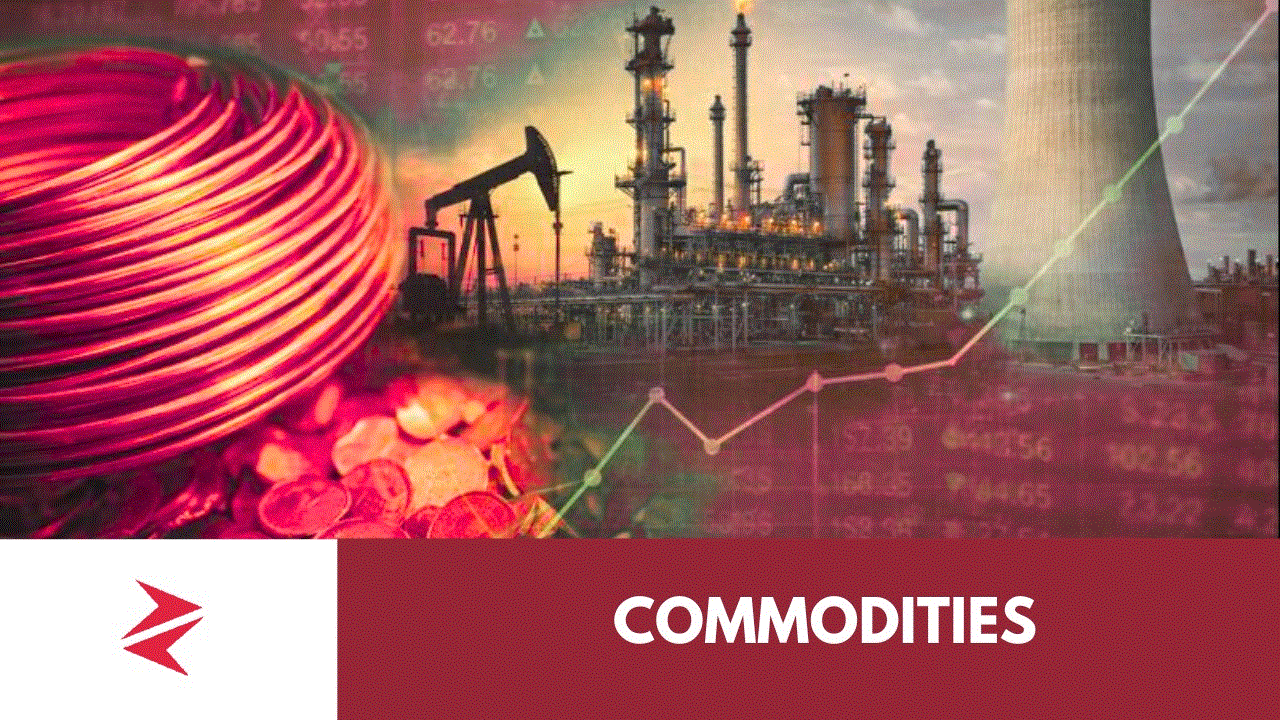
The Common Thread Across Commodities
Here is the unifying framework you should keep in mind:
| Commodity | Role in PSX |
|---|---|
| Copper | Global sentiment signal |
| Oil & Gas | Cash flow + FX hedge |
| Fertilizer | Policy-protected earnings |
Each commodity influences PSX differently—but together, they explain most earnings behavior better than headline news ever will.
What Smart Investors Actually Watch
Instead of reacting to noise, experienced investors monitor:
-
Input pricing mechanisms
-
Policy buffers and reversals
-
Cash flow conversion, not EPS alone
-
Balance sheet resilience under stress
This approach explains why PSX often:
-
Falls less than expected during crises
-
Recovers faster than macro headlines suggest
-
Rewards patience over prediction
As you’ve noted elsewhere:
An index is a scoreboard, not a value meter.
Linking This Back to the Bigger Picture
This article sits deliberately between:
-
PSX valuation reality checks
-
IMF short-term vs long-term impact analysis
Commodities are the earnings bridge between policy and prices. Ignore them, and PSX movements appear irrational. Understand them, and the market becomes far more predictable—without predicting prices.

