


Economy & Markets
Khaadi’s planned IPO puts brand loyalty against valuation. Explore its Rs8.3bn fundraising, cash-flow risks and what Pakistan’s IPO comparisons really reveal.
Hi, what are you looking for?

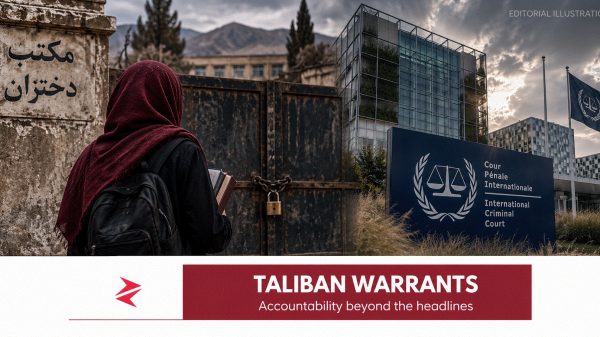
ICC Unseals Four Taliban Arrest Warrants: Pakistan Must Put Accountability Above Brotherhood Slogans

Faheem Akram’s $126 Million USPS Case: Pakistan Is Not the Defendant

Pradeep Mukherjee’s Arrest: India’s Honeytrap Story Meets Its Communal Double Standard
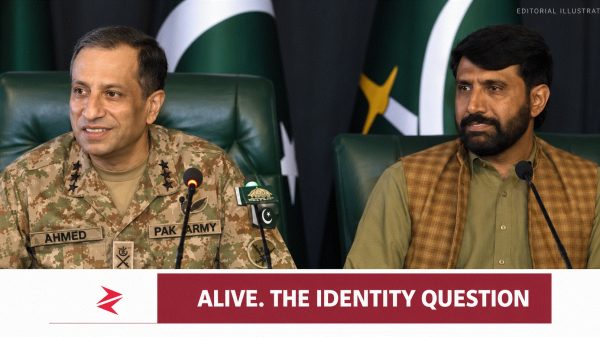
Pakistan Presented Muhammad Asif Alive. India’s Budgam Identity Claim Now Needs Evidence.

Flydubai’s Tabuk Emergency: A “Pilot Fight” Cannot Close the Airspace Question
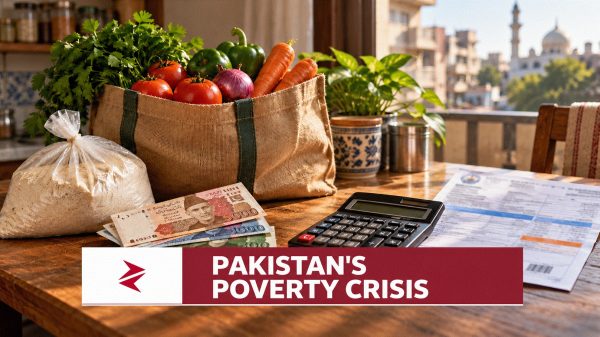
Pakistan’s 48% Poverty Controversy: The Number Was Misread, but the Crisis Cannot Be Edited Away
Khaadi’s IPO: Pakistan Should Celebrate the Brand—and Question the Price

PSX October 2026 Outlook: The Market Is Nervous, but That Is Exactly Where Valuation Starts to Matter

Toyota Corolla Facelift in Pakistan: A New Face Cannot Hide an Old Generation

A Honda CD70 or Atlas Honda Shares? The Viral PSX Calculation Leaves Out the Ride

What’s Changing in Solar Is Bigger Than Panels

Quantum Valley Pakistan: A Silicon Valley Claim That Must Survive the Delivery Test

Bilal Bin Saqib Met Sam Altman. What Did Pakistan Actually Get?

Pakistan’s New SUVs and EVs Are Arriving. Who Is Building the System Around Them?
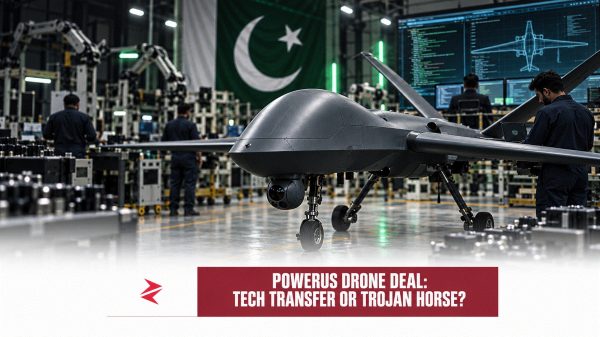
Powerus Drone Deal: Technology Transfer or a Trojan Horse for Pakistan?
Sanjay Dutt Asked for Peace. India’s Outrage Machine Reached for His Criminal Record

Pakistan’s Rs 9.6 Billion Convoy: Why the SCO Vehicle Plan Demands More Than a Security Explanation
Who Governs Pakistan? The Test a “Reformist Army” Must Pass
The Cost of Containers: Pakistan’s Capital Braces for PTI’s September 27 March
Junaid Hafeez, Section 295-C and the Rule of Law: Reconsideration or Safe Passage?
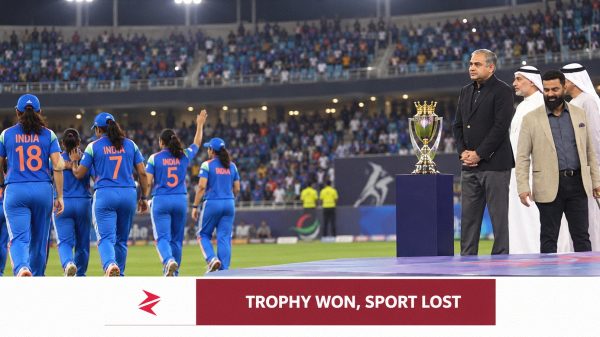
India Won the Women’s Asia Cup, but BCCI Politicised the Trophy Ceremony Once Again
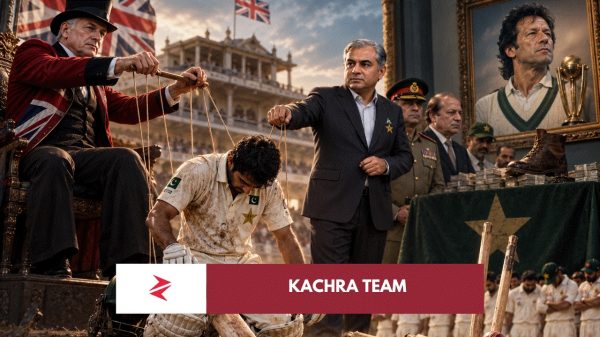
From Lagaan to Lord’s: Did Pakistan Escape the Empire but Keep Its Cricketing System?
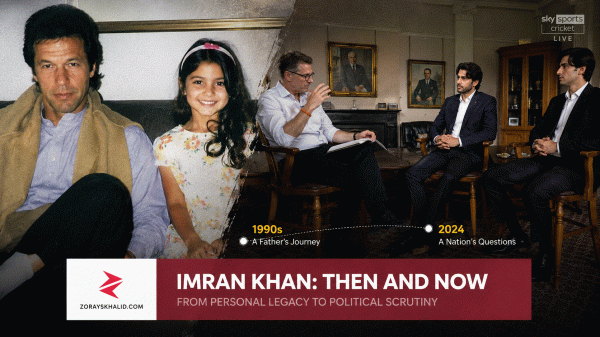
Sky Sports, Imran Khan’s Sons and the Politics-in-Cricket Double Standard Pakistan Has Every Right to Question

Aaqib Javed’s Daughter Got Married—Pakistan’s Online Morality Squad Put Her on Trial

Pakistan at FIH Hockey World Cup 2026: The New Format Makes Every Pool D Result Matter

Pakistan’s Solar Story Is Becoming an Electricity-Market Story’

The Diesel Chokepoint: Why a US Export Threat Has Britain Looking at Its Refineries

The Carbon Removal Paradox: Why the World Wants to Vacuum the Sky While Pakistan Pays for Climate Failure

Why “Average Wind Speed” Can Give You the Wrong Answer About Wind Energy

Primary Energy vs Electricity Generation: Why the Difference Matters

Pakistan’s Rs195 YouTube Benchmark: Tax Real Earnings, Not the Illusion of a Million Views

Did Samsung Leave Pakistan? The Production Record Tells a Different Story

Pakistan After Pampers: Which Diaper Brand Can Parents Actually Trust?

Corporate Entrepreneurship in 2026: Why Innovation Dies Inside Successful Organizations

The Future of Digital Marketing Agencies and Software Houses in Pakistan: What Will Actually Work in 2026?
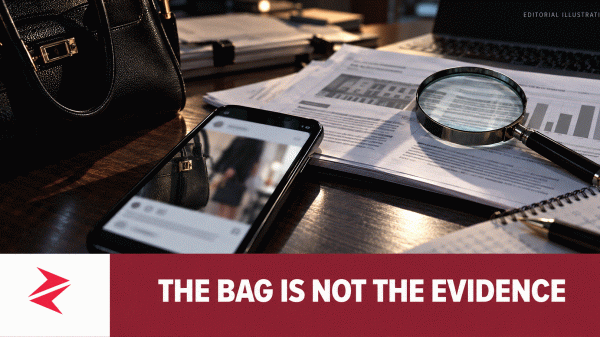
Munizae Jahangir’s Birkin Controversy: The Bag Is Not the Evidence, but Transparency Still Matters

Salahuddin Ayyubi: Jerusalem, Mercy, Power and the History Social Media Keeps Distorting
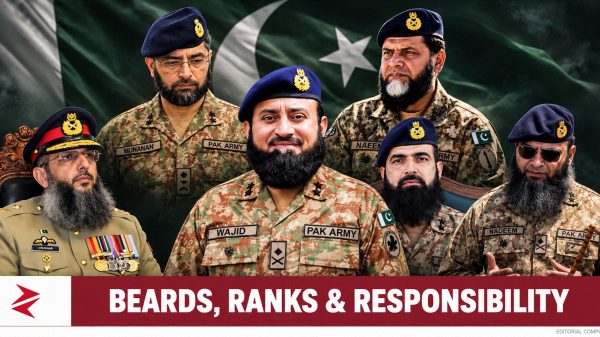
Pakistan Army’s Bearded Generals: Why Facial Hair Is the Wrong Battlefield
What Caused the Decline of Muslim Civilisation? My Answer Is the Failure to Protect Accountability
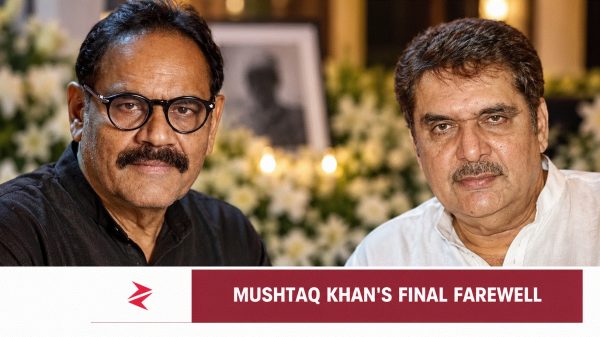
Mushtaq Khan’s Funeral, His Reported Mosque Wish, and the Question Bollywood Must Answer
Munizae Jahangir’s Birkin Controversy: The Bag Is Not the Evidence, but Transparency Still Matters
Salahuddin Ayyubi: Jerusalem, Mercy, Power and the History Social Media Keeps Distorting
Pakistan Army’s Bearded Generals: Why Facial Hair Is the Wrong Battlefield

Mohammed bin Salman’s Royal Speech: What Pakistan Should Learn Beyond the Applause
Hanzala Tayyab Is Back in the Timeline. What, Exactly, Does Pakistan Remember?
Khaadi’s planned IPO puts brand loyalty against valuation. Explore its Rs8.3bn fundraising, cash-flow risks and what Pakistan’s IPO comparisons really reveal.

Pakistan stocks have corrected sharply from their highs. Here is an October 2026 PSX dip-buying framework separating genuine value from dangerous “cheap” stocks.

A viral CD70 versus ATLH comparison makes investing look easy. The arithmetic is useful, but bonus shares, commuting costs and timing change the story.
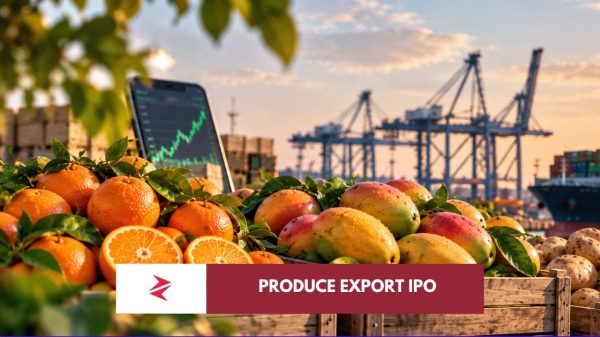

SE Fruits & Vegetable Limited opens public subscription on September 28–29, 2026, bringing Pakistan’s fresh produce export story to the PSX.


Pakistan’s Rs100 petrol relief may ease immediate pain, but rising oil, lost levy revenue and subsidy leakage could create a much bigger economic problem.


The PC Hotels battle exposes disputed shares, opaque settlement claims and the corporate-governance risks confronting investors in Pakistan today.


Naya Nazimabad Apartment REIT hit Rs23 after 8x book-building demand. We examine NNAR’s valuation, returns, risks, JVDC link and retail subscription.

APAG’s Rs33 IPO reaches public subscription after 1.84x book-building demand. Here is what PSX investors should know before subscribing.
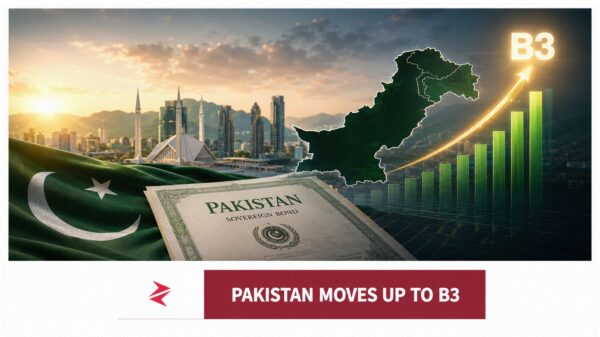

Moody’s raised Pakistan to B3 as reserves and debt affordability improved—but the upgrade signals stabilization, not proof of good governance or growth.
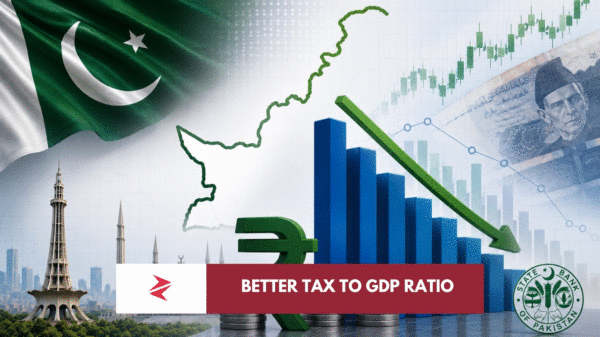
Pakistan’s debt-to-GDP ratio fell to 68.3% in FY26. Is this genuine debt reduction, a GDP effect, or simply the result of a stable rupee?


Imran Khan’s hospital transfer coincided with sharp PSX volatility. A timeline of the KSE-100 shows how political risk, oil and liquidity interacted.


Learn how to analyze PSX stocks using fundamentals, valuation, sector rotation, portfolio construction and disciplined capital allocation instead of tips.


Tasdeeq’s Rs450m PSX IPO brings Pakistan’s first private credit bureau to market after 21.53x book-building demand. Here is what investors should know.


P&G's Pakistan exit was neither proof of collapse nor a local FMCG victory. The real story is global restructuring colliding with Pakistani business friction.

Nishat Group's acquisition of Rafhan Maize is more than a US$165 million deal. Here's why it could reshape Pakistan's food processing industry, exports, and...


A Rs2.24 billion insider purchase in UBL has reignited interest in Pakistan's banking sector. Here's why banks continue to lead the PSX despite changing...
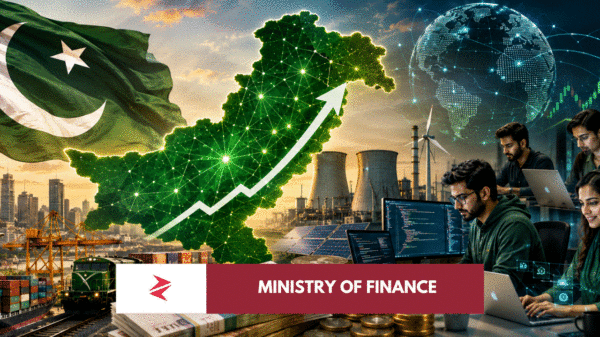

Pakistan’s FY2026 turnaround shows stronger GDP, remittances, reserves, external stability and PSX confidence, but tax reform remains decisive.


FFC’s insider buying, Thar coal-to-urea project and May 2026 fertilizer data show Pakistan’s next industrial export-capacity be


SLM Tyres IPO became a PSX frenzy, but beyond 16.7x demand lies a real manufacturing story with cash-flow, tax and execution risks.
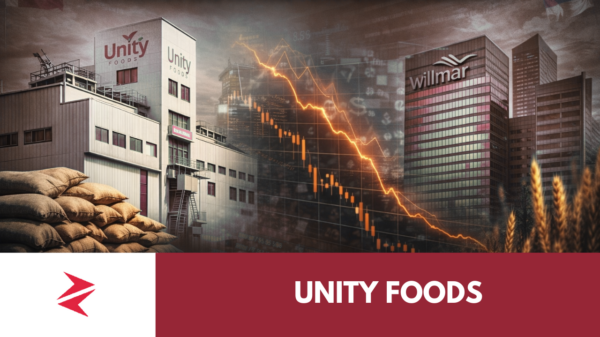

Wilmar’s $150M loss on Unity Foods reveals deeper balance sheet and governance risks in Pakistan’s food sector beyond wheat cycles.
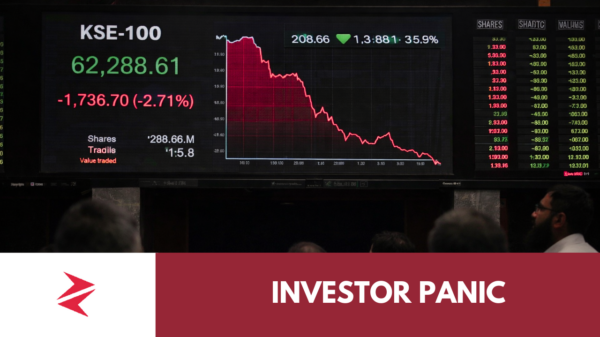

PSX volatility amid Iran tensions is not a structural crisis. Here’s how disciplined investors and policymakers should respond.


If the Strait of Hormuz becomes uninsurable, Pakistan’s oil bill, inflation and remittances face pressure. Here’s the real risk and rational response.
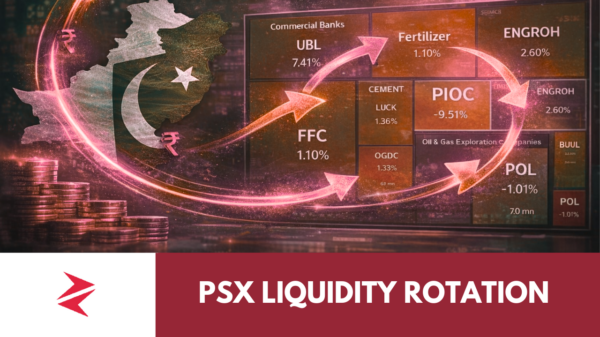

PSX correction decoded: liquidity rotation, sector repricing, and why fast 10% declines historically reward patient investors.

How IMF programs historically impact the Pakistan Stock Exchange—why markets rally on IMF deals, why gains fade, and how investors should read IMF news...
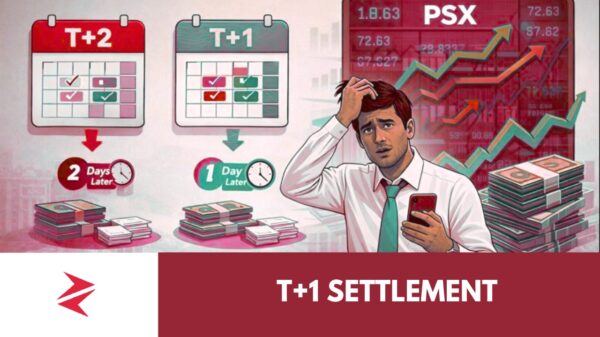

PSX is shifting to T+1 settlement from Feb 9, 2026. Here’s what it means for brokers, liquidity, trading volumes, and everyday investors—explained simply. T+1...
How IMF programs historically impact the Pakistan Stock Exchange. A data-backed analysis of PSX reactions, rallies, and long-term constraints under IMF regimes.


KSE-100 is trading at 9–10x earnings. A data-driven PSX valuation analysis using historical P/E bands, macro stress, and capital-cycle context.


Pakistan does not have a “risk appetite” problem.It has an access, friction, and institutional design problem. That distinction matters — because it explains why...


Pakistan’s debt crisis isn’t about taxes. It’s about spending, debt servicing, and why PSX already prices this reality.

Why interest rates dominate PSX returns. A data-driven breakdown of how rate cycles reshape banking, energy, fertilizers, and valuations on Pakistan’s stock market.