

































-
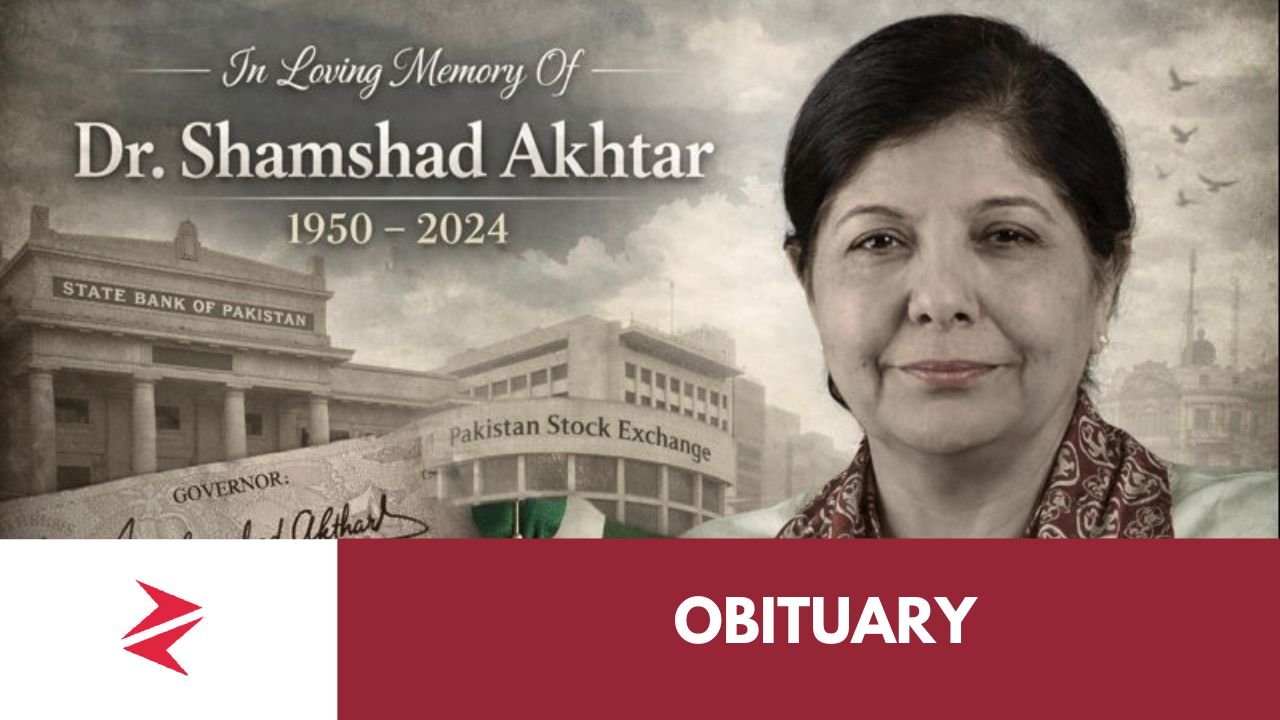
Governor, State Bank of Pakistan
-
Two-time caretaker Federal Minister for Finance (2018 and 2023)
-
Chairperson, Pakistan Stock Exchange
-
Senior leadership roles at the World Bank, Asian Development Bank, and United Nations
-
Recipient of Nishan-e-Imtiaz (2024) — Pakistan’s highest civilian honor
Few Pakistani economists have ever operated across monetary policy, fiscal governance, and capital markets at that level — fewer still with such quiet authority.
The Currency Note Moment: Why It Matters
Central bank governors don’t seek fame.
They seek stability.
Yet Dr. Akhtar’s signature on Pakistani banknotes became symbolic — not because it was historic, but because it was normal. No slogans. No spectacle. Just authority exercised with calm precision.
For a country where women in economic decision-making are often sidelined, that signature quietly said:
