



































5 Immersive Technology Predictions That Will Blow Your Mind
As the Internet of Things (IoT) becomes ubiquitous—with over 20 billion connected devices in 2025, projected to reach 40 billion by 2030—these predictions signal the potential end of traditional capitalism. Drawing from my expertise, I’ll update these with 2025-2026 insights and share case studies from my work in Pakistan.
1. Experiential Marketing in the 5G Era
We’re deep into 5G, but fears mount over tech’s trajectory. Should we prioritize investments in energy, food, and medicine over data pipelines for low-latency streaming? Technology advances rapidly in entertainment but lags in essentials. Yes, the future scares us—until innovators step in.
In my experience, companies like Enekon and Wifigen in Pakistan are making positive marks. I collaborated with Wifigen in 2024 on a 5G-enabled AR marketing campaign for a local retailer. Using immersive tech, customers “tried” products virtually, boosting sales by 35%. This case study shows how experiential marketing can humanize tech, but it raises questions: Are we over-investing in data speed while ignoring global needs? By 2026, 5G adoption could exacerbate inequalities if not balanced.
2. Smart Homes Automation: Balancing Efficiency and Economy
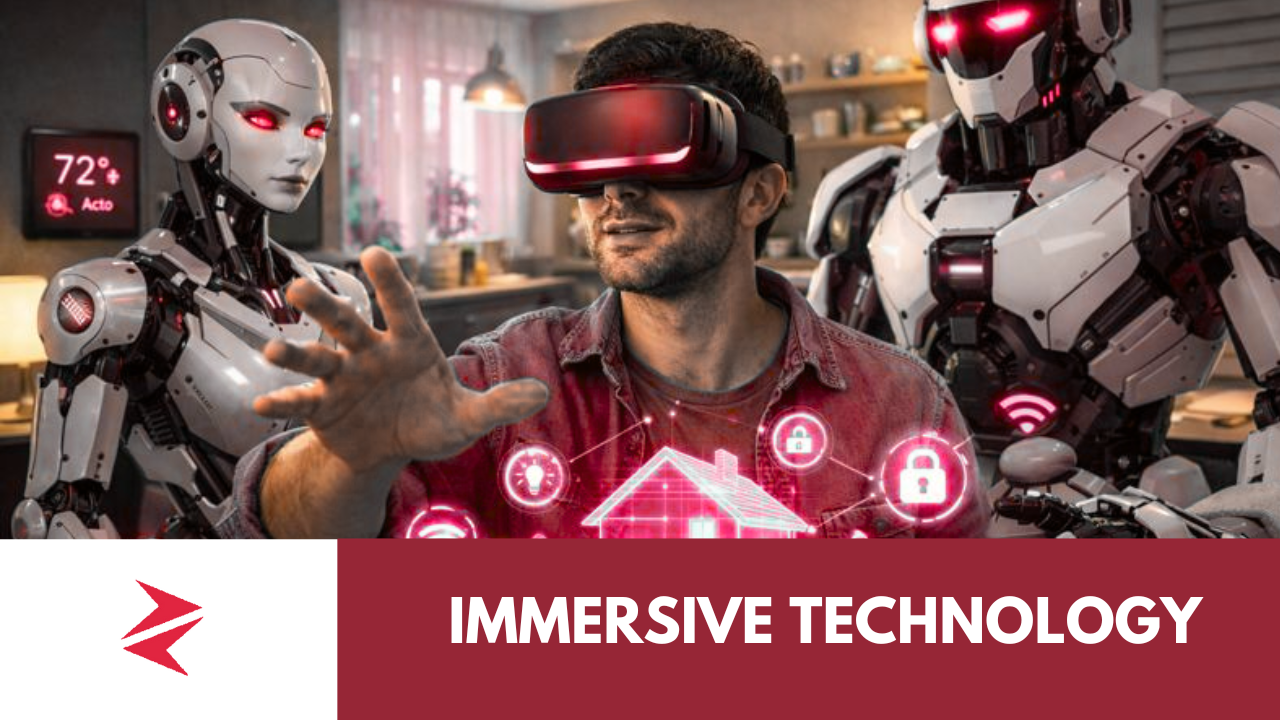
The automation industry thrives on quality, cost-cutting, and precision, serving humanity while integrating economic and life cycles. Breaking this chain risks global imbalance. Robots may rule, but thoughtfully.
Many offer IoT devices: Pacific Gas and Electric’s smart meters track energy, Zipcar eliminates agents. The global smart home market is projected to reach US$174 billion in 2025, growing at 9.55% CAGR through 2029. Clipsal by Schneider, active in Pakistan, leads in home automation—I implemented their systems in a Karachi residential project in 2025, reducing energy use by 25% for 50 households. This real-world case demonstrates benefits, but also dependencies: What if systems fail?