





































What “Low Value Addition” Actually Measures
Value addition is calculated in dollar terms. That matters.
A unionized autoworker in Michigan earns $36–40/hour, rising above $40/hour under the new UAW contract, with total compensation often approaching $80/hour. A Pakistani electronics worker earns a fraction of that — while performing the same precision assembly, quality control, and testing tasks.
When value is measured in dollars, you are often measuring wage differentials, not manufacturing contribution. By this logic, Vietnam, Bangladesh, early-2000s China, and 1970s Korea were not “real” manufacturers either.
History disagrees.
The Manufacturing Ladder (How Every Country Industrializes)
Manufacturing does not arrive fully formed. It progresses through stages:
Level 1: SKD / CKD Assembly
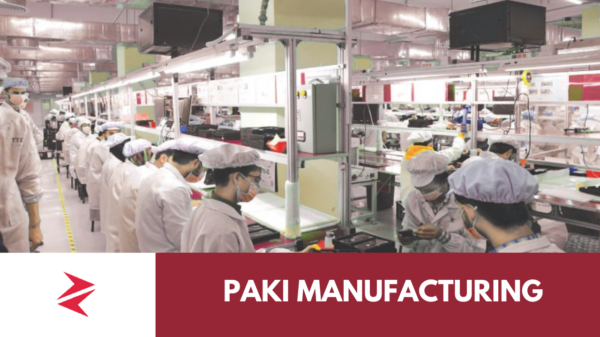
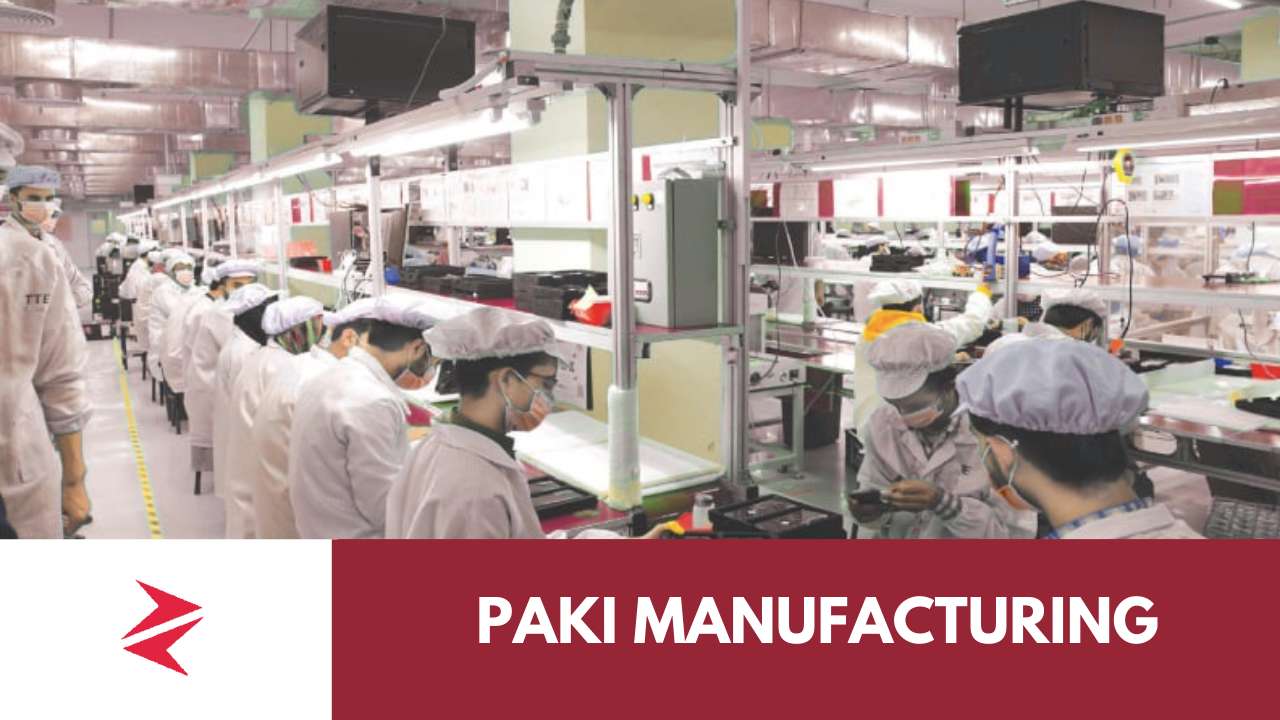
Packaging, final assembly, quality testing, certification
Level 2: Large Components
Plastic casings, batteries, chargers, cables, accessories
Level 3: Electronics Assembly
PCB design, SMD placement, PCB stuffing
Level 4: Component Manufacturing
Displays, non-VLSI electronics
Level 5: Advanced Semiconductors
Chip design, fabless IP, foundry fabrication

Pakistan is currently strong in Levels 1–2, expanding into Level 3, with emerging Level 5 design capability. Every successful manufacturing economy started at Level 1. Without exception.
Jobs, Skills, and Foreign Exchange
According to Pakistan Mobile Phone Manufacturers Association, the sector supports 40,000+ direct and indirect jobs in 2024. Other estimates place direct employment near 60,000.
Eight dedicated training centers now graduate 5,000+ technical staff annually, with 12,000 workers trained in advanced manufacturing processes.
Local manufacturing reduced Pakistan’s mobile phone import bill by $1.2 billion in 2024, a 35% year-on-year decline, while contributing PKR 15 billion in tax revenue.
This is not symbolic industrialization. It is balance-of-payments relief.
