







































Share the post “Manufacturing in Pakistan: The Cell Phone Example”
The Value-Addition Trap
Estimates place Pakistan’s local value addition in mobile phone manufacturing between ~8% and ~20%, depending on methodology, as reported by Profit Magazine. Critics dismiss this as “just assembly.”
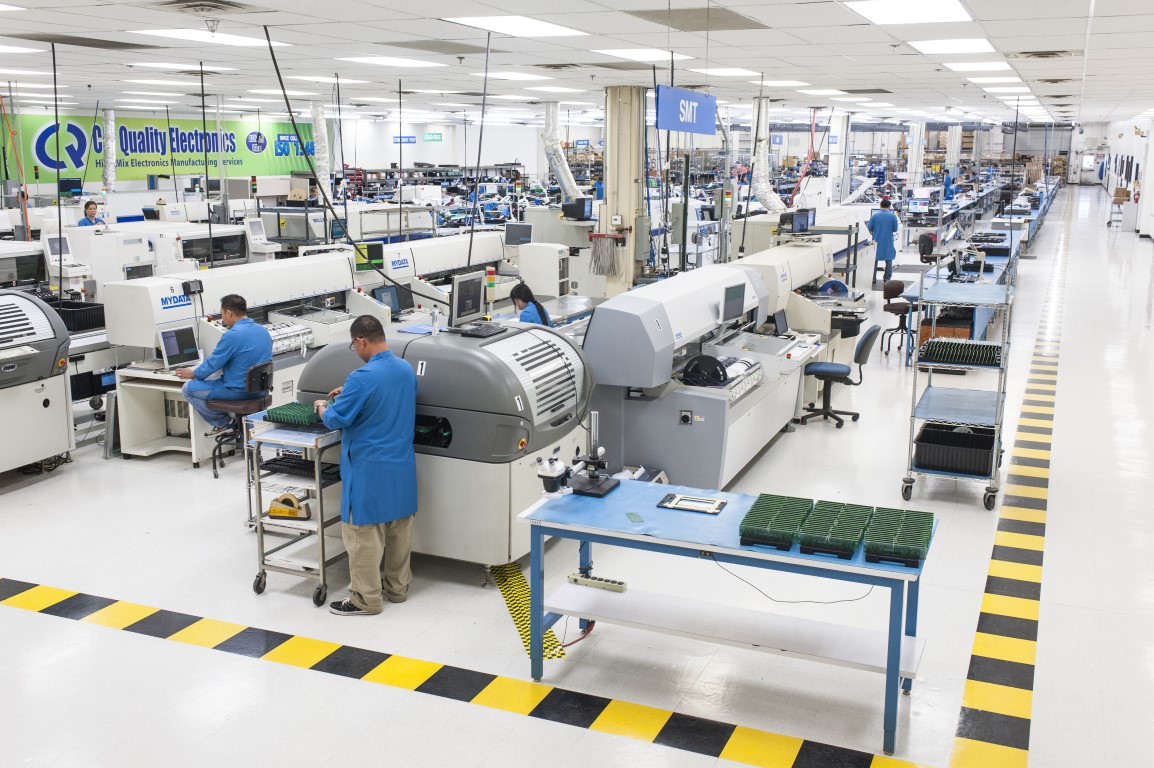
Apply the same test globally and the argument collapses.
The iPhone, designed by Apple, is manufactured through a supply chain spanning Korea, Japan, Taiwan, China, Vietnam, and India. By the same purity test, the United States does not “manufacture” iPhones. Yet no serious observer disputes Apple’s manufacturing dominance.
Germany “manufactures” Mercedes-Benz and BMW vehicles while sourcing electronics from Asia, transmissions from Eastern Europe, and software from globally distributed teams. Manufacturing ecosystems are not autarkies. They are layered, global systems.
The standard being applied to Pakistan is one no manufacturing nation has ever met at the same stage.
What “Low Value Addition” Actually Measures
Value addition is calculated in dollar terms. That matters.
A unionized autoworker in Michigan earns $36–40/hour, rising above $40/hour under the new UAW contract, with total compensation often approaching $80/hour. A Pakistani electronics worker earns a fraction of that — while performing the same precision assembly, quality control, and testing tasks.
When value is measured in dollars, you are often measuring wage differentials, not manufacturing contribution. By this logic, Vietnam, Bangladesh, early-2000s China, and 1970s Korea were not “real” manufacturers either.
History disagrees.
Share the post “Manufacturing in Pakistan: The Cell Phone Example”