




































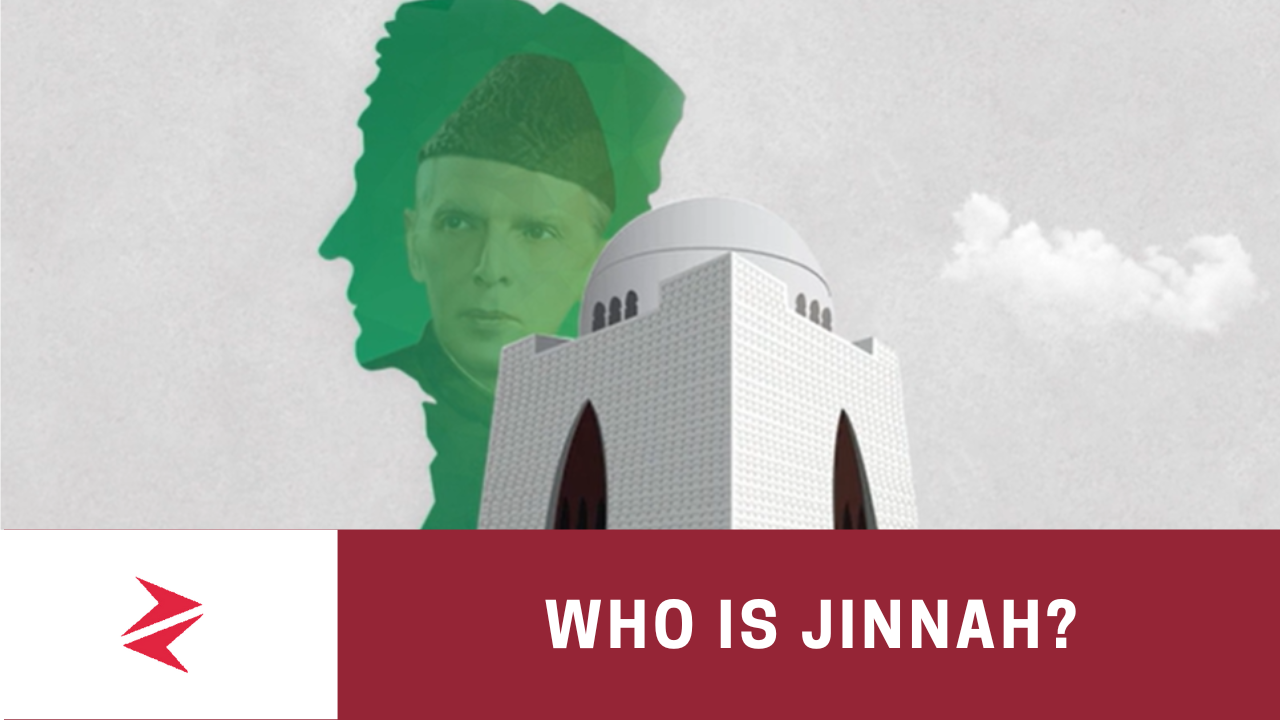
Extensive research and access to government and private archives in India, Pakistan, and Britain have provided some answers to these perplexing questions. Jinnah emerges not as a charismatic leader leading his people to a promised land but as a shrewd and determined political tactician who skillfully navigated the dramatic political changes of World War II and the British exit from India.
The 1937 elections held throughout India for autonomous provincial assemblies created by the 1935 Government of India Act yielded mixed results for the Muslim League. Despite Jinnah’s reorganization efforts, the Muslim League only secured 109 out of the 482 Muslim seats, largely due to its poor showing in Punjab and Bengal. The Unionist Party dominated the Muslim constituencies in Punjab, thanks to the support of the influential landowners controlling the rural electorate. Jinnah recognized the importance of the Punjab leader Sikander Hayat Khan, allowing him to control the Muslim League organization in the province to gain support in national politics.
By 1939, the Muslim League’s influence grew significantly due to Congress’ mistakes in the 1937 elections, which allowed the Congress to form governments in seven out of India’s eleven provinces. Many Muslims found themselves under Hindu rule for the first time, as the provincial Congress governments failed to understand and respect their cultural and religious sensitivities. Consequently, the Muslim League’s claim to be the sole protector of Muslim interests gained momentum. The outbreak of World War II further bolstered the Muslim League’s standing, as it received equal recognition with the Congress from the British authorities. The subsequent Cabinet Mission offered India self-government in return for wartime support, conceding, in theory, the future partition of India.
