











































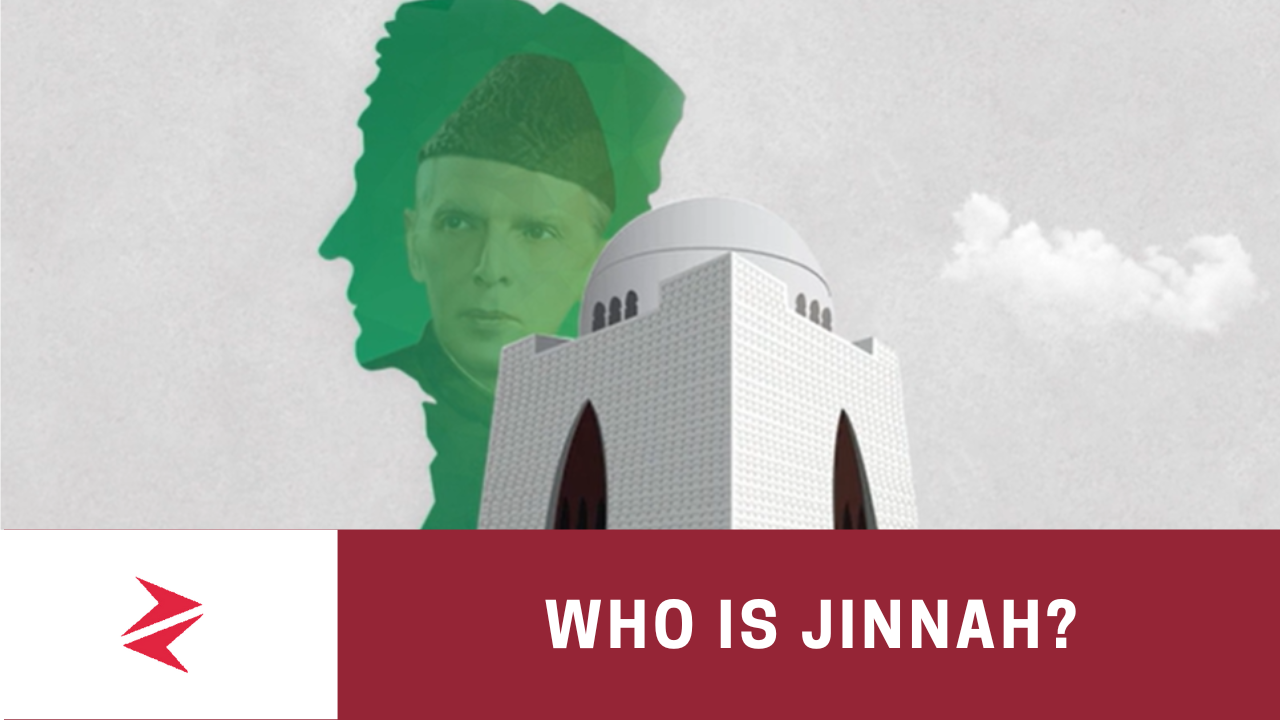
In the realm of history, Quaid-e-Azam Muhammad Ali Jinnah stands tall as the esteemed founder of Pakistan, hailed for his ability to merge political expediencies with the profound appeal of Islam, paving the way for a separate state for the Muslim populace. The skill of Jinnah in combining a sequence of political necessities with the widespread resonance of Islam to advocate for a distinct state for the Muslim people has earned him the title ‘the founder of Pakistan’.
The revival of Islam globally in the 1970s tended to overshadow the earlier endeavors by Muslims to unify religious and political authority in the 20th century. Throughout the Middle East, Africa, and South and South-East Asia, Muslims led the revolt against Western colonial rule. In India, particularly, the Muslim desire for political power was clearly evident. As the era of British rule approached its end, many Muslims, in the name of Islam, fervently demanded the creation of a separate state, leading to the emergence of Pakistan in August 1947. This momentous achievement primarily owed its existence to the extraordinary efforts of one man – Mohammad Ali Jinnah.
Muhammad Ali Jinnah alongside Mohandas Gandhi in Bombay, September 1944
The global Islamic resurgence of the 1970s has overshadowed earlier efforts by Muslims in the century to unite religious and political authority. Muslims led the rebellion against Western colonialism across the Middle East, Africa, and South and Southeast Asia. Notably in India, the Muslim aspiration for political power was vividly apparent. With the end of British rule there, many Muslims, invoking Islam, demanded the establishment of a separate state, Pakistan. Its emergence in August 1947 remains a significant political feat in modern Muslim history, largely attributed to one individual, Mohammad Ali Jinnah.

